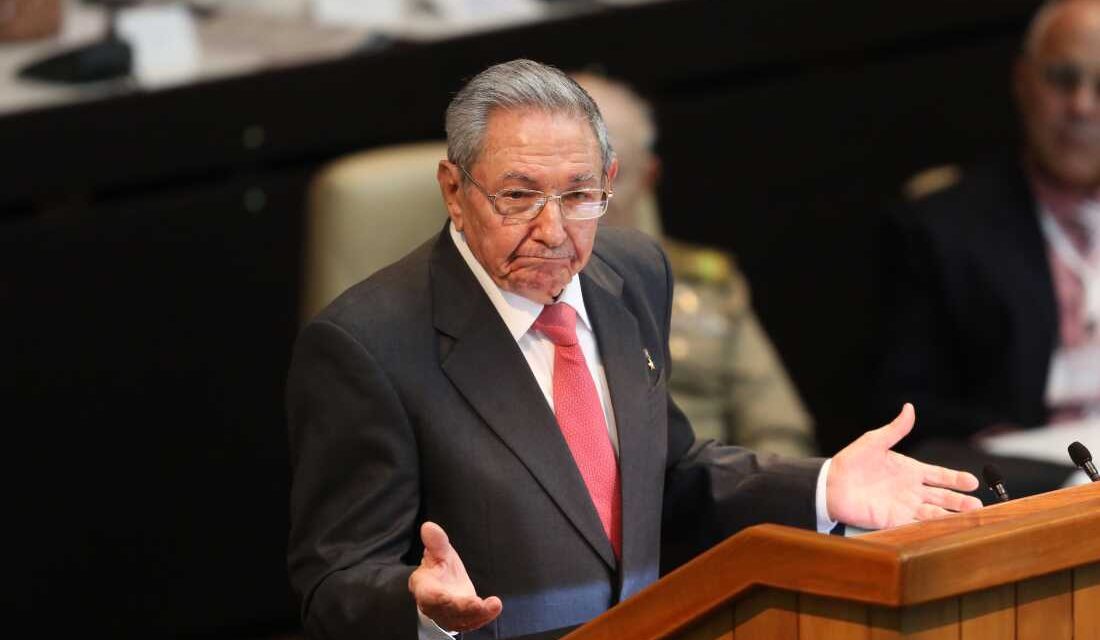
The U.S. Department of Justice has filed an indictment against Raúl Castro, Cuba’s former president, now 94, for an attack on a humanitarian group over 30 years ago. Acting Attorney General Todd Blanche announced the charges, which include conspiracy to kill U.S. citizens, aircraft destruction, and four murder counts, at Miami’s Freedom Tower. This site symbolizes a haven for Cubans fleeing the Castro regime to Florida.
Others accused in the case include former Cuban leadership and military members: Lorenzo Alberto Perez-Perez, Emilio José Palacio Blanco, José Fidel Gual Barzaga, Raul Simanca Cardenas, and Luis Raul Gonzalez-Pardo Rodriguez. A Miami grand jury brought the indictment on April 23, and the government revealed it on Cuban Independence Day, marking the end of U.S. occupation in 1902.
The DOJ alleges Castro played a key role in the 1996 downing of two U.S. planes, resulting in the deaths of four individuals, including three Americans. The victims—Carlos Costa, Armando Alejandre Jr., Mario de la Peña, and Pablo Morales—were part of Brothers to the Rescue, a group spotting Cuban migrants escaping to the U.S. The indictment accuses Perez-Perez of being the fighter pilot who shot the planes down.
This attack sparked outcry among Cuban-Americans and spurred Congress to solidify the U.S. embargo against Cuba, resulting in lasting sanctions. Blanche emphasized that the indictment sends a message worldwide: killing Americans triggers relentless pursuit, irrespective of titles or time elapsed.
In a social media response, Cuban President Miguel Díaz-Canel dismissed the indictment as a political maneuver by the U.S., lacking legal basis. He accused the U.S. of misrepresenting the events and labeled Brothers to the Rescue as a “narco-terrorist” group.
The U.S. has issued an arrest warrant for Castro. However, Blanche withheld specifics on extradition plans or operational tactics, stating only that Castro is expected to appear, willingly or otherwise, to face justice.
Indictment Tied to U.S.-Cuba Relations
Castro’s indictment coincides with potential U.S.-Cuba dialogue revival. CIA Director John Ratcliffe met Cuban officials, including Castro’s grandson, during a May 14 visit to the island. This rare U.S. action against a former foreign head of state aligns with the broader Trump administration effort to pressure Cuba, including tightening sanctions on countries sending fuel to the island, exacerbating blackouts and its economic crisis.
Ratcliffe’s talks involved Cuban intelligence leaders, addressing topics like intelligence cooperation, economic stability, and security. The meeting marked the most significant U.S.-Cuban diplomatic encounter since the fuel blockade, contributing to Cuba’s enduring economic woes by affecting air travel, food production, and hospital and school operations. Recent power grid failures have led to extensive blackouts in Havana and beyond.
Details of the DOJ Indictment
The indictment contends that on February 24, 1996, following orders from Raúl and Fidel Castro, the Cuban Air Force shot down two Brothers to the Rescue planes, killing four men. Initially, Cuba justified the action, claiming the planes threatened its government and that the organization involved anti-Cuba terrorists. While Cuba asserted the planes were in its airspace, the International Civil Aviation Organization found they were downed in international airspace.
Díaz-Canel defended Cuba’s action as “legitimate self-defense” and praised Castro as a cherished “hero.” Victims’ families have long sought justice, and previously, only the pilots were indicted, not the Castro brothers. Prior to the attack, Brothers to the Rescue frequently flew over Cuba, inciting leaders by distributing UN human rights declarations that landed in Cuba, energizing anti-Castro groups.
According to the indictment, Miami-based Cuban government spies had infiltrated Brothers to the Rescue, providing Cuban authorities with advance notice of flights. The Cuban military subsequently rehearsed counteractions with fighter pilots. The DOJ alleges Raúl Castro authorized using deadly force against the planes; however, a third plane managed to evade the attack and return to Miami.
Cuban-American Congress members, led by Rep. Mario Diaz-Balart, urged the Trump administration to pursue an indictment against Castro. Despite his resignation from Cuba’s Communist Party leadership in 2021, Raúl Castro remains a notable political figure, occasionally appearing in public.
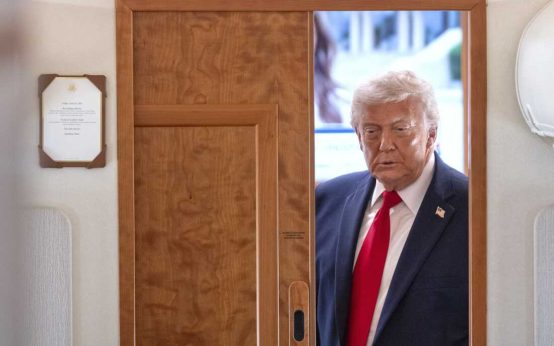 Trump Comments on US-Iran Conflict Amid Military Strikes
 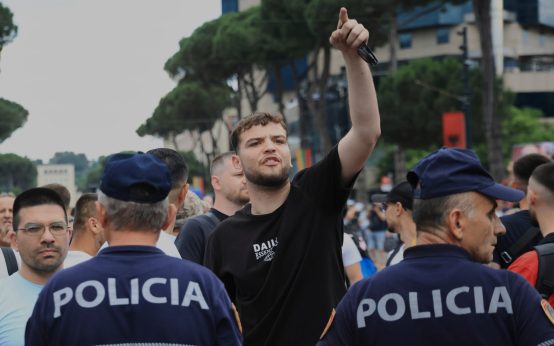 Protests Erupt in Albania Over Resort Development
 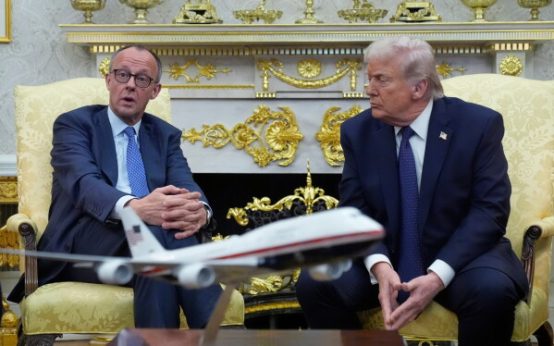 Clarity Sought on U.S. Troop Levels in Europe Amid Policy Changes
  U.S. Military Awaits Pentagon’s Clarification on Troop Levels in Europe
  Potential Ebola Outbreak in Central Africa Raises Concerns of Rapid Spread
  U.S. and Allies Condemn Efforts to Overthrow Bolivian Government