Alaskan telecommunications companies receive substantial federal subsidies, yet the state lags behind in internet speed. Despite billions in funding, Alaska ranks last in internet speed, raising concerns about the effectiveness of these subsidies.
Questionable Allocations
The federal government provides $350,000 annually to a telecom company offering services to 80 residents on an island, highlighting overspending. The owner of another company operated operations from prison, yet receives $1 million annually, despite better consumer options. These issues reflect potential flaws within the subsidy program.
Shoffstall’s Unorthodox Operation
At the beginning of his three-year federal prison sentence for felony tax evasion, Roger Shoffstall lost his telephone privileges when a guard caught him running his small Alaska phone company from behind bars.
Roger Shoffstall, a controversial figure, continues to receive federal subsidies for his company, Summit Telephone, despite past legal troubles. These subsidies aim to provide affordable communications in remote areas. Customers indirectly contribute through a surcharge on their phone bills.
High Costs and Slow Connections
Alaska has received $4.6 billion in subsidies since 2016, or about $600 per resident annually. Yet, many parts of Alaska remain unwired, and statewide average internet speeds are the slowest in the U.S. Customers pay high fees for services far below broadband quality, questioning subsidy effectiveness.
Legacy Systems and Alternatives
Despite subsidies, companies like Summit maintain outdated infrastructures, negatively impacting service quality. Meanwhile, Starlink offers faster satellite internet at competitive prices, although consumers must pay sign-up fees. These options shift consumer preference away from subsidized services.
Program Regulation Issues
Subsidies to Reduce Rural Costs
According to FCC records, the federal program does not ensure built networks are used, focusing only on network installation completion. This results in continued funding for outdated infrastructure or ghost towns.
Summit Telephone Example
Summit Telephone has received $12 million over a decade to connect locations near Fairbanks. The actual user base remains low, and Summit’s internet speed is limited compared to newer satellite services.
Controversial Politics
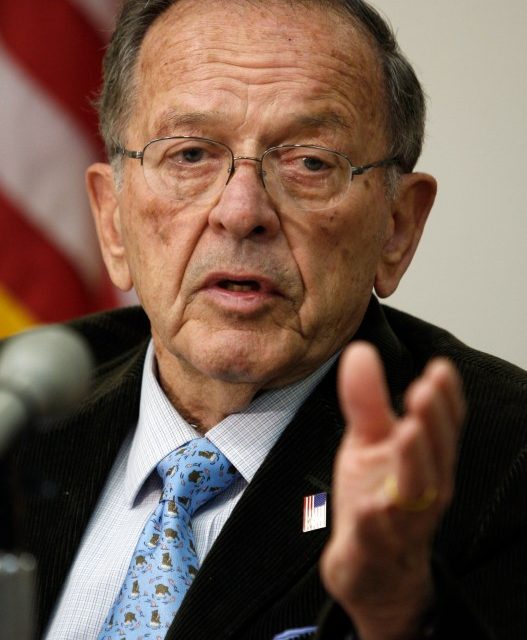
Alaskan telecom companies benefited from political support. Sen. Ted Stevens, dubbed “Uncle Ted,” ensured favorable treatment for Alaska by overseeing FCC budgets. Federal programs attributed Alaska’s high subsidy share to geographical challenges.
Evaluation and Suggested Reforms
Legal advisors advocate for reforming the subsidy program, favoring direct consumer allocation to ensure funds benefit intended users. Given Alaska’s current situation, new strategies may improve connectivity and spending efficiency.
 Largest Seizure of Illegal Cockroaches in Australia
  New Threat to U.S. Cattle Industry: The Screwworm Infestation
  Military Training Exercises Cause Stir in California Cities
  Manhunt Underway After Reported Shooting in Lansing, Illinois
  New World Screwworm Fly Returns to Texas, Poses Threat to Cattle Industry
  DOJ Investigates Arizona State University’s DEI Practices