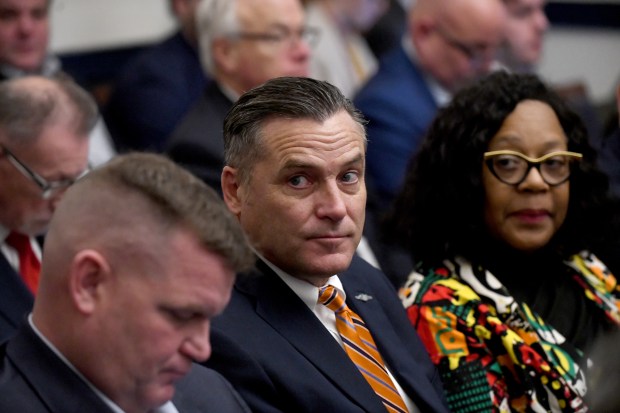
Jim Tinaglia, the mayor of Arlington Heights, is leading the effort to bring a Chicago Bears stadium to his town. In his role as an architect, Tinaglia expressed doubts about building on a proposed site in Hammond, Indiana, highlighting potential contamination issues. ‘I would throw up the red caution flags immediately,’ he remarked in an interview with the Tribune, citing previous experiences with hazardous materials at similar locations.
Residents near Wolf Lake in Hammond previously advocated for cleaning up the area. This resulted in a golf course constructed on waste capped with bio-solids. The nearby vicinity includes hazardous waste sites, an oil storage facility, and the Midwest’s largest oil refinery. Despite feeling comfortable with the site’s condition, Bears officials continue soil testing.
Environmental concerns have largely been absent from legislative discussions regarding the stadium’s location. Indiana passed funding legislation for a $3 billion enclosed stadium in Hammond. The site boasts proximity to Chicago, located about 30 minutes away from downtown. Illinois lawmakers may soon vote on allowing the Bears to negotiate property tax agreements with local authorities. They also aim to secure state funding for infrastructure at the former Arlington International Racecourse site.
Environmental groups have remained mostly silent about Hammond’s project. Association for the Wolf Lake Initiative’s leader Michael Boos previously expressed apprehension about potential impacts on the lake. ‘The Bears would make things a little overwhelming,’ Boos noted in prior discussions.
Hammond Mayor Thomas McDermott Jr. defended the site, viewing it as a testament to environmental recovery efforts. He acknowledged the cleanup history and claimed northwest Indiana has changed significantly since the closure of the State Line Generating coal plant. McDermott insisted that the Bears possess extensive environmental knowledge of the area.
Though the EPA is addressing hazardous waste sites nearby, including remnants of lead and arsenic contamination from the former Federated Metals smelting facility, efforts continue to clean up the Grand Calumet River, an area heavily affected by industrial pollutants. The agency, with local partners, recently announced a $200 million agreement to remove contaminated sediment across several canals and rivers.
Attendees at an EPA-hosted public hearing learned about ongoing cleanup plans. McDermott emphasized the recreational activities at Wolf Lake and assured there are no direct adjacent hazards to the Bears’ site.
Illinois Governor JB Pritzker anticipates the General Assembly will approve legislation to promote the Bears stadium in Arlington Heights by the end of the spring legislative session.
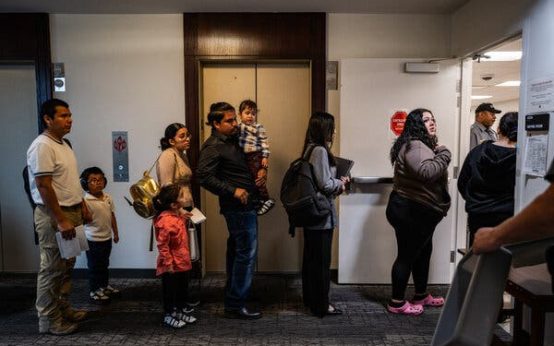 Judge Overturns Trump-Era Immigration Policies
 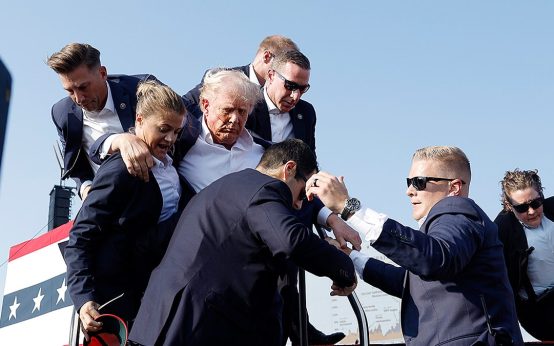 Lawsuits Against Federal Government Following Pennsylvania Rally Shooting
  Limited Interest in Arctic National Wildlife Refuge Oil Auction
 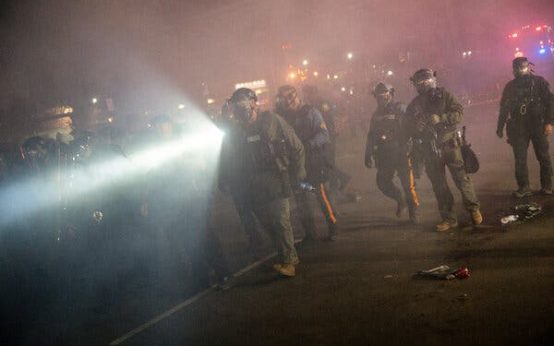 New Jersey Struggles with Protests Near Immigration Detention Center
 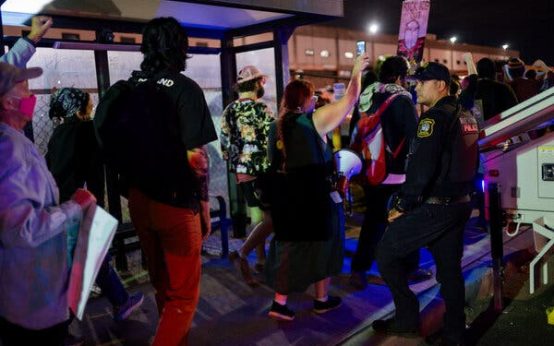 Newark Scales Back Police Presence at Detention Center Protests
  Investigation into Bus Company’s Network and Safety Violations