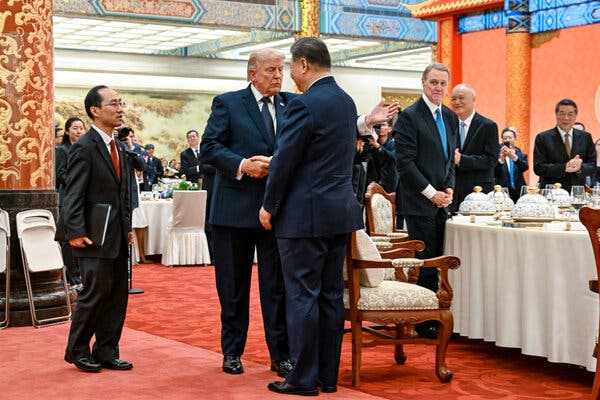
President Trump’s decision to delay a $14 billion arms package for Taiwan is seen as a victory for Beijing. This move allows China to explore prolonging the suspension of weapons deliveries.
Trump’s Meeting with Xi Jinping
During a recent summit in Beijing, President Trump suggested using U.S. arms sales to Taiwan as leverage in negotiations with China. This presents an opportunity for China’s leader, Xi Jinping, to weaken Taiwan’s government.
Following President Trump’s remarks, China’s state media aimed to convey a message to both its domestic audience and Taiwan: the United States may not be a reliable ally in defending Taiwan, an island democracy claimed by Beijing.
Reactions from Taiwan and China
Taiwan’s President, Lai Ching-te, and his Democratic Progressive Party have frequently been subjected to China’s criticisms. According to the Chinese newspaper, the Global Times, Taiwan can no longer depend on “unconditional indulgence” from the U.S.
Col. Jiang Bin, spokesperson for China’s Ministry of National Defense, stated, “Security cannot be bought with military purchases; if you become a pawn, you will only be squeezed dry,” highlighting the risks Taiwan faces.
Trump’s Strategy
President Trump’s comments, made public after his departure from the summit with Xi, point to holding the decision on Taiwan’s arms package “in abeyance,” describing it as a “very good negotiating chip” with China. It remains unclear what actions President Trump expects from China in exchange for releasing the arms package.
 California’s Primary Election: Highlights and Insights
  President Trump’s Attendance at NBA Finals Game Sparks Reactions
 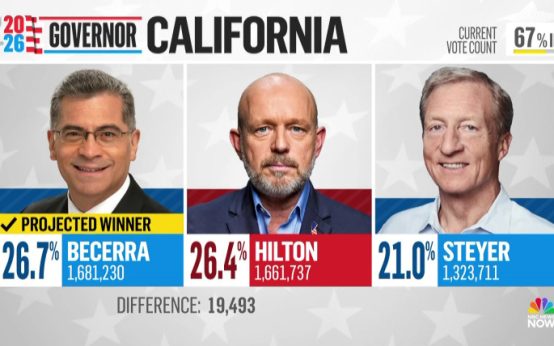 Investigations Launched Amid California Election Fraud Claims
  Khanna Urges Apology from Maine Senate Candidate Over Misconduct Allegations
 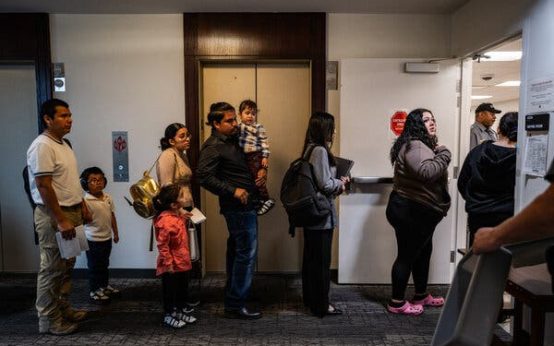 Judge Overturns Trump-Era Immigration Policies
 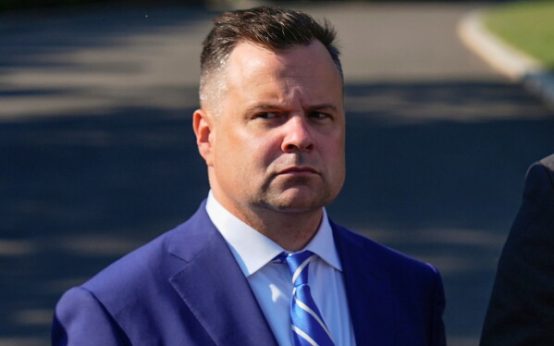 Trump Aims to Reduce National Intelligence Office Size