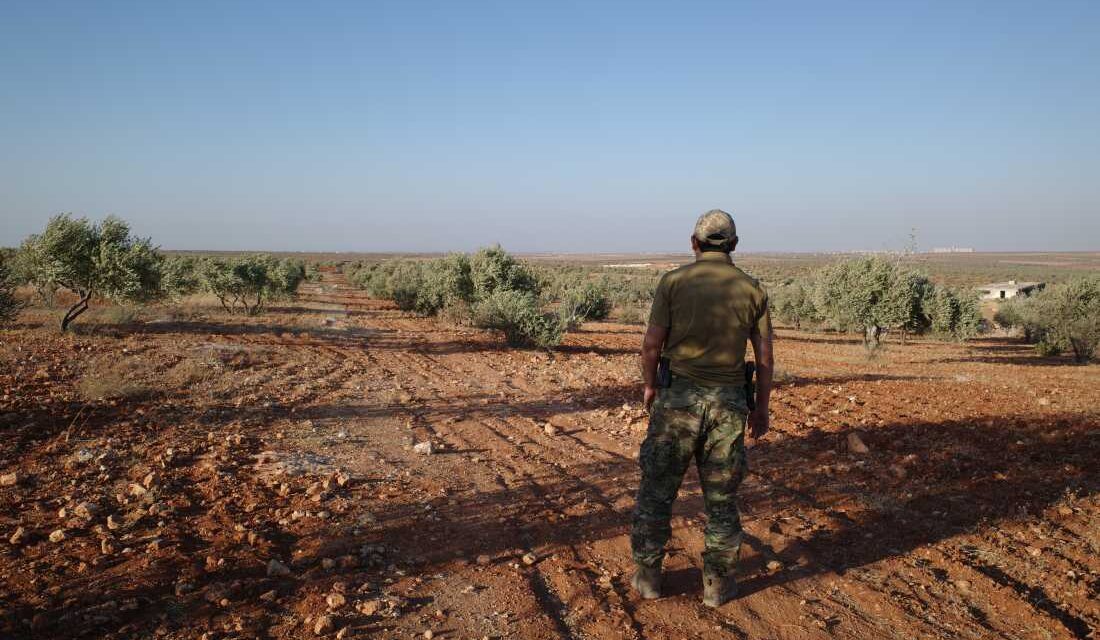
A senior Uyghur militant stands in an olive grove in northern Syria, where commanders claim their fighters initiated a successful assault on Syrian forces in November 2024.
A Bold Strategic Plan
In the cover of night, an elite group of fighters staged an ambush against Syrian government troops, aiming to sever supply lines that supported Aleppo, a city under regime control. The Uyghur fighters, a persecuted ethnic minority from China, clandestinely prepared an old water tunnel for their mission. They collaborated with Ahmed al-Sharaa, then a rebel leader, to plan an assault to liberate Aleppo from regime control.
In this assault, the Uyghurs made use of a poorly ventilated tunnel, surprising regime troops, while other forces attacked from the front. This tactic resulted in chaos amongst government forces, allowing other rebels to retake Aleppo.
Successful Operation and its Aftermath
The Uyghur forces, led by commander Hobayd, achieved a strategic victory. Aleppo fell, and soon after, Syrian dictator Bashar al-Assad fled to Russia. The victory at Aleppo paved the way for a swift move towards Damascus.
Uyghurs became instrumental in the civil war, earning respect as disciplined fighters. Their contribution fortified Sharaa’s power, aiding in the overthrow of Assad’s regime.
Position and Power Dynamics
Despite their significant role, the Uyghurs’ position remains uncertain. While some were integrated into Syria’s national army and even considered for citizenship, concerns persist. Syrian Arabs harbor skepticism towards foreign fighters, and China pressures Syria to expel Uyghurs.
Beijing has aggressively labeled Uyghur militants as terrorists, accusing them of attacks within China. Uyghur fighters in Syria, however, assert their commitment to preserving their culture amid long-standing conflict.
A History of Struggle
Uyghurs have faced severe repression in China, including detentions in ‘reeducation camps’ in Xinjiang. Many fled to Syria, compelled by their animosity toward the Chinese government. They also hoped for a future where they could reclaim Xinjiang.
The fighters’ resistance against overwhelming odds in Syria provides insights into their broader struggle. They continue to resist oppression, their history deeply rooted in defending identity and rights.
Challenges and Future Aspirations
Integrating into the reconstituted Syrian National Army presents opportunities yet substantial risks for the Uyghurs. Their future is poised between fears of repatriation and ambitions of establishing new roots in Syria. Issues of territorial occupation and conservative beliefs influence local dynamics, fostering friction with resident communities.
Uyghur fighters maintain faith in eventual liberation and disintegration of oppressive regimes. While Syria becomes a new home, aspirations of returning to Xinjiang remain potent among these resilient fighters.
 Protests Erupt in Albania Over Resort Development
  Clarity Sought on U.S. Troop Levels in Europe Amid Policy Changes
  U.S. Military Awaits Pentagon’s Clarification on Troop Levels in Europe
  Potential Ebola Outbreak in Central Africa Raises Concerns of Rapid Spread
  U.S. and Allies Condemn Efforts to Overthrow Bolivian Government
  Pamela Hicks: Cousin, Bridesmaid, and Witness to History