
Bulgaria has recently witnessed significant developments that mark its emergence as a key player in Europe. The country not only celebrated a historic win at the Eurovision Song Contest but also adopted the euro currency amidst significant political changes.
Dara, a 27-year-old singer representing Bulgaria, clinched the Eurovision title, a first for the nation. This triumph is seen as emblematic of Bulgaria’s strengthening position in European cultural arenas. Prime Minister Rumen Radev, who took office this month, described this achievement as a ‘Bulgarian victory with global resonance.’
This victory follows a series of profound changes within the country. After joining the European Union in 2007, Bulgaria often remained at the fringes of the bloc. However, its recent entry into the Schengen free travel area in 2025 was a milestone hailed by European leaders. More recently, strong public protests, largely driven by young citizens, led to the resignation of the previous prime minister due to widespread corruption issues.
Bulgaria’s recent reforms and accomplishments signify its readiness to participate more actively on the European stage. With the Eurovision win, Bulgaria now faces the task of hosting the song contest in 2027, a significant event that coincides with the 20th anniversary of its EU membership.
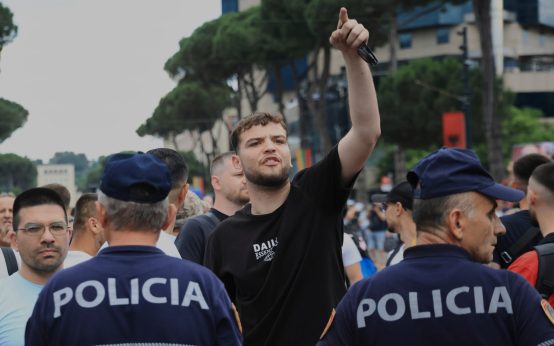 Protests Erupt in Albania Over Resort Development
 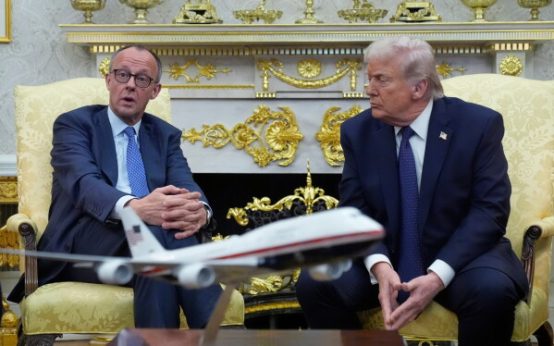 Clarity Sought on U.S. Troop Levels in Europe Amid Policy Changes
 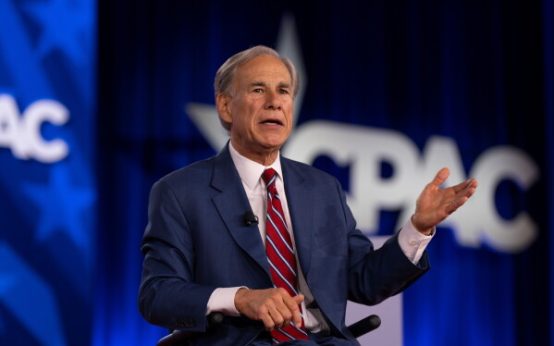 U.S. Military Awaits Pentagon’s Clarification on Troop Levels in Europe
 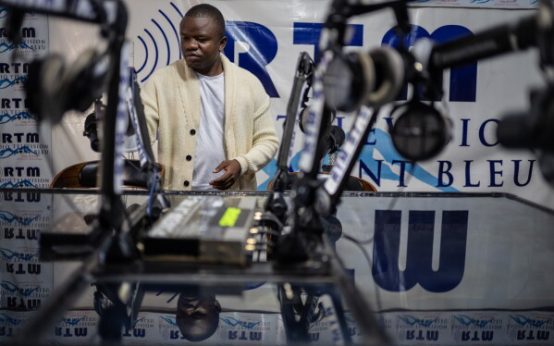 Potential Ebola Outbreak in Central Africa Raises Concerns of Rapid Spread
 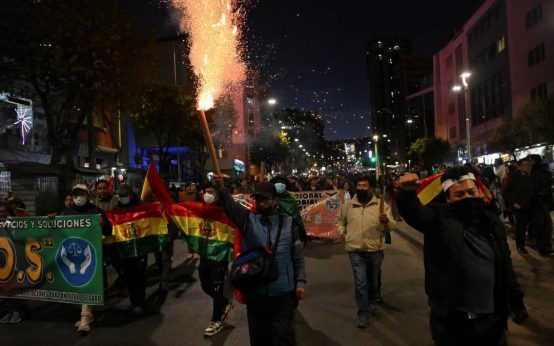 U.S. and Allies Condemn Efforts to Overthrow Bolivian Government
 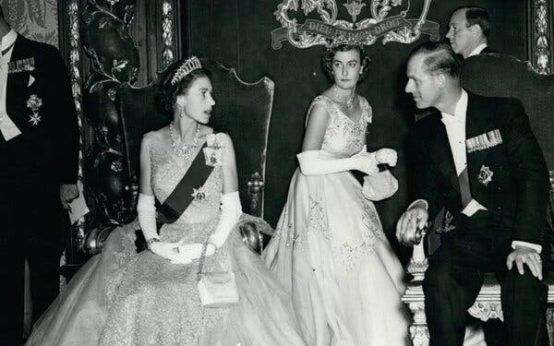 Pamela Hicks: Cousin, Bridesmaid, and Witness to History