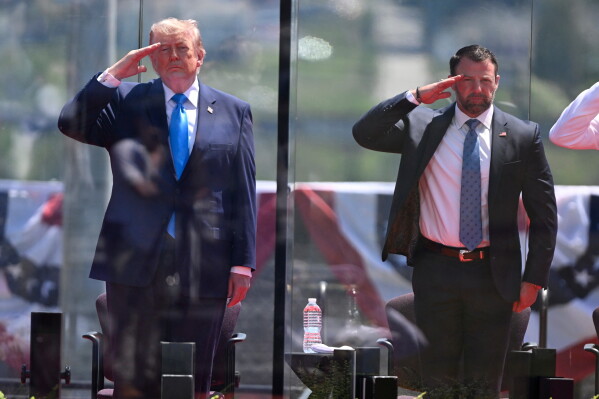
The US government’s approach to Cuba mirrors actions taken in Venezuela, involving a petroleum blockade and increased military presence. However, experts caution that similar pressure tactics do not guarantee identical outcomes, even as President Donald Trump frequently warns that ‘Cuba is next.’
Brian Finucane, a senior advisor at the International Crisis Group and former State Department lawyer, highlights these differences. He notes that while Trump saw Venezuela’s intervention as a success, Cuba poses distinct challenges. Unlike Venezuela, no clear successor is ready to work with Trump’s administration if Cuba’s government falls.
Officials, speaking anonymously, assert, ‘There is no Delcy in Cuba.’
US forces in the Caribbean appear less intimidating compared to the massive deployment near Venezuela’s coast before Maduro’s capture, further noted by Finucane. Additionally, charging a 94-year-old former Cuban leader like Raúl Castro impacts less than indicting a sitting president for narcotics-related offenses, as was done in Venezuela’s case.
US Military Threats:
Trump laid groundwork for interventions with escalating threats in Venezuela, hinting at similar actions in Cuba. Before capturing Maduro, Trump issued stark warnings. He threatened Caribbean leaders to align or face US might, stating days before Maduro’s capture, ‘If he makes a move, it’ll be his last.’
Post-Maduro, Trump’s focus shifted to Cuba, calling it next on the list. In early January, he told reporters, ‘Cuba’s ready to fall,’ threatening tariffs on countries providing oil to Cuba and expressing interest in taking control.
Trump reiterated Cuba is a ‘failed country,’ claiming, ‘Others watched for decades, but I might be the one to act.’
US Oil Embargos:
US oil embargos aim to pressure governing elites. In Venezuela, the focus shifted to controlling oil exports post-Maduro, affecting countries like Cuba. Venezuelan crude now heads to US refineries as part of the strategy.
In contrast, Cuba faces import restrictions. The longstanding US embargo hampers the Cuban government’s ability to provide energy and fuels. Finucane warns such pressures risk a refugee crisis reminiscent of the 1990s as Cubans might sail to Florida out of desperation.
US Legal Actions:
The US Department of Justice charged Maduro with narco-terrorism to justify his capture, altering US-Venezuela relations. This allowed previously sanctioned Venezuelan oil sales, marking a significant policy shift, opening US markets to Venezuelan oil again.
The indictment against Castro, tied to 1996 events, escalates Trump’s pressure campaign, shared by William LeoGrande from American University. Although Castro retains influence, capturing him on charges won’t shift Cuba’s governance.
US Military Presence in the Region:
Before Maduro’s capture, the US deployed its largest military force in Latin America in decades. This included the advanced carrier USS Gerald R. Ford from Europe and amphibious ships carrying 2,000 Marines.
The US continues targeting suspected drug smuggling in Caribbean waters. Combat aircraft patrol Venezuela, while 150 aircraft support this strategic endeavor.
Currently, US forces in the Caribbean are smaller but include amphibious ships with Marines. The USS Nimitz’s arrival coincided with Castro’s indictment, though it’s participating in routine exercises as it’s decommissioned soon.
Finucane doubts a ‘blitz attack’ will yield the same result in Cuba as in Venezuela, given the differing situations.
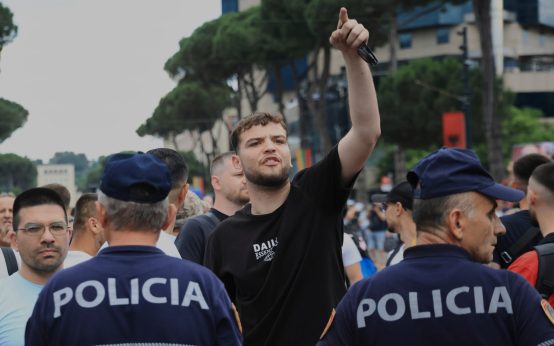 Protests Erupt in Albania Over Resort Development
 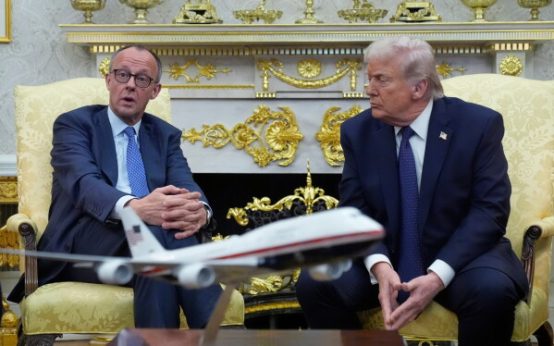 Clarity Sought on U.S. Troop Levels in Europe Amid Policy Changes
 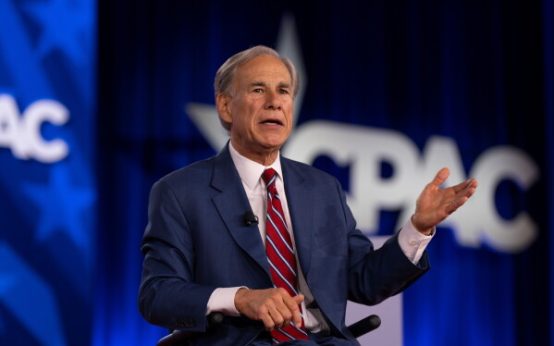 U.S. Military Awaits Pentagon’s Clarification on Troop Levels in Europe
  Potential Ebola Outbreak in Central Africa Raises Concerns of Rapid Spread
  U.S. and Allies Condemn Efforts to Overthrow Bolivian Government
  Pamela Hicks: Cousin, Bridesmaid, and Witness to History