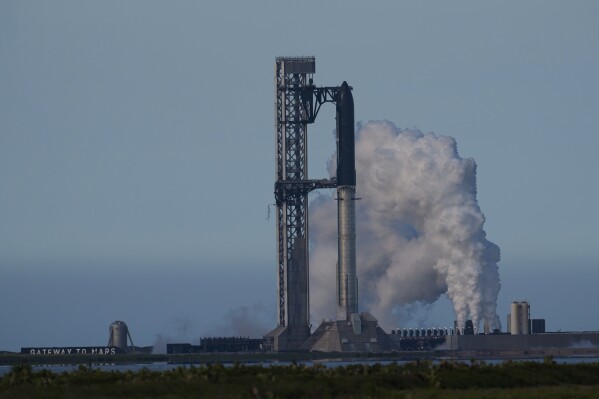
SpaceX launched its largest and most powerful Starship on a test flight, aiming for future moon missions. This upgraded mega rocket is crucial for NASA’s plan to land astronauts on the moon. The Starship took off from Texas, carrying 20 mock Starlink satellites, which were released during its flight. Despite engine troubles, the spacecraft successfully reached the Indian Ocean before exploding on impact. SpaceX expected this outcome.
Elon Musk, SpaceX CEO, praised the launch and landing, calling it “an epic” event. He encouraged his team by saying they “scored a goal for humanity.” This marks the 12th test flight for the Starship, which Musk plans to use for Mars missions. However, the moon is the current focus with NASA’s Artemis program.
NASA Administrator Jared Isaacman attended the launch and stated that Starship has moved closer to achieving lunar landing goals. The older Starship models last flew in October, while the newest third-generation Starship, dubbed V3, launched from a new pad at Starbase near the Mexican border.
SpaceX aimed to avoid the mid-air explosions experienced in previous launches. While this mission faced engine issues, it maintained its path and reached 120 miles (194 kilometers) altitude. Two modified Starlink satellites offered brief visual insights during the flight.
The latest Starship model measures 407 feet (124 meters), surpassing previous versions. It features upgraded components such as larger grid fins for steering, more robust fuel transfer lines to supply its main engines, and added cameras and navigation systems. These improvements align with future docking and lunar mission plans.
The Starship concept focuses on full reusability, with mechanical arms at launch pads designed to catch returning rocket stages. However, this test flight did not involve recovery attempts. The first-stage booster ended in the Gulf of Mexico, and the spacecraft, along with its satellite demos, concluded in the Indian Ocean.
NASA is investing billions in SpaceX and Jeff Bezos’ Blue Origin to develop lunar landers for the Artemis program. Both companies strive to be the first to reach operational readiness. While Starship has achieved brief space flights, Blue Moon prepares its prototype for an upcoming moon attempt.
NASA’s recent lunar orbit success sets the stage for more trials next year. The Artemis III mission will involve docking practice using the Orion capsule with Starship, Blue Moon, or both, eventually leading to a lunar landing by 2028. This mission aims to establish a moon base near the lunar south pole.
SpaceX has begun accepting reservations for private moon and Mars flights on Starship. Dennis Tito, a Californian businessman and space tourist, signed up for a moon flight. His mission’s schedule remains uncertain.
Chinese-born Bitcoin investor Chun Wang announced participation in Starship’s first Mars mission. Wang previously completed a polar orbit flight and plans to take part in further ambitious missions. Details regarding the Mars mission’s cost and timeline were not disclosed.
SpaceX’s progress toward achieving lunar and Martian missions shows promise, with potential plans in place for private and exploratory flights.
 Blue Origin Recovers from New Glenn Rocket Explosion
 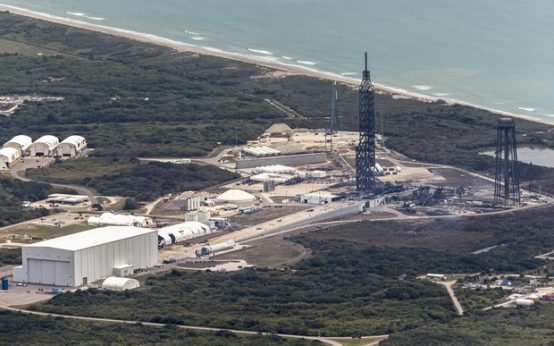 Blue Origin’s Resilient Recovery Post-Explosion
 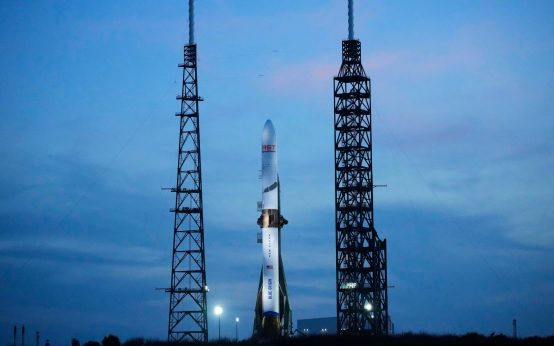 Blue Origin Rocket Explosion Raises Concerns
  NASA’s Lunar Rover Developments and Future Moon Base Plans
  Setback for Blue Origin and Amazon After Rocket Explosion
 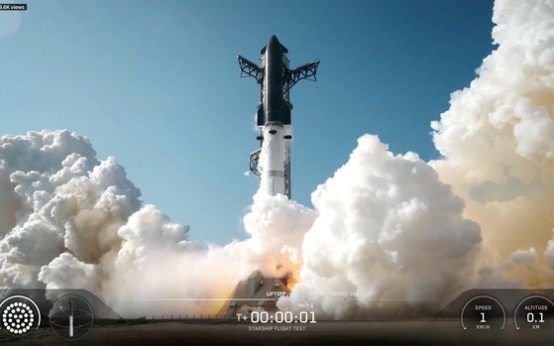 SpaceX’s Revamped Super Heavy-Starship Completes Test Launch