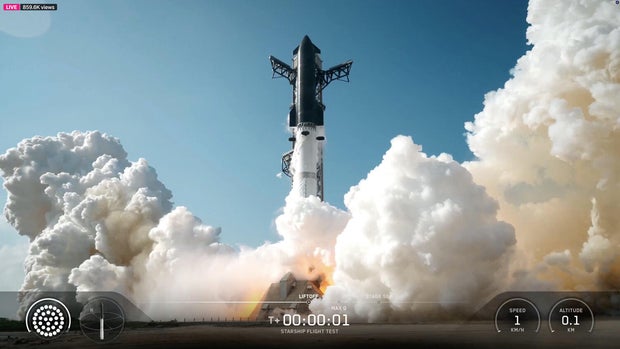
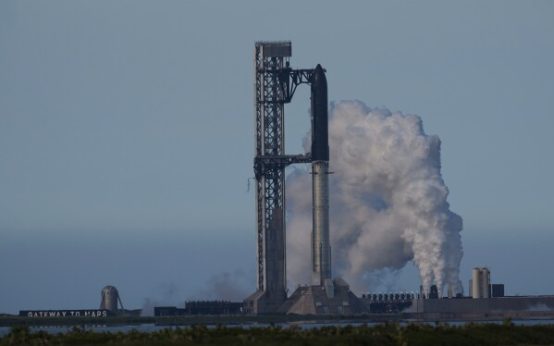
SpaceX launched an upgraded Super Heavy-Starship rocket on Friday, aiming to evaluate enhanced components and operational efficiencies. The mission tested more powerful engines and advanced control systems, with improvements intended to boost safety and reliability.
Despite challenges, including an engine shutdown during the ascent, and other engines failing to operate correctly during the booster’s return attempt, the flight advanced SpaceX’s efforts. The launch originated from a new pad at the company’s Starbase facility on Texas’s Gulf Coast.
The upper stage featured six refined Raptor engines, though one engine designed for vacuum conditions shut down prematurely. The flight computer compensated by extending operation of the remaining engines, ensuring the craft stayed on a suitable sub-orbital path.
“Congratulations to SpaceX on an epic first Starship V3 launch & landing! You scored a goal for humanity.” – Elon Musk via X
Once in space, the Starship successfully deployed 22 Starlink satellite simulators, with two equipped with cameras. These will aid in assessing the health of the Starship’s heat shield on future missions, aiming to enhance operational readiness.
The successful deployment, despite a missed Raptor restart, indicated SpaceX’s progress in ensuring the rocket’s reusability. The Starship endured harsh re-entry conditions, with minimal thermal damage indicating advancements over previous flights.
Musk envisions the expansive rocket launching numerous Starlink satellites, government, and commercial payloads, along with potential missions to the moon and Mars. The recent test marks a step in improving its operability with rigorous testing planned.
NASA benefits from these advancements, relying on SpaceX to develop the Starship upper stage for the Artemis program. Scheduled to begin moon landings by 2028, these flights are crucial for NASA’s plans for lunar exploration.
SpaceX’s introduction of version 3 permits a shift from sub-orbital tests to orbital missions. This is vital for achieving planned moon missions and eventual Mars expeditions. Autonomous refueling tests in Earth orbit are anticipated by year-end, with the new setup conducive to such operations.
 Blue Origin Recovers from New Glenn Rocket Explosion
 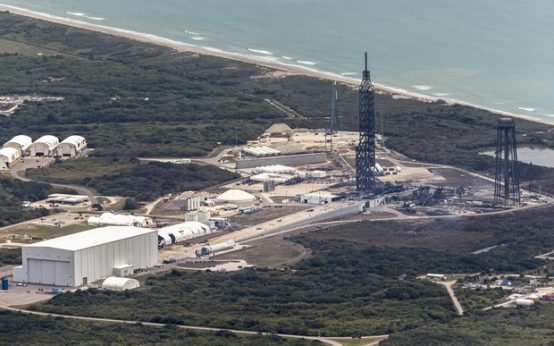 Blue Origin’s Resilient Recovery Post-Explosion
 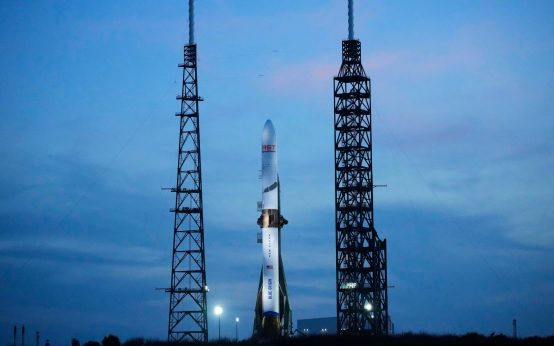 Blue Origin Rocket Explosion Raises Concerns
  NASA’s Lunar Rover Developments and Future Moon Base Plans
  Setback for Blue Origin and Amazon After Rocket Explosion
  SpaceX’s Latest Starship Test: A Step Forward for Lunar Missions