In Arachova, Greece, the memories of being snowed in as a child are fading for Giannis Stathas, now the mayor. Once known for its deep snow, the village is experiencing far less snow than it did in the past. Stathas recalls times when they couldn’t attend school for days due to snowfall.
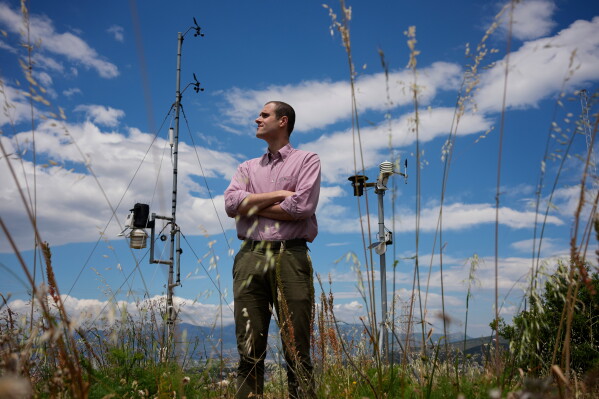
New research from the University of Cambridge’s Scott Polar Research Institute supports the mayor’s experiences. Konstantis Alexopoulos, a snow hydrologist, conducted a study that examined snow cover across Greece’s mountains using 40 years of NASA and European Space Agency satellite data. His findings reveal a significant decline in snow cover since the mid-1980s.
“We’ve lost more than half of the snow cover,” said Alexopoulos.
The snow acts as a crucial natural water reservoir, similar to a savings account. It provides water during dry periods, especially important in Mediterranean climates where summer rainfall is scarce. The reduction in snow cover, driven by rising temperatures and greenhouse gas emissions, threatens this water supply system.
Alexopoulos noted that the current rate of climate change is unprecedented. While other mountain ranges like the Andes and Himalayas experience declines, the Greek mountains are seeing a unique rapid loss.
Challenges in studying Greek mountains include remote access and difficulties in maintaining weather stations. Traditionally, the importance of snow for water resources in Greece was underestimated. As droughts become more apparent, understanding the role of snow is gaining urgency.
In Arachova, the impact of reduced snow is already evident. Local supply of water from snowmelt is dwindling. Aktida Koritou, a restaurant owner, highlights growing awareness among locals about conserving water, particularly during critical summer months.
Stathas mentions that the issue starts in late August and can continue until October. Occasional late snowfalls like the one in April offer limited relief. Authorities are exploring solutions like small dams and snow retention measures at the ski center to adjust to less snow.
The decreased snowfall also elevates fire risks. Dry vegetation and drought increase the likelihood of fires, a concern that was not present in the past.
The ski-based economy in Arachova is adapting too. Koritou recalls when the ski season began in December. Now, it starts in January. This change affects business, compelling the municipality to explore tourism beyond winter sports. Arachova is promoted as a summer destination, but maintaining tourism requires adequate water resources.
Residents remember past winters vividly. Activities like grape harvesting before snowfall and community efforts to clear roads are part of their shared history. Koritou acknowledges the nostalgia for snow-filled winters and the disappointment over their absence today.
 Limited Interest in Arctic National Wildlife Refuge Oil Auction
  Confronting the Truth Behind Sustainability Buzzwords in the Food Industry
  The Aftermath of Santa Rosa Island’s Fire
  Largest Seizure of Illegal Cockroaches in Australia
  Flesh-Eating Fly Returns to the United States Causing Concern
  Australia’s Largest Seizure of Exotic Invertebrates: Over 100,000 Cockroaches Confiscated