
The Current Situation
The United States and Iran have reached a tentative deal aimed at reopening the Strait of Hormuz, according to a U.S. official on Sunday. Despite this announcement, significant questions linger about when normal shipping operations might resume and when oil prices could decrease.
Expert Insight
Carl Weinberg, chief economist at High Frequency Economics, emphasized that no one knows exactly how events will unfold. He warned that oil prices are likely to remain high in the near future.
Importance of the Strait
Before the conflict began on February 28, approximately 20% of the world’s oil and natural gas transited through the strait. The closure since then has considerably impacted these flows. Although a deal is in sight, the exact terms remain undefined, particularly regarding Iran’s control over the strait and any potential transit fees.
Iran’s Position
A military advisor to Iran’s supreme leader stated that Iran possesses a legal right to manage the strait, highlighting its intention to leverage this control to generate crucial funds.
Impact on Shipping
Between 1,500 and 2,000 ships are currently trapped in the Persian Gulf due to the conflict. Even if the strait is reopened, several factors will influence shipping. Key considerations include the stability of the peace agreement and the safety concerns of sending tankers through the narrow passage.
 Trump Comments on US-Iran Conflict Amid Military Strikes
  Protests Erupt in Albania Over Resort Development
 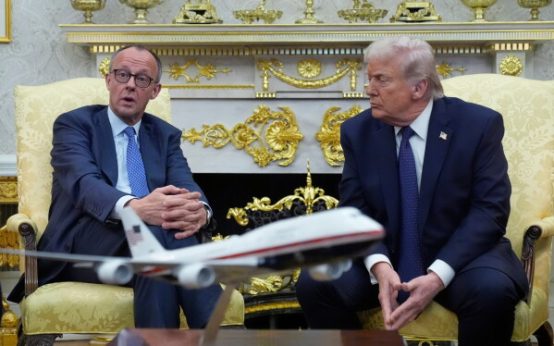 Clarity Sought on U.S. Troop Levels in Europe Amid Policy Changes
  U.S. Military Awaits Pentagon’s Clarification on Troop Levels in Europe
  Potential Ebola Outbreak in Central Africa Raises Concerns of Rapid Spread
  U.S. and Allies Condemn Efforts to Overthrow Bolivian Government