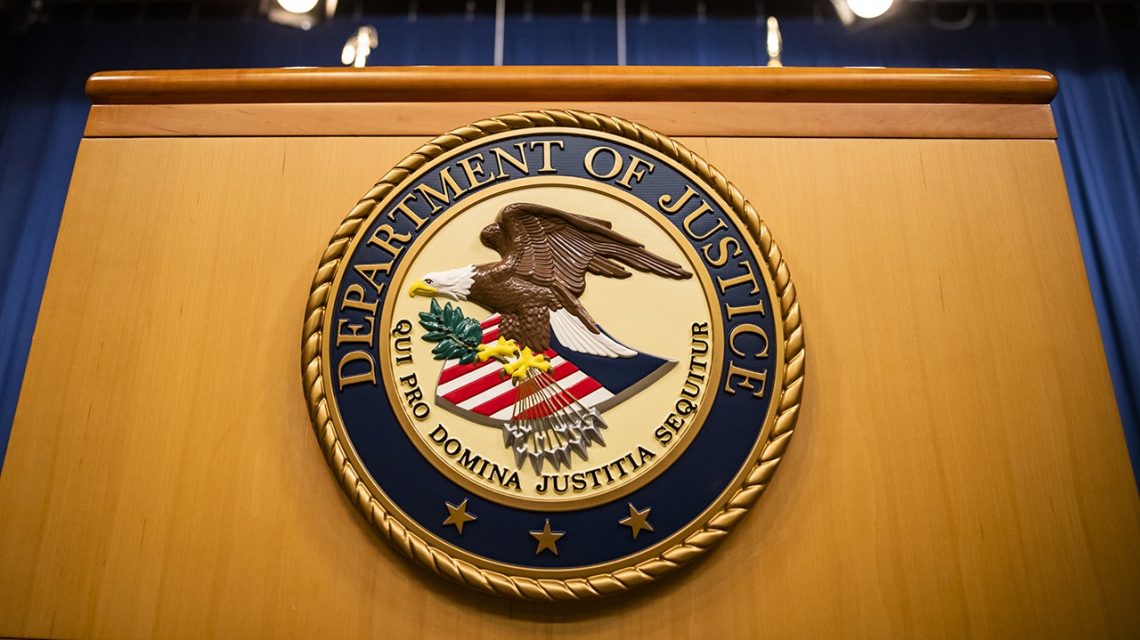
The U.S. Attorney General holds a critical position as the head of the Justice Department, functioning as the chief legal adviser to the President and leading federal law enforcement efforts nationwide. While states have their own attorneys general, including the District of Columbia, only the U.S. Attorney General is a member of the President’s Cabinet.
Several high-profile departments fall under the jurisdiction of the U.S. Attorney General, including the Federal Bureau of Investigation (FBI) and the Drug Enforcement Administration (DEA). The role requires oversight and coordination of complex legal and law enforcement activities to ensure the effective functioning of these organizations.
Pam Bondi, having served as Florida’s Attorney General, was selected to serve as U.S. Attorney General under President Donald Trump’s second administration. Her academic background includes a degree in criminal justice from the University of Florida followed by a law degree from Stetson University College of Law. Her experience as a prosecutor for nearly two decades paved the way for her historic election as Florida’s first female Attorney General in 2010.
State attorneys general address vital matters, such as civil rights, and environmental laws, and resolve conflicts between states. It is a role marked by significant responsibility and authority at the state level. Prominent state attorneys general include Karl Racine of the District of Columbia and Letitia James of New York, each recognized for their contributions in addressing state and regional legal concerns.
 California’s Primary Election: Highlights and Insights
  President Trump’s Attendance at NBA Finals Game Sparks Reactions
 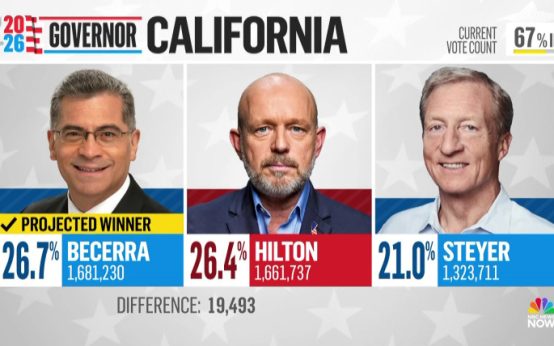 Investigations Launched Amid California Election Fraud Claims
  Khanna Urges Apology from Maine Senate Candidate Over Misconduct Allegations
  Judge Overturns Trump-Era Immigration Policies
  Trump Aims to Reduce National Intelligence Office Size