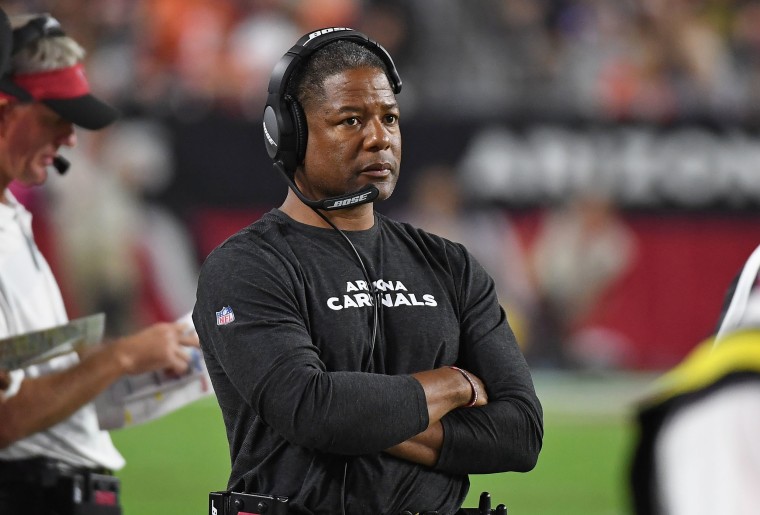
The Supreme Court has rejected an attempt by the NFL to shift racial discrimination claims made by a Black coach from federal court to arbitration controlled by the league. This decision arose from an appeal by the league and three teams, which was refused by the justices following a lower court’s decision. The lower court determined that the NFL could not compel Brian Flores, a former Miami Dolphins head coach now serving as the Minnesota Vikings defensive coordinator, to settle workplace bias claims through arbitration led by NFL Commissioner Roger Goodell.
The teams involved in the appeal were the New York Giants, Denver Broncos, and Houston Texans. Flores has claimed systemic discrimination against Black coaches within the NFL in his lawsuit filed in 2022. The suit argues that the league and various teams violated federal and state laws by discriminating against Black candidates for coaching and management positions. Flores initiated the lawsuit after being dismissed as the Miami Dolphins’ head coach despite the team having a winning record for two consecutive seasons.
During his career, Flores asserts he was subjected to “sham interviews” with the Giants and Broncos, purportedly conducted just to comply with the Rooney Rule. This rule, established by the NFL in 2003, mandates minority candidates be interviewed for coaching roles, addressing the historically low numbers of minorities in NFL head coaching positions. His lawsuit aims to enforce changes in the league, incentivize hiring Black coaches and general managers, and require written explanations for hiring and firing decisions.
Two more Black coaches, Steve Wilks, a former Arizona Cardinals head coach, and Ray Horton, a former NFL assistant coach, later joined Flores in the lawsuit. The NFL has denied allegations of racial discrimination, arguing for the dismissal of the case or its referral to arbitration. In 2023, a New York-based federal judge ruled the NFL and the involved teams must face Flores’ claims of systematic discrimination in a federal court, although certain elements could be moved to private arbitration.
The 2nd U.S. Circuit Court of Appeals later upheld this decision, agreeing that some of Flores’ claims warranted a federal court hearing. The court determined that allowing Goodell to have unilateral authority over arbitration was “plainly unenforceable.” They explained that it would deprive Flores of any meaningful arbitration process, branding the arrangement as an “agreement for arbitration in name only,” according to Judge Jose Cabranes of the 2nd Circuit.
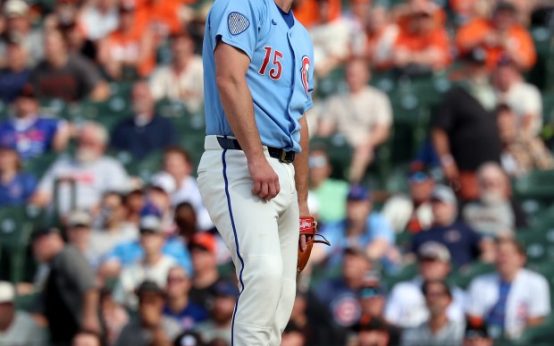 Chicago Cubs Struggle Despite Brief Optimism After Rally
 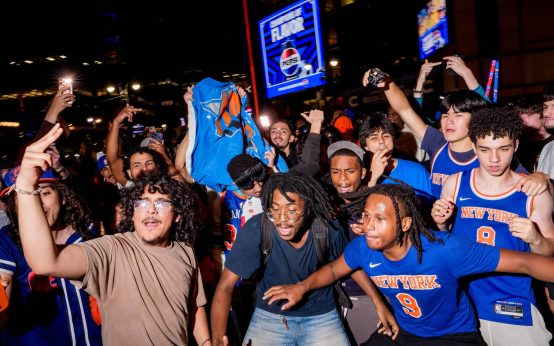 Knicks Fans Rally Across the Nation for NBA Finals Glory
  FIFA World Cup 2026: Enhanced Security Measures for Drone Activity
  Samantha Busch Expresses Gratitude Following Kyle Busch’s Passing
 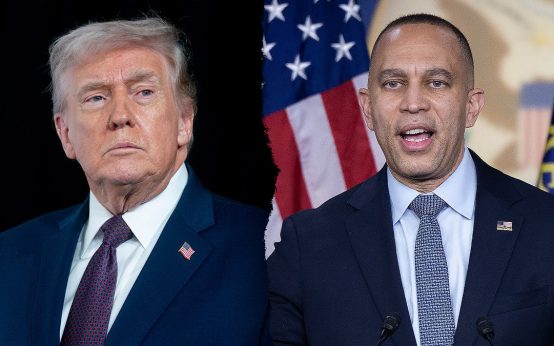 Trump’s Attendance at NBA Finals Sparks Mixed Reactions
  Weekend Sports Highlights and NIL Debate