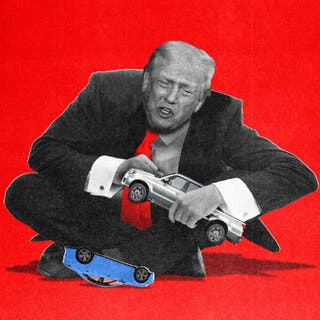
In recent years, former President Trump’s decisions and policies have had significant ramifications across various sectors in the United States, notably affecting the automotive industry. One of the most striking impacts is the cost imposed on Detroit’s economy, which is estimated to be as high as $25 billion. This financial toll stems largely from Trump’s opposition to electric vehicles (E.V.s), a stance that poses challenges for U.S. automakers intent on innovating and keeping pace with global trends.
Furthermore, Trump’s ratings have slumped once again, and this time the reason seems more pressing. Unlike previous occasions when his approval dipped due to various controversies, the current dissatisfaction appears rooted in economic concerns. This shift in public opinion could have lasting implications.
Meanwhile, there are growing concerns about the fragility of the U.S. economy. While on the surface, some economic indicators might appear stable, underlying weaknesses could lead to significant downturns, as discussed by economic professionals.
The discussion of economic disparity has resurfaced in American political debate, highlighting an enduring issue that has emerged after a decade of remaining largely out of public view. The divide between the wealthy and the less affluent is becoming more pronounced, igniting discussions about the future of economic policies.
Among the wealthy, there are arguments urging focus and solidarity, particularly concerning the political challenges emanating from Washington. This call for unity underscores the importance of collaborative efforts to address broader threats.
The concept of a ‘good’ job in today’s economy is also evolving. Analysts suggest that the focus should shift away from traditional manufacturing positions, urging a reevaluation of what constitutes rewarding and secure employment in the modern landscape.
An innovative approach is proposed to counteract rising electricity costs. As data demands increase, the flexibility of data centers is crucial for optimizing grid efficiency, suggesting a path toward more sustainable energy management.
Sociopolitical shifts indicate that the current capitalist order is undergoing significant transformation. As older structures phase out, there is debate over whether they should be revived or allowed to evolve into something new.
Furthermore, Trump’s vision for revitalizing the coal industry appears increasingly unsustainable. With competitive pressures from advancements in batteries, solar energy, and natural gas, the viability of domestic coal is in question.
Lastly, China’s competitive landscape faces scrutiny due to its intensely combative environment. The cutthroat nature of the market presents significant challenges, prompting a reexamination of its economic strategies moving forward.
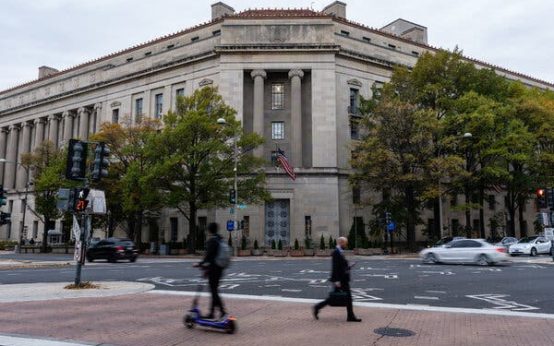 Justice Department Withdraws Plan for $1.8 Billion Fund
 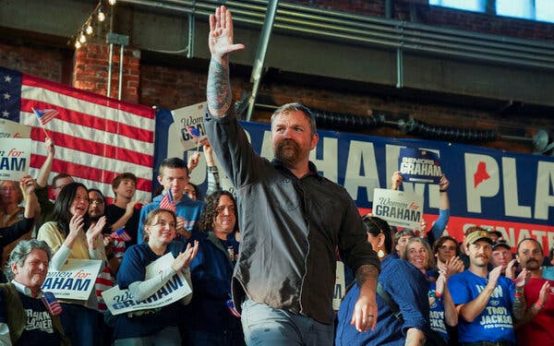 Democratic Concerns Grow Ahead of Maine Senate Primary
  Latin American Deportees in Congo: Return to Home Countries Amid Challenges
 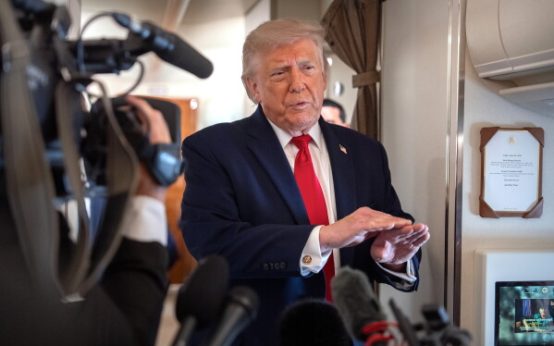 Federal Judge Invalidates Trump-Era Immigration Policy
 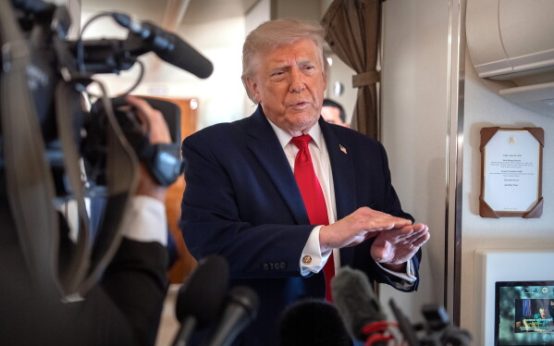 Debate Over White House Ballroom Construction
 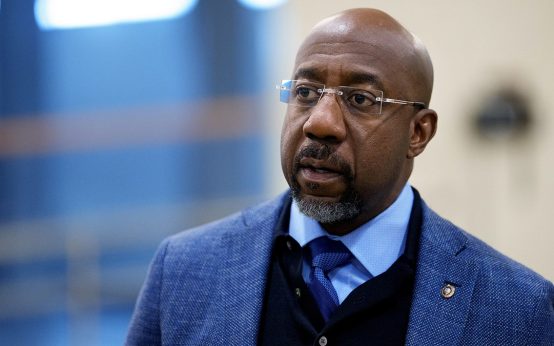 Scrutiny Surrounds Graham Platner Amid Maine Senate Primary