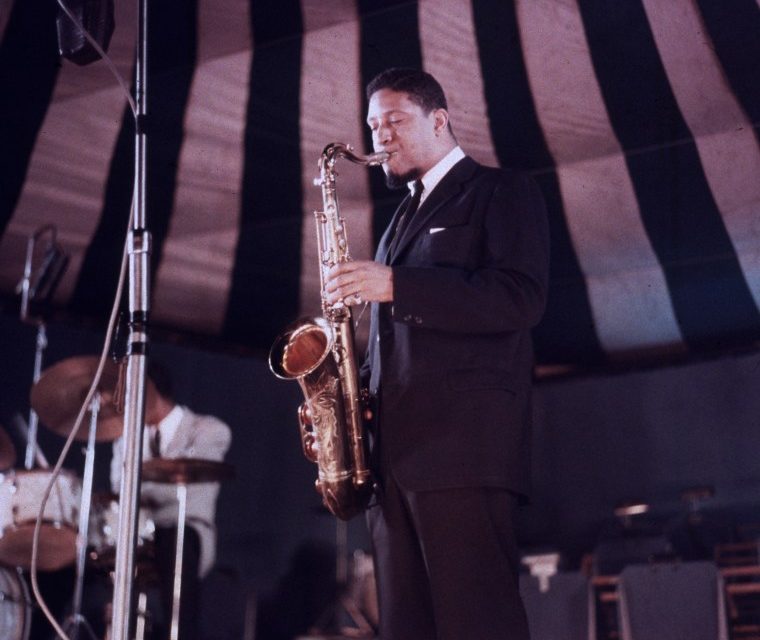
Sonny Rollins, a legendary tenor saxophonist known for his innovative contributions to jazz, passed away at 95. Terri Hinte, his spokesperson, confirmed his death at his Woodstock, New York home. Rollins, recognized for both his bold tone and continuous experimentation, was a vital figure in jazz for over half a century.
Throughout his career, Rollins gained admiration for his improvisational prowess and influence alongside icons like John Coltrane and Charlie Parker. His work even touched rock audiences, notably his sax solo on the Rolling Stones’ 1981 album ‘Tattoo You.’ Despite his success, he frequently sought new styles, never content with past achievements. He described himself as “a work in progress,” constantly striving to learn more.
Enduring Achievements
In the 1990s and early 2000s, Rollins released several acclaimed albums. He maintained a vigorous practice routine and performed live until his 80s. Pulmonary fibrosis ultimately led to his retirement, with his last performance in 2012. His passion for playing the sax remained strong, even as he missed performing for crowds.
Rollins’ 2001 album ‘This is What I Do’ won a Grammy for best jazz instrumental album. In 2006, his performance of ‘Why Was I Born?’ also earned Grammy recognition, proving his enduring musical impact. This piece was part of a live recording from a Boston concert held just after the Sept. 11 attacks.
Early Life and Trials
Rollins’ musical journey began in his teens when he joined Thelonious Monk’s band. He soon collaborated with Miles Davis and Bud Powell. However, his career faced challenges due to a heroin addiction that resulted in jail time and living on the streets. In 1954, Rollins entered a treatment program, leading to a spiritual awakening and a renewed perspective on life.
After recovery, he returned to Chicago, playing with the Max Roach-Clifford Brown quintet. His 1956 solo album ‘Saxophone Colossus’ established him as a leading saxophonist. Following this, Rollins experimented with a pianoless trio, creating landmark albums like ‘Way Out West.’ In 1959, he took a hiatus to practice on the Williamsburg Bridge, prioritizing personal growth over popularity.
Later Career and Legacy
In the 1960s, Rollins embraced the emerging free jazz style, which divided fans. His influence extended to film soundtracks, most notably for the 1966 film ‘Alfie.’ A discovery of Zen Buddhism during a Japan visit led to another sabbatical until the early 1970s.
Upon his return in 1972, Rollins was honored with a Guggenheim fellowship and induction into the Downbeat Hall of Fame. He appeared on mainstream platforms like the ‘Tonight Show’ and transitioned to performing in concert halls.
Theodore Walter Rollins was born in Harlem on Sept. 7, 1930. Raised in a musical family, he initially studied piano before pursuing the saxophone. He taught himself to play, quickly becoming an impressive performer. Despite leaving behind many unreleased recordings, Rollins remained unconcerned about his musical legacy, focusing instead on creating music freely and without regret.
 President Trump’s Attendance at NBA Finals Game Sparks Reactions
  Son of James Handy’s Girlfriend Charged in Actor’s Murder
  Exploring Themes of Success and Authenticity in “Power Ballad”
  Actor Anthony Head Passes Away at 72
  Taylor Swift’s Return to Country with ‘Toy Story 5’ Song
 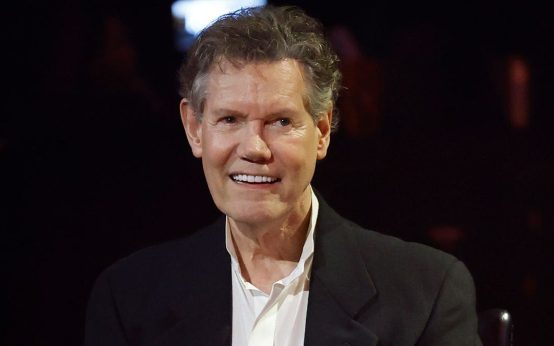 Randy Travis’ Health Struggles and His Storied Music Career