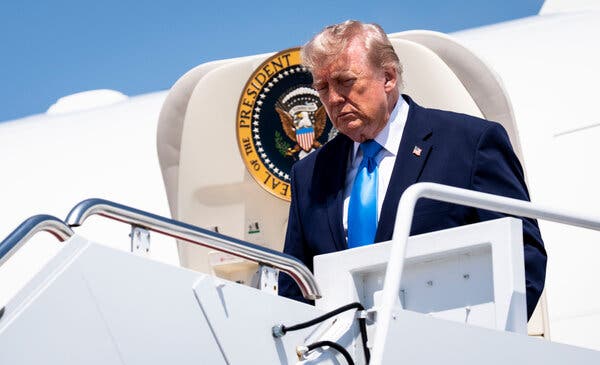
President Trump tried to compel Tehran to meet U.S. demands using threats and military actions to secure a peace deal. For weeks, the administration aimed for diplomacy over war with Iran.
Since the April cease-fire announcement, Trump’s approach involved pressure and limited military operations to achieve a deal. Despite these efforts, Iran’s position on its nuclear program remained unchanged.
The upcoming agreement might reopen the Strait of Hormuz, vital for oil and gas transport, which was blocked by Iran after U.S.-Israeli attacks initiated the conflict in late February. However, decisions on challenging issues may be postponed.
The strait was supposed to be open by now. Trump aimed for free passage to halt the conflict in April. If global shipping resumed, gas prices might decrease, and domestic discontent over the war could ease, reducing Iran’s negotiating power.
Despite U.S. attempts, Iranian forces maintained control over the strait. On April 13, the U.S. began a naval blockade of Iranian ports, redirecting over 100 ships. In May, Trump announced “Project Freedom” to help trapped ships exit the strait safely. Two vessels succeeded under this plan.
A day later, Trump suspended the initiative after failing to secure support from European allies. Despite repeated threats, further attacks on Iran were not executed.
The conflict with Iran faced unpopularity in the U.S., including among Republicans and increased oil and gas prices, affecting Washington’s Arab allies, who endured Iran’s retaliation.
In late April, Trump extended the cease-fire for ongoing discussions, maintaining pressure through his Truth Social account with various messages.
Last week, Trump postponed another planned offensive against Iran after Gulf Arab leaders requested a delay to allow “serious negotiations.”
Iran experts indicate that its leadership feels strengthened, having resisted efforts to destabilize the Islamic Republic. They consider time advantageous, partly due to their influence on energy prices globally.
Reporter Aaron Boxerman covers Israel and Gaza for The Times and is stationed in Jerusalem.
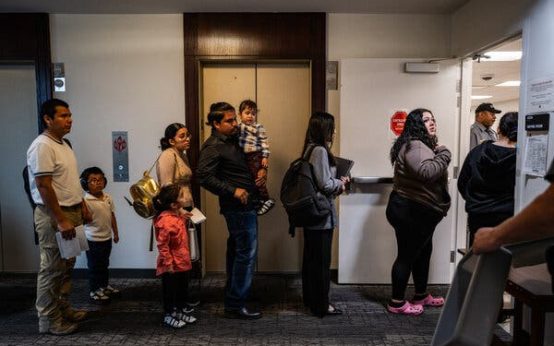 Judge Overturns Trump-Era Immigration Policies
 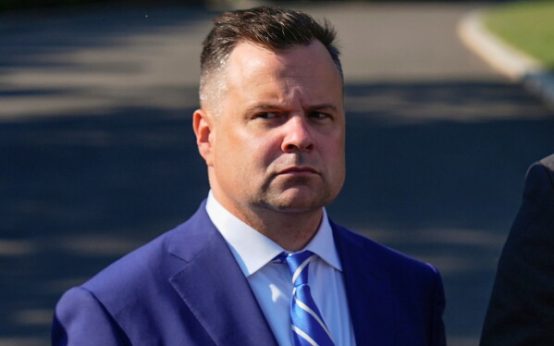 Trump Aims to Reduce National Intelligence Office Size
  California Primary Election 2026: Key Races and Emerging Results
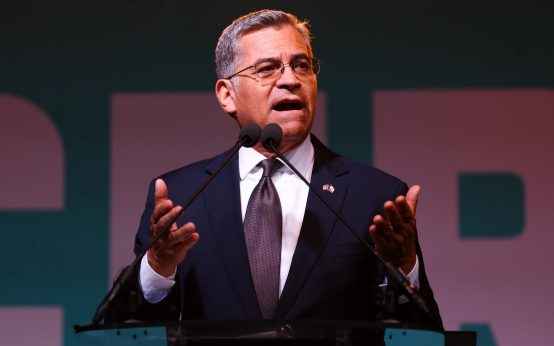
 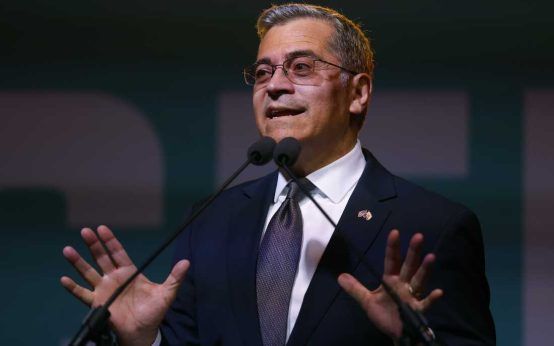 Xavier Becerra Advances in California Governor Race
  Protests Erupt in Albania Over Resort Development
 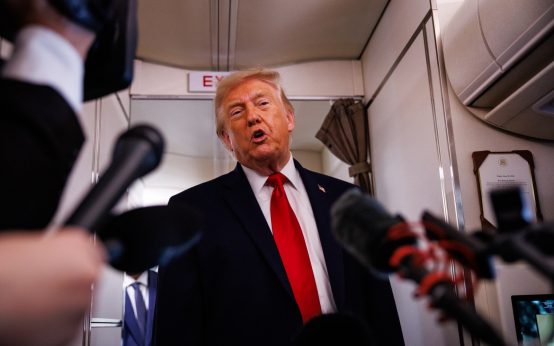 Trump Criticizes Senator Tillis Amid Nomination Discussions