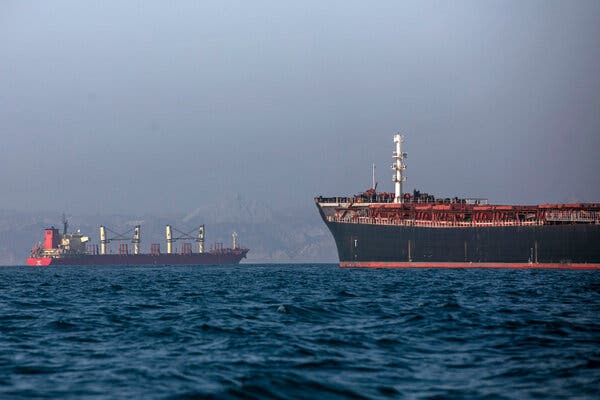
Iran is attempting to bolster its control over the Strait of Hormuz by introducing a fee for vessels passing through this vital waterway. Experts believe this strategy is unlikely to succeed, but the potential impact has caused concern within the shipping industry.
The Strait of Hormuz, a key route for transporting one-fifth of the world’s oil and gas supply, has become a focal point of tension. Tehran’s proposal to charge for passage violates international shipping rules, which dictate that countries should not impose fees for safe passage through international waters.
This situation has added uncertainty for shipping companies, which have had vessels and personnel stranded in the Persian Gulf for nearly three months due to ongoing conflict in the region. There is concern that Iran could find ways to influence strait traffic beyond the immediate conflict, potentially affecting the global economy.
Arsenio Dominguez, head of the International Maritime Organization (IMO), expressed strong opposition to Iran’s toll proposal in a recent interview. The IMO is a United Nations agency responsible for regulating global shipping. Dominguez emphasized that discussions of mandatory tolls conflict with the principles of free navigation and the right of innocent passage.
Reports indicate that Iran has been in talks with Oman, a U.S. ally bordering the strait, about establishing a toll system. Despite these developments, Dominguez remains firm in his stance against such measures.
 Potential Ebola Outbreak in Central Africa Raises Concerns of Rapid Spread
  U.S. and Allies Condemn Efforts to Overthrow Bolivian Government
  Pamela Hicks: Cousin, Bridesmaid, and Witness to History
  Latin American Deportees in Congo: Return to Home Countries Amid Challenges
  Controversy Surrounds Stabbing Incident of British Student
  Royal Cottages and Controversies: Financial and Legal Revelations