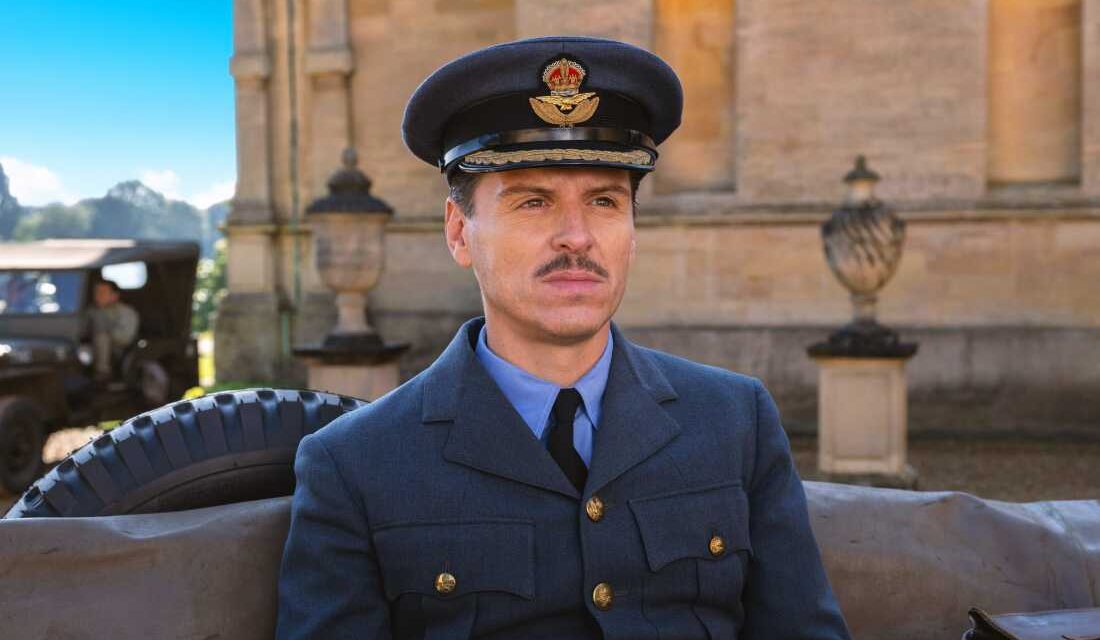
The film Pressure, an adaptation by Anthony Maras, offers a unique perspective on Operation Overlord, the Allied invasion of Normandy in 1944. This new addition to World War II cinema premieres in tandem with the 82nd anniversary of D-Day. It steps away from traditional wartime action, focusing instead on the strategic and emotional tensions preceding the historic event.
An Intricate Chamber Drama
Set apart from the chaos of the beaches, Pressure presents a tightly woven narrative, spotlighting the challenges faced by key figures. Irish actor Andrew Scott portrays James Stagg, the meticulous Scottish chief meteorologist. Working closely with his superior, General Dwight D. Eisenhower, portrayed by Brendan Fraser, the film captures their conflicting perspectives on weather forecasts crucial to the invasion plan.
Chris Messina plays Irving Krick, Eisenhower’s confident weatherman, while Damian Lewis embodies General Bernard Montgomery, adding tension with his antagonistic portrayal. These characters navigate intense disagreements amid a race against time, with data and projections fueling their debates.
The Essence of Decision-Making
The film delves deeply into the human capacity to endure uncertainty. The stately meeting rooms of Allied commanders become a stage for high-stakes decisions. These spaces, both grand and intimate, contrast sharply with the weighty responsibilities shouldered by the men inside. The weathermen, relying on data from remote locations, grapple with immense pressure to forecast the invasion’s ideal timing.
In a dramatic twist, Pressure captures the pivotal moment when the decision to delay the invasion is made. The forecasted storm hits with intensity, validating Stagg’s cautious approach. As a result, Krick is forced to reassess his stance, working with Stagg to determine the next viable opportunity for D-Day.
The Omission of Historical Figures
While the film engages viewers with its tense narrative, it omits Sverre Petterssen, the Norwegian meteorologist whose accurate predictions were critical to the mission’s timing. This absence is a noticeable choice for dramatic purposes, but it detracts slightly from historical accuracy.
Heroism in Restraint
The film’s strength lies in its exploration of ego and anxiety when making life-altering decisions. It offers audiences a glimpse into the psychological struggles behind the famous invasion. Visual contrasts, like the staff and generals anxiously listening to radio updates against the backdrop of Normandy battles, emphasize their helpless position amid unfolding events.
Pressure underscored by James Stagg’s quiet heroism, offers a fresh lens on the quiet acts of courage and rationality during WWII. The film eschews the noise of battle for the silent storms within, painting a poignant picture of decision-making during one of history’s most pivotal moments.
 Exploring Themes of Success and Authenticity in “Power Ballad”
  Actor Anthony Head Passes Away at 72
  Taylor Swift’s Return to Country with ‘Toy Story 5’ Song
  Randy Travis’ Health Struggles and His Storied Music Career
  Senate Approves $70 Billion for Immigration Enforcement
  Alamo Drafthouse Shifts Policy With Phone Ordering System