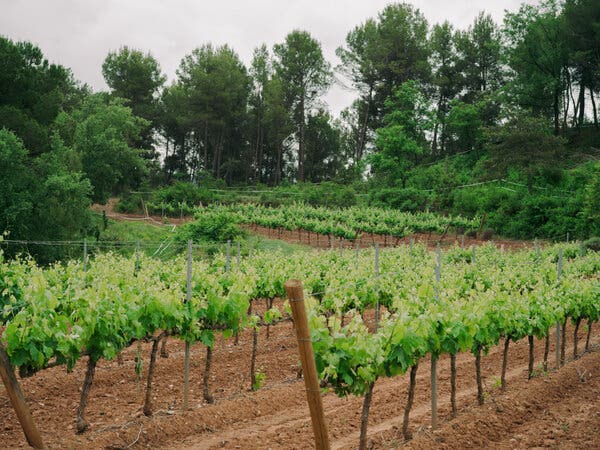
The threat of worsening fires in Europe has prompted nations to shift their focus. Authorities are now concentrating on preparing for fires rather than solely responding to them. This strategic change is driven by the need to mitigate the increasing intensity and frequency of wildfires.
In Catalonia, Spain, a vivid example illustrates this approach. A forest fire advanced toward Celler Abadal, a historic vineyard dating back 800 years. Surprisingly, the fire halted upon reaching the orderly rows of grapevines. This unexpected outcome has highlighted how certain landscapes, like vineyards, can slow down or stop wildfires.
Ramón Roqueta, the vineyard’s owner, observed that his vineyard’s design not only preserved its beauty but also increased the region’s resilience. He noted that his wine-producing lands played a crucial role in preventing the fire from advancing further.
Europe is witnessing a rise in the scale and destructiveness of wildfires. The previous year marked the worst wildfire season in Europe, with nearly 2.5 million acres burned since records began in 2006. By 2026, the burned areas have already surpassed the yearly average from 2006 to 2025.
This situation demands innovative solutions. Vineyards present a unique opportunity to serve as natural barriers. Their positioning and maintenance can help in slowing down fires, providing a method to protect other vulnerable areas.
Authorities are encouraged to explore how other landscapes might contribute to preventing future wildfires. Recognizing the potential of such natural solutions could aid in developing comprehensive fire-management strategies.
 Confronting the Truth Behind Sustainability Buzzwords in the Food Industry
  The Aftermath of Santa Rosa Island’s Fire
  Largest Seizure of Illegal Cockroaches in Australia
  Flesh-Eating Fly Returns to the United States Causing Concern
  Australia’s Largest Seizure of Exotic Invertebrates: Over 100,000 Cockroaches Confiscated
  Controversy Surrounds Proposed Nashville Data Center Near Zoo