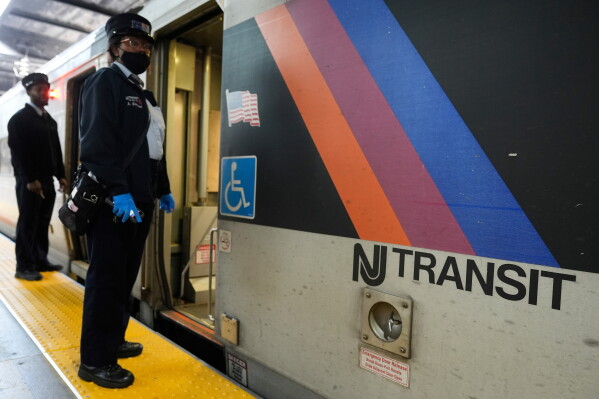
The Trump administration filed a lawsuit against four states for refusing to issue undercover license plates to federal agents. This marks a new front in the ongoing battle between the White House and Democrat-led states over the president’s immigration policies. The Department of Justice alleges that Maine, Massachusetts, Oregon, and Washington are enforcing unconstitutional restrictions. The restrictions allegedly hinder law enforcement efforts and compromise agent safety.
By denying undercover plates to DHS components, including ICE, while granting them to state agencies, these governors are promoting discriminatory policies against federal law enforcement,
said acting Attorney General Todd Blanche. These actions undermine federal immigration law enforcement, allow dangerous criminals to evade justice, and cause terror in American communities,
he added.
The lawsuits were filed in federal district courts in each of the respective states on Wednesday. The states are accused of obstructing federal government efforts to enforce immigration laws. The Department of Justice argues that immigration control and border management are exclusively federal powers. Additionally, the lawsuits claim that the Supremacy Clause of the U.S. Constitution prevents states from regulating federal law enforcement activities.
Maine Secretary of State Shenna Bellows, who oversees the state’s license plate program, expressed confidence that her decisions will stand in court. What ICE has done in Maine and continues to do is terrorize our friends and neighbors,
she stated. There is no secret police in a democracy, and we will always defend the safety and freedom of Maine residents.
Meanwhile, a spokesperson for Massachusetts Attorney General Joy Campbell mentioned that the state’s attorneys are reviewing the lawsuit and will defend the RMV policy as needed.
Officials in Washington and Oregon did not respond to requests for comment. Federal authorities claim that agents face increased risks when they are easily identifiable. The federal government argues that federal agents often investigate and detain violent criminals, including cartel members and human traffickers, and that making these authorities easily recognizable exposes them to harassment and potential harm.
The lawsuit follows an exchange of arguments between the Department of Justice and certain state officials. Previously, the federal government had sent letters to state officials demanding explanations for their policies. Maine’s Attorney General Aaron Frey responded by defending the state’s policy and disputing the Department of Justice’s claim that it has hindered federal law enforcement actions. This program reflects a legitimate and constitutional policy decision by the Secretary of State not to allow federal authorities to commandeer state resources for civil immigration enforcement activities, which have led to instances of abusive and unconstitutional conduct by DHS officials,
Frey wrote.
Bellows, in her role as Secretary of State, announced a pause on confidential plates in January after increased federal immigration control activities. She stated that Maine wants to ensure its plates won’t be used for illegal purposes. The federal lawsuit against Maine asserts that the state has issued confidential plates to public safety agencies for many years. The lawsuit claims that the state’s recent review resulted in illegal state regulation of the federal government by requiring federal applicants to certify that their vehicles would not be used for civil immigration law enforcement. It also argues that Maine did not impose similar requirements on state or local agencies, making the program discriminatory against the federal government.
Bellows previously defended her decision saying, When ICE requested confidential plates, I refused,
because Maine will not facilitate undercover civil immigration law enforcement.
The license plate debate is similar to discussions concerning federal agents covering their faces during deployments in U.S. cities. This issue became significant during a prolonged government shutdown over funding for the Department of Homeland Security. Democrats demanded changes in Trump’s mass deportation plans after masked federal agents killed two American protesters in Minnesota. The White House and DHS have upheld the agency’s mask-use policy, with a federal court blocking a California law that prohibited law enforcement from covering their faces in the state.
The administration has also opposed so-called sanctuary cities, where local law enforcement does not assist federal authorities in immigration law enforcement. Blanche instructed the DOJ’s Civil Division to identify all state and local laws and practices that could impede what the government describes as lawful federal operations.
This report includes contributions from Barrow in Atlanta and Whittle in Scarborough, Maine.
 Xavier Becerra Advances in California Governor Race
  Pentagon Reduces Recognized Religious Affiliations
  U.S. Military Awaits Pentagon’s Clarification on Troop Levels in Europe
  Xavier Becerra Advances in California Governor Race
  Graham Platner’s Campaign Amid Controversy
  South Carolina GOP Primary Heats Up as Trump Endorses Evette