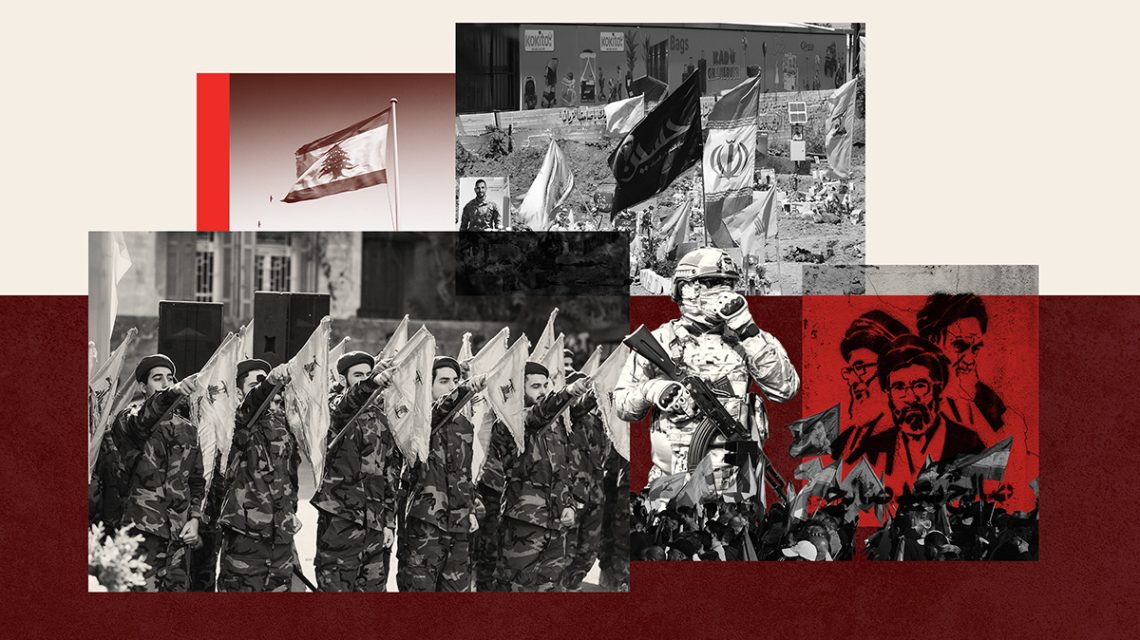
The White House is facilitating rare talks between the military leaders of Israel and Lebanon. This highlights the complex dynamics of the ongoing conflict involving the U.S., Israel, and Iran.
Israel’s Stance on Hezbollah
Israel aims to disarm Hezbollah, a key member of Iran’s coalition known as the Axis of Resistance. This coalition responded quickly following the recent October 2023 attack by the Palestinian group Hamas, leading to broader regional tensions. Israeli Prime Minister Benjamin Netanyahu insists that the struggle with Hezbollah continues, despite ongoing U.S.-Iran negotiations.
Iran’s Conditions for Peace
Iran demands an end to hostilities on all fronts, including Lebanon, as a condition for any lasting peace agreement. This requirement places President Donald Trump in a challenging position. Netanyahu seeks decisive outcomes in Lebanon, whereas Iran remains steadfast in its conditions, even if it faces further economic penalties or renewed military strife.
Iranian international affairs analyst Hassan Beheshtipour commented, “From Tehran’s view, a ceasefire in Lebanon is crucial for any agreement with the United States.” The analyst notes that Iran is not just ideologically supporting Hezbollah; it sees this alliance as integral to its national security.
Hezbollah’s Role and Historical Context
Hezbollah is an essential part of Iran’s strategy to build a network of non-state allies, enhancing its deterrence capabilities. Iran’s involvement with these groups dates back to the turmoil of the 1980s. Amid Iraq’s invasion, Iran began organizing alliances to counter international isolation. Hezbollah’s formation among Shiite fighters challenging Israeli forces in southern Lebanon was part of this strategy. The approach was later extended to involve militias in Iraq and Yemen.
Challenges for U.S. Policy
The U.S. and other nations criticize Iran’s coalition of unconventional allies, viewing many of its members as terrorist organizations. Despite this, Tehran continues to prioritize these alliances, seeing the strategic advantages as outweighing the economic and political drawbacks.
Analyst Meir Javedanfar says Iran considers its Axis of Resistance similar to NATO, a defense network safeguarding Iranian interests. Iran’s insistence on including a ceasefire between Israel and Lebanon in negotiations with the U.S. highlights its commitment to protecting this alliance.
Iran’s Tactical Advantages
Iran holds several advantages in negotiations after months of conflict. The Iranian political system’s structure allows flexibility in foreign policy decisions compared to the U.S., where leaders face domestic political pressures. Iran’s ability to disrupt the Strait of Hormuz has significant impacts on global energy markets, giving it leverage in talks.
Additionally, Iran targets Gulf nations allied with the U.S., pressuring these states to push for de-escalation. Ayatollah Mojtaba Khamenei, leading in Iran, faces fewer constraints than President Trump, allowing greater strategic maneuvering.
Netanyahu’s Challenges
Israeli Prime Minister Netanyahu, while strong domestically, experiences pressures in managing Israel’s objectives in the Middle East. President Trump has claimed significant influence over Netanyahu’s decisions in the conflict.
Barbara Leaf, a former U.S. diplomat, suggests that Iran aims to exploit any rifts between Trump and Netanyahu. Iran’s strategy involves getting the U.S. to pressure Israel into withdrawing from Lebanon, a condition Israel will probably oppose.
Hezbollah’s Tactical Shifts
Hezbollah has adapted its tactics, inflicting more damage on Israeli forces despite suffering losses. Speculation exists on whether Hezbollah would consent to a peace deal, precipitating an Iranian restraint effort.
Past ceasefires in the region, including U.S.-Iran agreements, indicate ongoing military engagements despite official pauses. The situation remains tense and complex, with negotiations at risk of derailment by differing objectives.
Regional Stability Concerns
Iran’s influence in the Middle East continues to pose challenges for lasting peace. Mick Mulroy, a former U.S. defense official, argues that Iran must cease destabilizing activities to achieve lasting peace. He warns that recent Israeli military operations may undermine the potential signing of a memorandum of understanding between the U.S. and Iran, suggesting deliberate disruption attempts.
 Protests Erupt in Albania Over Resort Development
 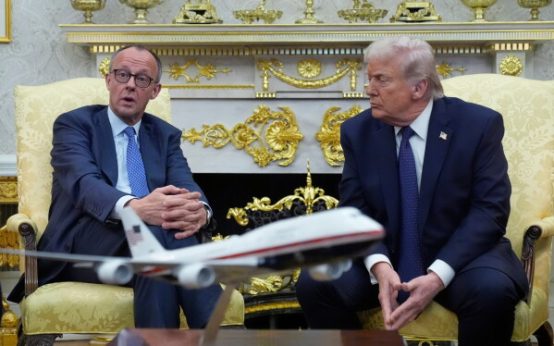 Clarity Sought on U.S. Troop Levels in Europe Amid Policy Changes
 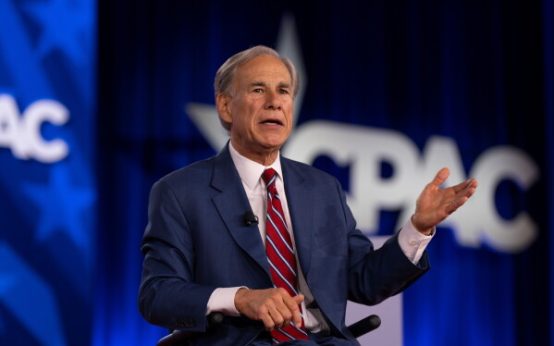 U.S. Military Awaits Pentagon’s Clarification on Troop Levels in Europe
 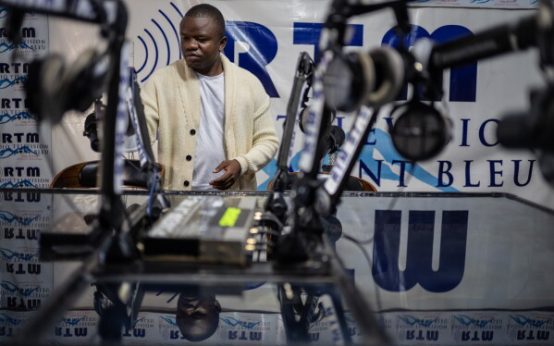 Potential Ebola Outbreak in Central Africa Raises Concerns of Rapid Spread
  U.S. and Allies Condemn Efforts to Overthrow Bolivian Government
  Pamela Hicks: Cousin, Bridesmaid, and Witness to History