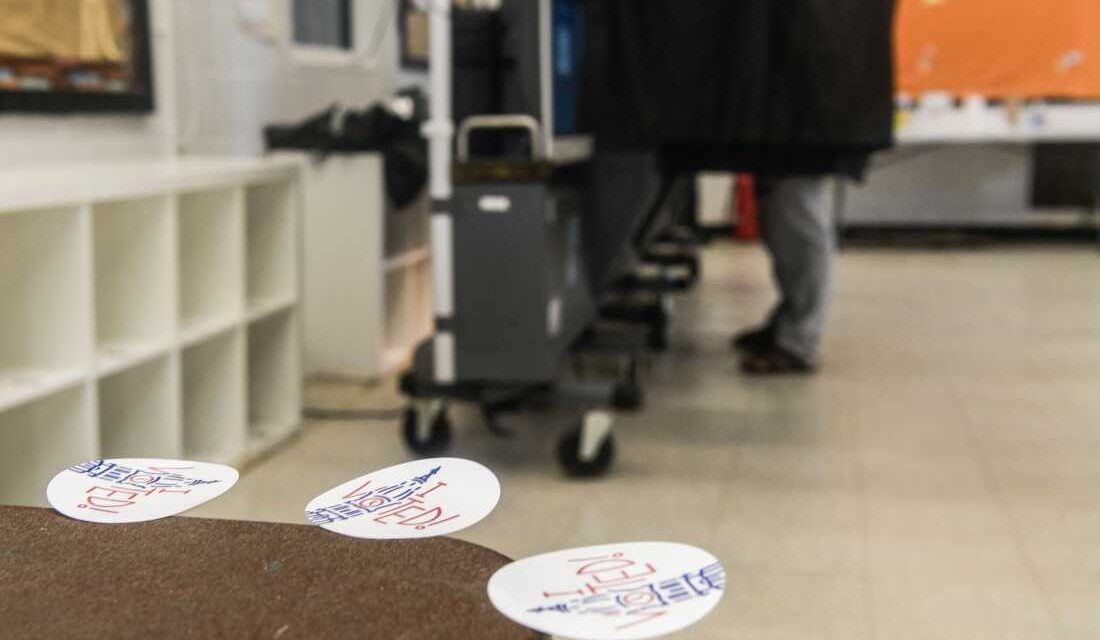
Primary elections are contributing to increasing polarization in Congress. Closed, single-party primaries limit voter choice, prompting some lawmakers to challenge this system. These primaries often prioritize party loyalty over personal political judgment.
John Opdycke, president of Open Primaries, argues that both major parties shape election outcomes before voters have their say. This manipulation increases party control, reducing competitive U.S. House districts. Currently, over 90% of seats are deemed safe for one party, making primaries crucial in determining House members.
Nick Troiano, executive director of Unite America, promotes nonpartisan primaries, warning that partisan gerrymandering and primaries intensify Congress’s polarization. He believes elected officials risk losing reelection to more ideologically extreme challengers within their party.
Closed Primaries and Their Consequences
Rep. Brian Fitzpatrick from Pennsylvania, representing a competitive district, criticizes closed primaries that restrict voting to registered party members. He argues this process prevents compromise and aligns officials with extremes. Though independents can run in general elections, opting out of primaries presents challenges against major-party candidates.
Sen. Bill Cassidy, R-La., lost in a 2021 primary after the state altered election rules. Louisiana shifted from an open to a semi-closed system, limiting Cassidy’s ability to garner crossover support, ultimately leading to his primary defeat. He contends this system drives politicians toward extremity.
Success Stories of Open Systems
Sen. Lisa Murkowski, R-Alaska, experienced success through open primaries. She lost a 2010 primary but won as a write-in candidate in the general election. Alaska’s open primary process, implemented in 2022, contributed to her reelection. The system allows all voters to select candidates for advancement to the general election, reducing party control.
Murkowski believes open primaries empower voters rather than political parties, promoting representation beyond strict party lines.
The Resistance to Change
Political parties show resistance to ceding control over primaries. Opdyke notes intensified gerrymandering contributed to efforts to close primaries. Both parties aim to maintain authority, limiting opportunities for candidates outside established norms.
Reform advocates, like Troiano, face setbacks as states reject nonpartisan primaries. His organization now battles state bills to close party primaries further. Troiano highlights that lesser deviations from party alignment can prompt primary challenges.
Opdyke argues that nonpartisan systems do not inherently produce moderates but encourage collaboration across party lines. Currently, the partisan primary structure discourages bipartisan cooperation, impacting legislative productivity. Public sentiment favors compromise over gridlock, yet dissatisfaction with Congress remains high.
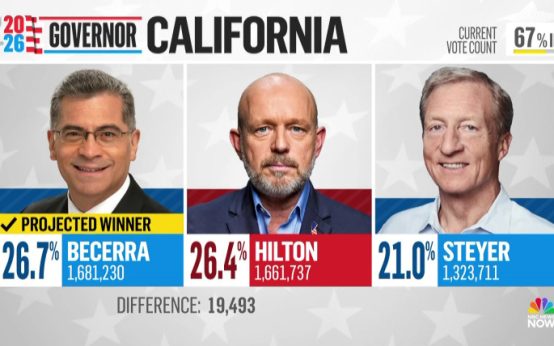 Investigations Launched Amid California Election Fraud Claims
  Khanna Urges Apology from Maine Senate Candidate Over Misconduct Allegations
  Judge Overturns Trump-Era Immigration Policies
  Trump Aims to Reduce National Intelligence Office Size
  California Primary Election 2026: Key Races and Emerging Results
  Xavier Becerra Advances in California Governor Race