After spending nine months in Immigration and Customs Enforcement (ICE) detention, Jesus Ramirez Ramos faced numerous challenges. His clothes, kept in storage unwashed for months, were in poor condition. ICE lost his cellphone at the Michigan jail, severing important connections. He was detained far from his Salina, Kansas, home, with no clear path back. Yet, upon his release from the North Lake detention center in Baldwin, Michigan, help awaited him. Delight Lester, a 66-year-old Michigander, supports ICE detainees through an advocacy program. She met Ramos with clean clothes, snacks, and a phone, and drove him over 900 miles home in her silver Toyota Prius. Ramos expressed deep gratitude: “Me ayudó muchísimo. Estoy muy agradecido” (“She helped me a ton. I’m very grateful.”).
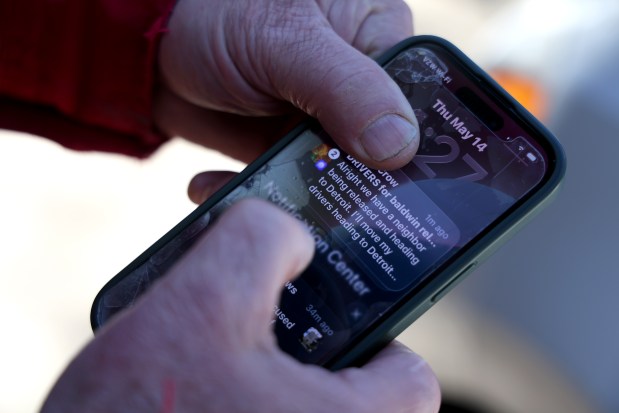
Lester is part of a national network aiding ICE detainees and organizing transportation back home for those released. Many detainees end up far from their communities. Advocates nationwide, from California to Texas, provide travel assistance. These groups often have transportation coordinators and volunteer drivers who respond to messages via encrypted apps. For example, the Overground Railroad in Illinois coordinates relay-style rides from other states.
The Trump administration’s immigration policies have led to widespread arrests. In Chicago, Operation Midway Blitz resulted in numerous arrests and deportations, many involving noncitizens without criminal records. Trump’s push for indefinite detention of immigrants without bond has sparked legal challenges. Attorneys file habeas corpus petitions to secure detainee releases. However, released individuals often find themselves far from home, without notice, funds, or a phone.
In response, people across the country have mobilized. Evelyn Vargas, organizer with Organized Communities Against Deportations in Chicago, describes the act of detention as violent, igniting a public desire to help. For Delight Lester, the effort to assist is about spreading hope and kindness. Lester says, “For me, we all have the capacity to make the world a little bit better. I think we forget that.”
Hope for Neighbors, a group in Michigan, supports immigrants in detention and upon release. Pastor Dale Dalman, introduced Lester to the cause through his involvement in helping a former congregation member detained by ICE. The group has grown, supported by Dalman’s local church.
Rev. Dale Dalman, Heaven Watch, and Calor Humano are examples of regional efforts dedicated to assisting released detainees.
Volunteers like Susan Schultz keep watch at release points providing immediate support including phones and other essentials.
Regional efforts extend nationwide. Robin Valenzuela founded Indiana AID to coordinate visits and support detainees through virtual programs.
Stephanie Campos and Kathy O’Leary contribute to Eyes on ICE, serving those released from Delaney Hall detention center in New Jersey.
Rebecca De La Luz from Illinois is recognized for her dedication. She regularly transports individuals, managing logistics via constant communication.
De La Luz expresses the joy of delivering good news: “That’s the best feeling in the world.” Her commitment ensures detainees like Luis Peña Martinez reunite with families and reclaim some measure of freedom.