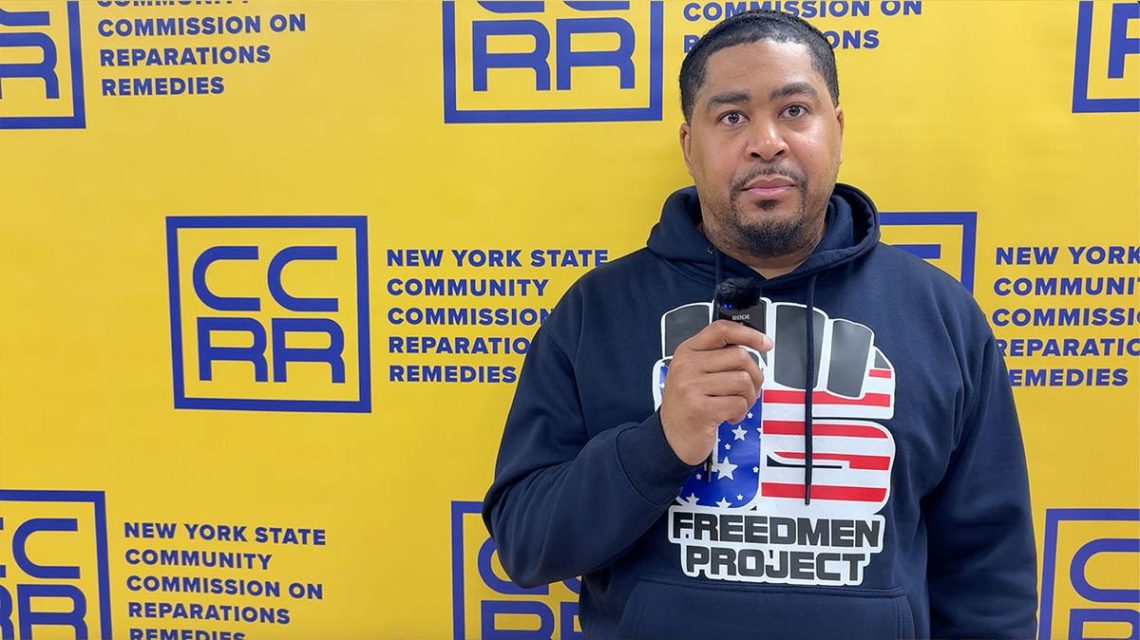
Some Black residents of New York are advocating for financial reparations from the government as state officials deliberate on forms of compensation for slavery and past racial injustices. Aubrey Muhammud articulated a straightforward demand, stating, “We need $800,000 for each foundation of Black Americans.” He emphasized that this amount reflects New York’s cost of living, which could help secure a home, establish a small business, or alleviate financial stress.
The New York State Community Commission on Reparations Remedies hosted a public hearing on Saturday. This follows Governor Kathy Hochul’s 2023 bill signing to establish a “community commission to study the history of slavery in New York state,” with the intent to explore various reparations approaches. The Empire State joins other states and municipalities considering reparations for Black residents due to slavery and racial injustices.
One notable example is a suburb in Chicago, Evanston, Illinois, which provided $25,000 in cash to Black residents to correct past racial housing discrimination. Commissioner Seanelle Hawkins emphasized the public hearing’s mission, saying, “Our theme today is truth before repair,” addressing the gathered participants.
During the hearing, residents shared their insights, assisting the commission in examining discriminatory policies and slavery’s impact in the United States. Advocates for reparations stressed the importance of acknowledging the identity of foundational Black Americans.
Several individuals shared their views with Fox News Digital on what reparations should entail. Rex Burns suggested reestablishing a Freedmen’s Bureau-like entity, serving as a central financial institution for Black America, distributing resources within Black communities.
The United States Freedmen Project, an organization composed of self-identified foundational Black Americans, informed the discussion. The group highlighted the variations between descendants of slaves and voluntary African immigrants to the U.S. The organization aims to revive the missions of the old Freedmen’s Bureau and Freedmen’s Savings and Trust Company.
Some supporters claimed that the language of the reparations bill breaches the Constitution. They argue the eligibility criteria should be lineage-based. As Brooke Lean explained, cash payments should precede other forms of reparations, which might then address issues like education, redlining, and policing, which contribute to slavery’s legacy.
Assemblymember Michaelle C. Solages, representing New York’s 22nd District, played a role in drafting the Reparations Commission legislation. Solages underscored the importance of community feedback, stating, “We are many people in one, and it’s important that we hear from New Yorkers.” The legislation aims to gather input from New Yorkers to inform the commission’s report.
At the hearing, attendees like Caprice Reins and Tanasia Poke emphasized the necessity of financial compensation for true justice. Poke noted that historical and generational impacts on the Black community require financial restitution to rectify institutionalized inequities.
Rex Burns reiterated the importance of cash reparations, describing them as “tangible” and “right in front of you,” warning against misallocation to unintended recipients.
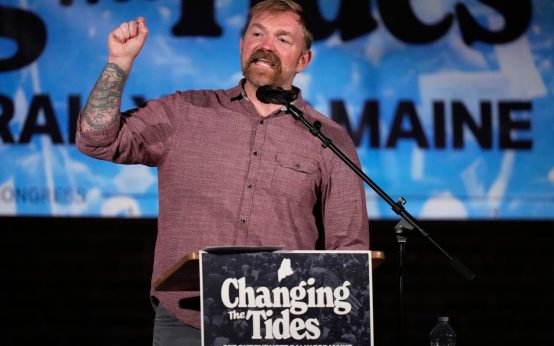 Graham Platner’s Campaign Faces Allegations and Support from Voters
 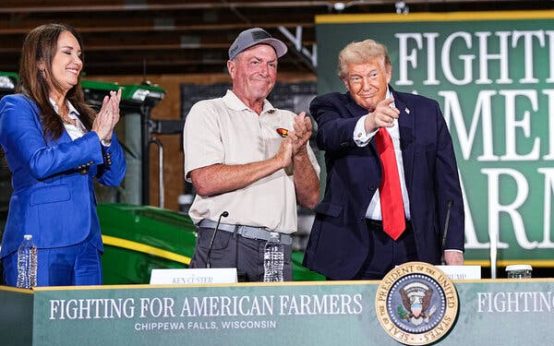 Trump Bolsters Support Among Wisconsin Farmers Amid Tariff Concerns
 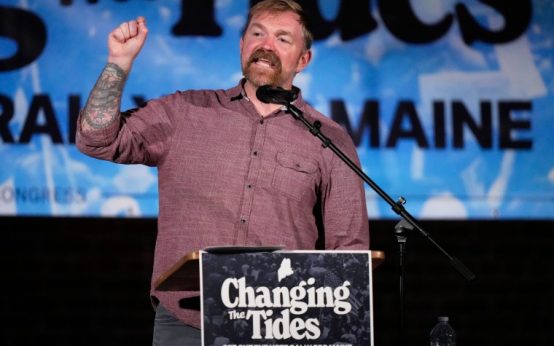 Graham Platner Returns to Campaign Trail Amid Allegations
  FBI Analysts Dismissed Over Controversial Memo
  California Elections: The Ongoing Vote Count and Controversies
  California’s Primary Election: Highlights and Insights