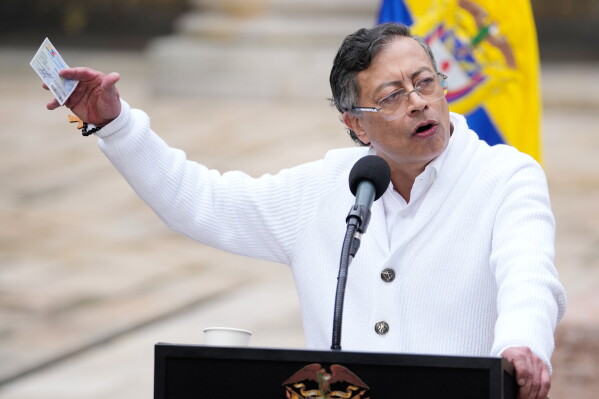
Colombian Voters Choose Petro’s Successor
Over 41.4 million Colombians are set to vote for a new president to replace Gustavo Petro, who cannot seek reelection. The election, running from 8 AM to 4 PM local time, also includes the choice of a vice president.
Political Violence and Security Concerns
The elections take place amid political violence, including the assassination of Miguel Uribe Turbay and threats to other candidates. Armed groups vie for control over strategic areas crucial for drug trafficking and illegal economies.
Main Presidential Candidates Identified by Polls
Leading candidates include Iván Cepeda from Petro’s party, Paloma Valencia from the opposition, and Abelardo de la Espriella from the Defenders of the Homeland movement. Other candidates in the race are Claudia López, Sergio Fajardo, Roy Leonardo Barreras, Mauricio Lizcano, and Miguel Uribe Londoño. Carlos Caicedo and Luis Gilberto Murillo have withdrawn to support Cepeda, though they remain on the ballot.
President Petro Urges Citizens to Protect Votes
Gustavo Petro called on voters to ensure Colombia’s future by voting freely, without interference. He emphasized the legality of buying votes and employer coercion. He also urged vigilance against electoral fraud and pushed for state ownership of election software to prevent third-party interference.
Creative Non-Alcoholic Cocktails Amid Alcohol Ban
Ahead of the elections, a nationwide alcohol ban led bars to innovate with non-alcoholic cocktails. In Bogotá, options like the “Pacto pop,” “Tigre tonic,” and “Paloma sour” represent the candidates. There’s even an “Indie blanco” for the undecided.
Voting Centers Open Across Colombia
Colombians head to polling stations to choose Petro’s successor amid concerns over violence by armed groups. The leading candidates are Iván Cepeda, Abelardo de la Espriella, and Paloma Valencia, each with promises to tackle illegal groups and drug traffickers.
Colombians Divided on Petro’s Legacy
The electorate faces a choice between continuing or reversing Petro’s progressive agenda. Surveys show a tight race among Iván Cepeda, Abelardo de la Espriella, and Paloma Valencia. Colombia remains divided on social, economic, and political issues. Petro holds around 40% approval but is a polarizing figure, according to political analyst Sergio Guzmán.
 Investigations Launched Amid California Election Fraud Claims
 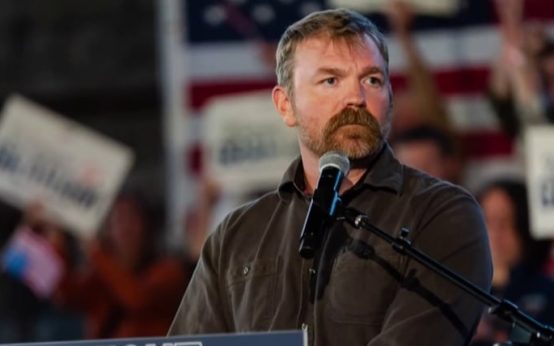 Khanna Urges Apology from Maine Senate Candidate Over Misconduct Allegations
 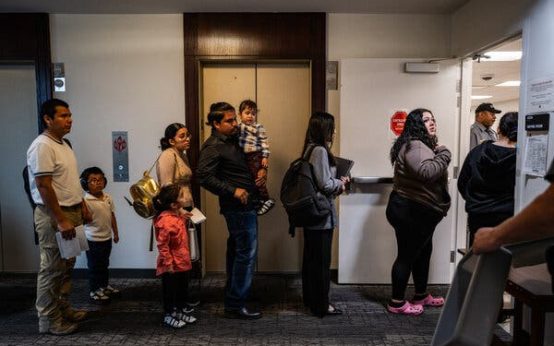 Judge Overturns Trump-Era Immigration Policies
 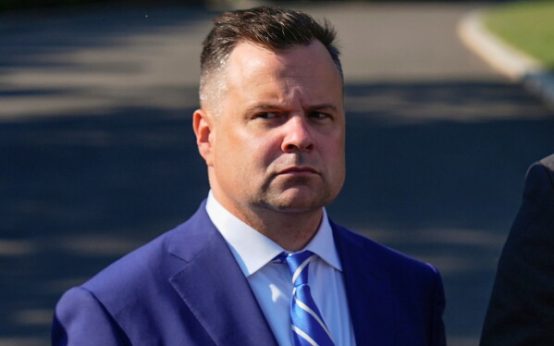 Trump Aims to Reduce National Intelligence Office Size
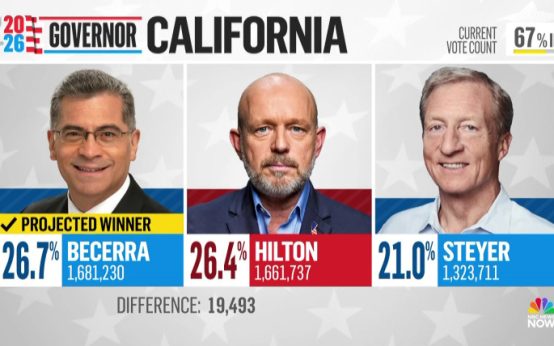
 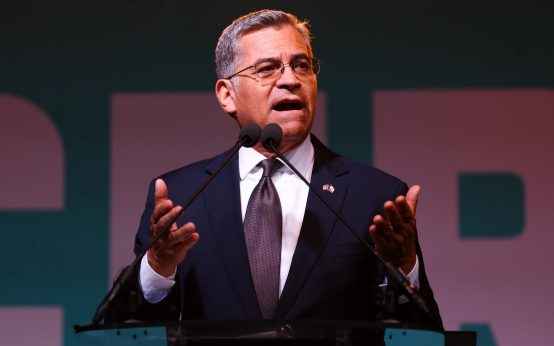 California Primary Election 2026: Key Races and Emerging Results
 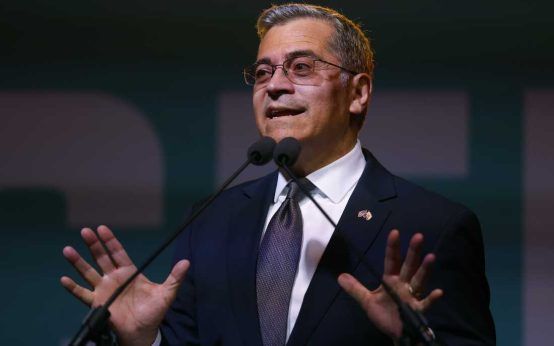 Xavier Becerra Advances in California Governor Race