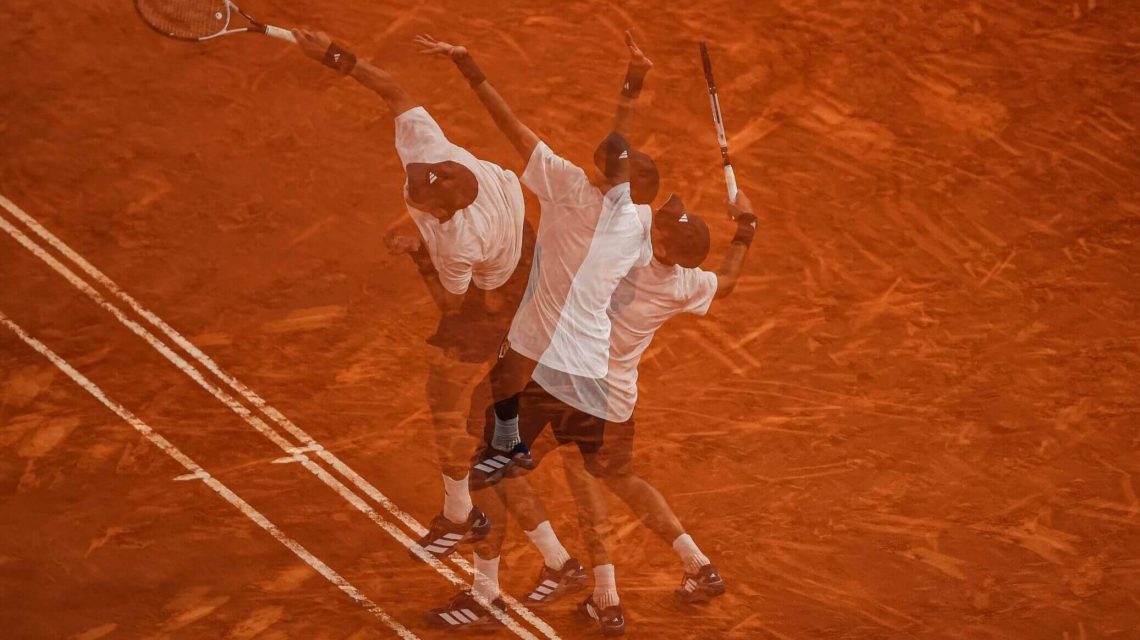
PARIS — The 2026 French Open has witnessed the rise of new tennis stars amid the absence of some established players. Carlos Alcaraz and Jannik Sinner, both iconic figures in men’s tennis, missed the tournament due to a wrist injury and ill health, respectively. Despite their absence, their influence persists through a younger generation of players embracing similar styles of play.
New Generation of Tennis Prodigies
Among the emerging talents is João Fonseca, a 19-year-old Brazilian. His performance against 39-year-old Novak Djokovic demonstrated his ability to both powerfully drive and delicately finesse the ball. Rafael Jódar, also 19, epitomizes fearless play, reminiscent of Alcaraz and Sinner, with a remarkable two-handed backhand return.
Moïse Kouame, a 17-year-old French player, embodies the traits of both Sinner and Alcaraz. His forehand and backhand showcase remarkable precision and power. His movement across the court is agile, enabling him to transition from defense to attack effectively. This trio represents a new generation in men’s tennis, inspired by past and current stars.
Role Models and Inspirations
“My role model in tennis when I was younger, it was Rafael Nadal. Then in the last few years before I turned pro, I could say probably Carlos Alcaraz,”
These words of inspiration reflect how young players like Jódar have transitioned from idolizing legends such as Rafael Nadal, Roger Federer, and Djokovic to emulating current stars like Sinner and Alcaraz.
This shift underscores the impact of these contemporary players on the evolving approach in professional tennis.
The Changing Dynamics of Men’s Tennis
The dynamics of men’s tennis have shifted. Players like Félix Auger-Aliassime and Casper Ruud have noted the evolution of the sport amidst their careers. The previous emphasis on strategic point construction has given way to a faster-paced game, exemplified by Sinner and Alcaraz. This quick, aggressive style capitalizes on groundstrokes that toggle between offensive and defensive modes.
Fonseca, Jódar, and Kouame are joined by other young talents at varying stages of their development. Jakub Menšík, 20, persevered through physical challenges to overcome seasoned opponents, while Learner Tien, 20, showcased resilience and determination before facing a setback against Flavio Cobolli.
The Future of Tennis
The younger players display remarkable skills with minimal weaknesses. Their athleticism, serving capabilities, and overall well-roundedness are molded by observing tennis greats during their formative years.
The rise of these young players is evidenced by the rapid ascent of Jódar, who moved from outside the top 700 to the top 40 within a year. His and Fonseca’s playing strategies are supported by data. For instance, Fonseca’s topspin forehand exceeds 3,000 RPMs at 81 mph, indicating advanced play compared to the tour average.
These players understand the necessity of adapting their styles, as Jódar works on enhancing his defense on clay, complementing his aggressive game plan.
Continuous Growth and Development
Fonseca, after a taxing match against Djokovic, showed determination to evolve his game. He focused on being aggressive but consistent, emphasizing the importance of the ‘plus-one’ shot post-serve.
These qualities underscore the significance of adaptation and innovation in maintaining competitiveness in modern tennis.
The current tournament setup showcases these younger talents as they challenge seasoned players, highlighting the continual evolution of men’s tennis. With future potential beckoning, these emerging stars strive for success against seasoned adversaries, indicating a promising shift in the sport.
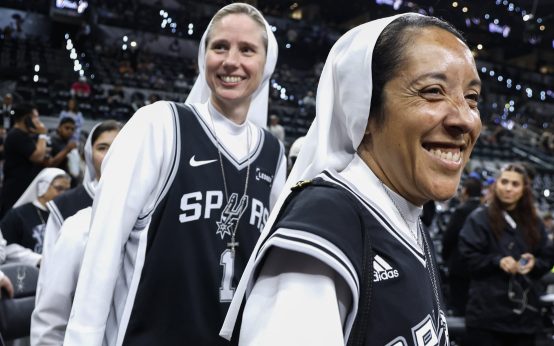 NBA Finals Game 2: Knicks vs. Spurs Updates
  NBA Finals Game 2: Knicks vs. Spurs Ongoing Battle
  Chicago Cubs Struggle Despite Brief Optimism After Rally
  Knicks Fans Rally Across the Nation for NBA Finals Glory
  FIFA World Cup 2026: Enhanced Security Measures for Drone Activity
  Samantha Busch Expresses Gratitude Following Kyle Busch’s Passing