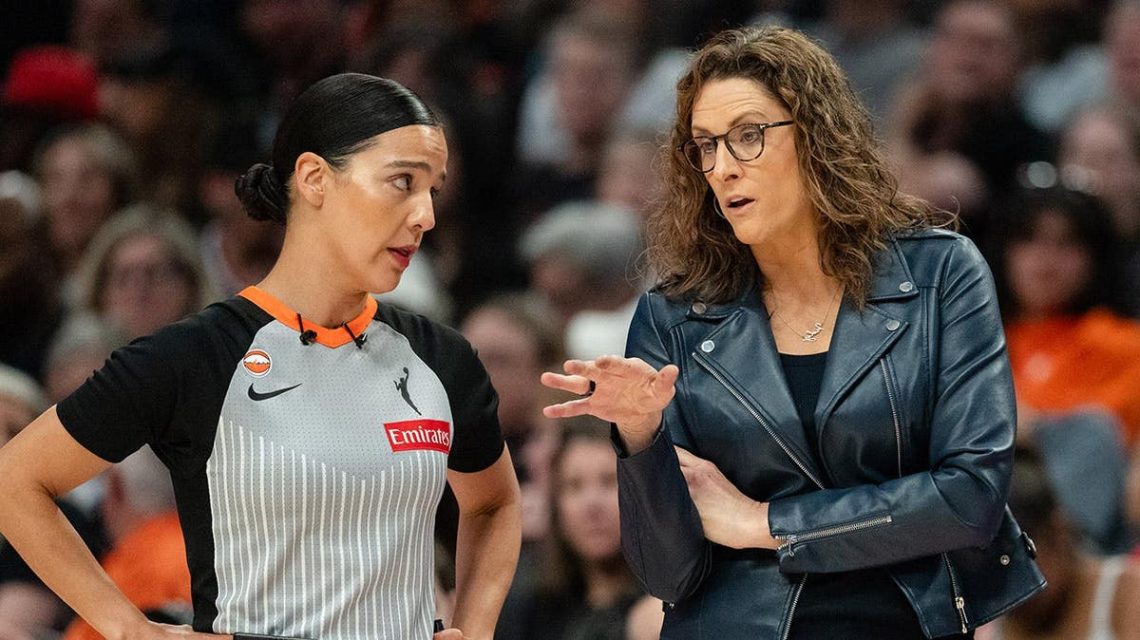
The Indiana Fever faced a significant loss on Saturday night, sparking conspiracy theories among fans of Caitlin Clark. The team suffered a defeat to the Portland Fire, 100-84, in a match where Clark managed only six points on 1-of-7 shooting and fouled out in 22 minutes. This marked one of the toughest nights in Clark’s WNBA career, with Indiana appearing uneasy from the game’s onset.
However, the focus was not solely on the game’s statistics but also on the coaching decisions made by Indiana Fever’s head coach, Stephanie White. During the second half, White’s choices, particularly her decision to remove key players including Clark, Aliyah Boston, and Lexie Hull after taking an early 8-2 lead, led to much speculation. Following these substitutions, Portland surged with a 19-4 run, leaving Indiana struggling to regain control.
By the following morning, fans on social media platform X were not only criticizing White’s rotation strategy but also accusing her of deliberately sabotaging Clark. It’s crucial to note that these are unfounded internet theories; there is no evidence to support claims of sabotage. Fans, however, were puzzled by White’s explanation, which simply stated that Clark’s removal followed normal rotation patterns, and Boston’s substitution linked to managing her minutes restriction.
Despite White’s explanation, many fans remained unconcerned. Some voiced harsh criticism of White’s coaching credentials, blaming her for the team’s failures. The outburst included claims that White never takes responsibility for losses and calls for her dismissal. While these reactions might seem extreme, the dissatisfaction wasn’t limited to a minority; complaints against White gained significant support on social media.
The timing of White’s substitutions was a focal point of criticism. Indiana began the game with strong energy, with Clark, Boston, and Hull on the court. When they were subbed out, Portland quickly capitalized. Though there are reasonable basketball reasons for managing player workloads, fans argue that sticking to routine rotations even when the strategy backfires isn’t ideal.
Clark’s own performance and foul trouble compounded matters. She admitted post-game she needed to defend better without fouling. The team’s poor defense and Portland’s effective play further contributed to their loss. Despite White’s reasonable post-game analysis, fans weren’t seeking detailed insights; they wanted accountability.
The social media uproar intensified with a circulating sideline video appearing to show White in animated discussion with Clark during a huddle. Some accused the video of being AI-manipulated, although there’s no substantial evidence for such claims.
White does possess an accomplished coaching record, including a previous WNBA Finals appearance and a Coach of the Year award. Yet, coaching a high-profile player like Clark attracts heightened scrutiny. The Fever’s approach to managing Clark, central to their and the WNBA’s business interests, remains under the microscope.
Ultimately, fans’ frustrations highlight deeper concerns about how the Fever are handling their star player. As Indiana prepares for their next game against the Atlanta Dream, the focus remains not only on Clark’s match-up with Angel Reese but also on White’s ongoing coaching decisions.
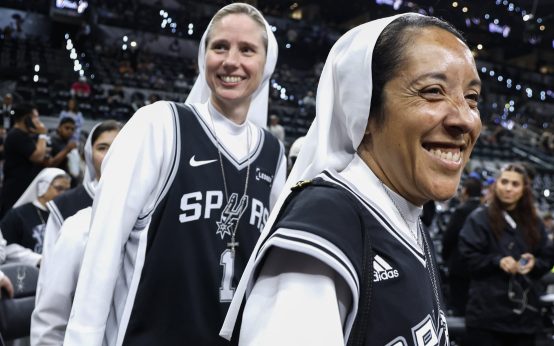 Knicks Lead Spurs As Fourth Quarter Begins: A Playoff Showdown
 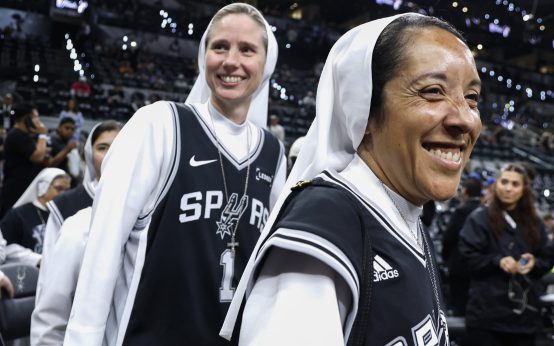 Knicks Maintain Lead With Strong Third Quarter Play
  Knicks Secure Series Lead in NBA Finals Opener
 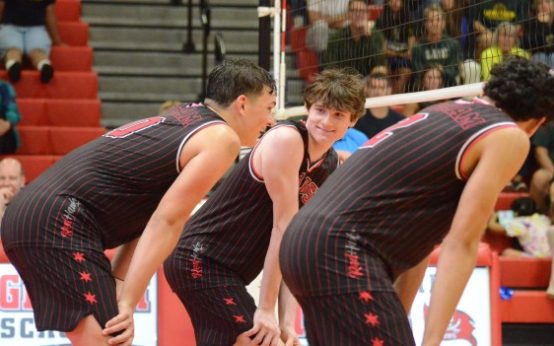 Forbes Fuels Marist’s Volleyball Journey
 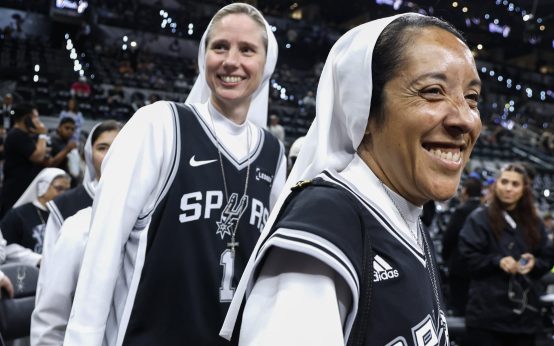 San Antonio Spurs and New York Knicks Clash in NBA Finals Game 2
 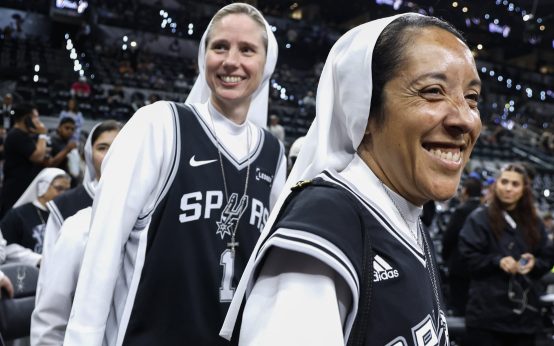 NBA Finals Game 2: Knicks vs. Spurs Updates