
A new artificial intelligence model from China, known as Kimi K3, surprised the U.S. tech industry when it emerged as a strong competitor. Developed by Beijing-based startup Moonshot, Kimi K3 is said to rival top models like Anthropic’s Claude and OpenAI’s ChatGPT.
Anastasios Angelopoulos, co-founder and CEO of Arena, a platform for evaluating AI systems, highlighted the significance of the Kimi K3 release. He noted its performance in “front-end coding capability,” suggesting that it competes effectively against closed U.S. models.
The unveiling of Kimi K3 coincided with Chinese President Xi Jinping’s remarks at the World Artificial Intelligence Conference in Shanghai. Xi emphasized the importance of global cooperation in AI development. This comes amid American restrictions on Chinese access to advanced technologies.
The release of Kimi K3 follows another significant launch by Chinese startup Zhipu, with its GLM-5.2 model attracting global software developers. These developments have sparked discussions about competition with U.S. models, with some industry analysts expressing skepticism over the hype.
During the conference, Huawei showcased a new AI computing system, the Atlas 950 SuperPoD, highlighting China’s progress in developing domestic hardware despite U.S. import restrictions. Moonshot’s K3 remains more affordable than top U.S. models, according to a report by Bank of America research analysts.
U.S. entities such as Anthropic and OpenAI have raised concerns about Chinese models potentially using “distillation” techniques to replicate their technology. Anthropic criticized these practices but noted the validity of distillation as a training method if used ethically.
Conversely, San Francisco-based startup Anysphere developed one of its products using Moonshot’s K2.5 model. This reflects the cross-pollination between U.S. and Chinese AI ventures. SpaceX is reportedly preparing to acquire Anysphere’s product Cursor for $60 billion.
Kimi K3 represents a step forward for open-source AI, with Moonshot co-founder Yang Zhilin, a Carnegie Mellon University alumnus, playing a key role. His work is celebrated by former colleagues as a victory for open-source practices, although some warn of potential security risks.
 Regulators Braced for Decision on EA Acquisition Amid Industry Concerns
  Kansas Teacher Vows to Continue Speaking Out After Arrest at Public Hearing
  Israeli Defense Technology Proposed for U.S. Missile Shield
  Communities Push Back Against Automated License Plate Reader Cameras
  Understanding AI Tokens and Their Impact on Financial Markets
 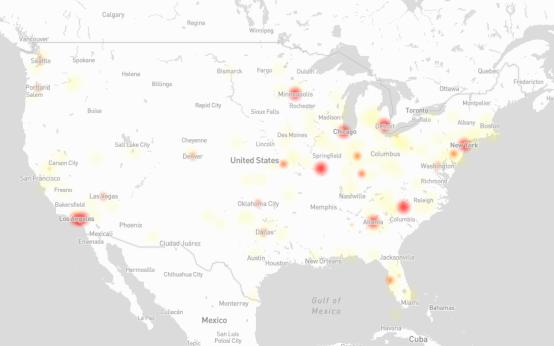 Nationwide Network Issues Affect T-Mobile and Verizon Users