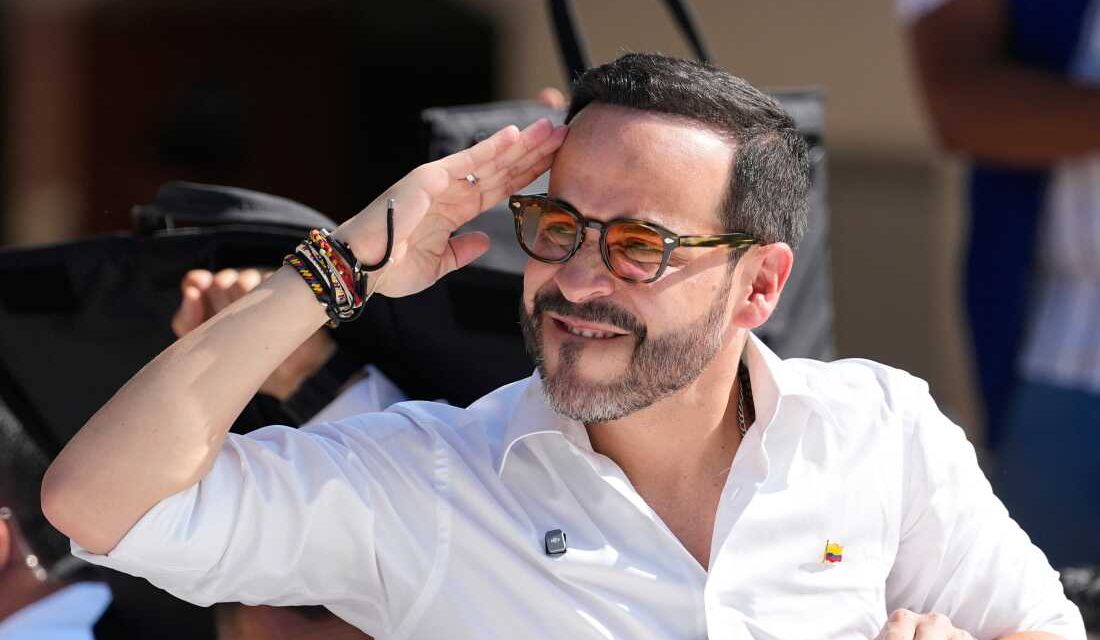
In the recent presidential election in Colombia, Abelardo de la Espriella, representing the Defenders of the Motherland movement, gained the lead. Held on May 31, 2026, in Barranquilla, Colombia, the election results indicate that de la Espriella secured 44% of the votes, setting the stage for a runoff against Iván Cepeda in June. Cepeda, a progressive senator and an ally of the outgoing President Gustavo Petro, claimed 41% of the votes with almost all ballots counted.
Allegations of Election Manipulation
Despite moving to a second round due to no candidate winning a clear majority, controversy has arisen. Cepeda and Petro expressed doubts about the election results, alleging potential vote manipulation and foreign interference. Cepeda stated a need for electoral authorities to thoroughly examine the outcomes before commenting further, but acknowledged a likely second round.
Divided Approaches to Peace and Security
Cepeda’s campaign focused on continuing Petro’s progressive policies, including efforts to negotiate peace with guerrillas and criminal groups. His commitment to achieving “total peace” was met with resistance from those seeking a tougher stance on crime. In contrast, de la Espriella, a political newcomer called “El Tigre,” pledged a strong crackdown on armed groups. His plan involves constructing mega-prisons, mirroring policies in El Salvador, which have reduced crime but raised human rights concerns.
This election highlights a significant choice for Colombian voters, torn between maintaining progressive peace efforts and embracing stringent security measures. De la Espriella’s alignment with former U.S. President Donald Trump indicates a shift towards a security-focused strategy, heightening the stakes for Latin America’s political landscape.
Impact of the Election on Colombia’s Future
The election comes a decade after Colombia signed a peace pact with the Revolutionary Armed Forces of Colombia (FARC), marking a potential turning point in the nation’s conflict-ridden history. Yet, renewed violence and armed group expansion complicate progress. While Petro’s administration has pursued advancing social policies, critics argue these negotiations enable criminal groups’ territorial gains.
Public sentiment appears mixed. Many, like Maria Eugenia, see an urgent need for decisive action against criminal organizations, despite potential human costs. Others, including sociologist Juan Acevedo, fear a return to past militaristic solutions, advocating for continued dialogue and reform.
The upcoming runoff could signal whether Colombia continues Petro’s legacy of progressive reforms or opts for de la Espriella’s hardline approach. With a history of conflict spanning 60 years, the nation remains at a pivotal crossroads regarding peace and security.
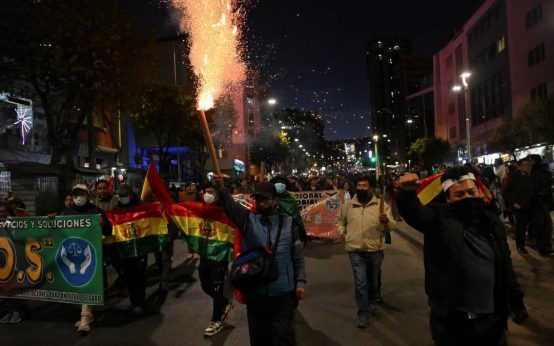 U.S. and Allies Condemn Efforts to Overthrow Bolivian Government
  Pamela Hicks: Cousin, Bridesmaid, and Witness to History
 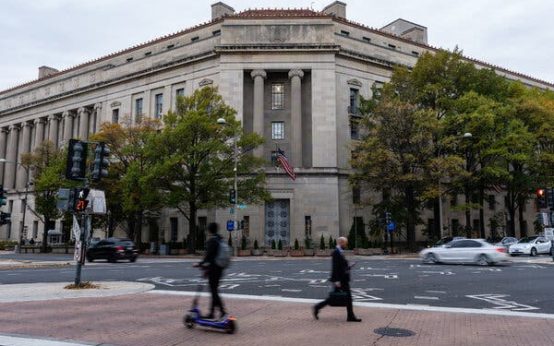 Justice Department Withdraws Plan for $1.8 Billion Fund
 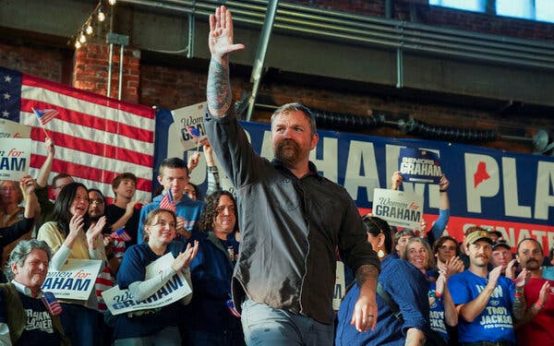 Democratic Concerns Grow Ahead of Maine Senate Primary
  Latin American Deportees in Congo: Return to Home Countries Amid Challenges
  Federal Judge Invalidates Trump-Era Immigration Policy