
The Middle East remains a focus of international concern and attention as it grapples with complex political dynamics, cultural developments, and security issues. Key nations like Iraq, Israel, Palestine, Iran, and those surrounding the Persian Gulf play significant roles in shaping regional affairs.
Political Developments and Security Concerns
In Israel, tensions are rising as the Minister of National Security, Itamar Ben-Gvir, addresses the potential dissolution of the government. This political unrest is observed during sessions in the Israeli parliament in Jerusalem.
The Israeli parliament faces discussions that could significantly impact government operations, reflecting the precarious state of Israeli politics.
Israel’s security measures and its impact on Palestinian lives are debated extensively on international platforms. Palestinian Ambassador to the UN, Riyad Mansour, engages in these discussions at high-level meetings.
These discussions include notable interactions, such as those at the United Nations General Assembly, where the plight of the Palestinians prompts urgent debates.
Cultural and Archaeological Disputes
In East Jerusalem, archaeological claims are increasingly used by Israeli settlers to evict Palestinians. Community leaders like Fakhri Abu Diab witness these challenges firsthand as families face home demolitions.
Settlers argue that historical findings justify their actions, intensifying conflicts over land and heritage. This situation highlights the role of archaeology in geopolitical disputes.
Regional Security and Conflict
The ongoing security conflicts are not limited to Israel and Palestine. In Iran, Bakhtiari nomads demonstrate their support for the government following aggressive actions against former leaders. These gatherings near Tehran underscore the complexities of intra-national loyalty and opposition.
The Barakah nuclear power plant in Abu Dhabi represents another focal point for security and energy debates in the region. This facility, still under construction, attracts diverse opinions regarding regional energy policies.
Military operations continue to affect northern Syria, where Uyghur militants claim successes against the regime forces. The situation underscores Syria’s vulnerability and the involvement of foreign fighters.
Israeli Airstrikes and Cybersecurity
In Gaza City, recent Israeli airstrikes have again brought devastation, highlighting ongoing hostilities. These actions often provoke intense international reactions and humanitarian appeals.
The Internet has also become a battleground. Iran experiences significant intentional internet blackouts, impacting communication and access to information during critical events.
United States Involvement and Diplomacy
The United States continues to have a significant influence on Middle Eastern politics. Former U.S. analysts like Jonathan Pollard, who previously faced espionage charges, are now entering Israeli politics. Such developments highlight the interconnected nature of U.S. and Middle Eastern political spheres.
Diplomatic gestures, such as President Trump’s signing proclamations, are examples of continued U.S. engagement in the region amidst fluctuating alliances and policy changes.
The strategic Strait of Hormuz remains a volatile area, with ongoing tensions often involving tanker seizures that affect international oil supplies and maritime security.
 Pamela Hicks: Cousin, Bridesmaid, and Witness to History
 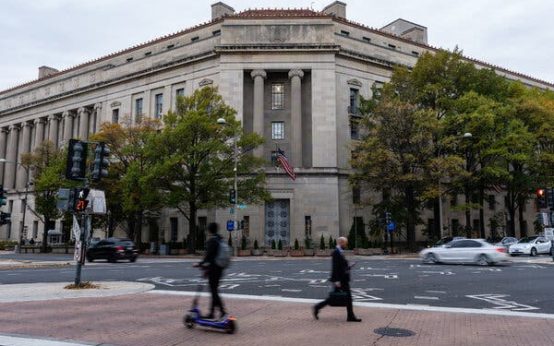 Justice Department Withdraws Plan for $1.8 Billion Fund
  Democratic Concerns Grow Ahead of Maine Senate Primary
  Latin American Deportees in Congo: Return to Home Countries Amid Challenges
 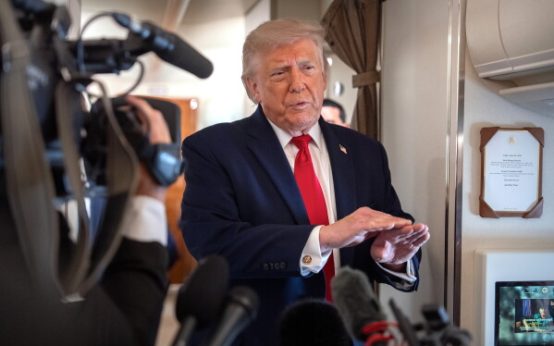 Federal Judge Invalidates Trump-Era Immigration Policy
  Debate Over White House Ballroom Construction