Rep. Debbie Wasserman Schultz is encountering opposition from Black Democrats after deciding to run in a newly redrawn district in South Florida with a Black voter plurality and a crowded primary field. This shift follows new congressional maps signed by Gov. Ron DeSantis. Wasserman Schultz decided against running in the 22nd Congressional District, her home, opting for the more Democratic-leaning 20th District, long held by a Black Democrat. This move angered Black district leaders, as it follows Republican attempts to remove longstanding Black Democratic districts after a Supreme Court decision limiting racial considerations in drawing maps. Four Black primary candidates have discussed uniting around one or two candidates to challenge Wasserman Schultz to avoid splitting the Black vote.
Wasserman Schultz, serving her 11th term and a former Democratic National Committee chair, announced her decision to prevent losing her seniority. She stressed that if Democrats regain the House, her position to chair a key committee would benefit the district. In a video, she highlighted her “seniority” and “clout,” promising to deliver results for the community.
House Minority Leader Hakeem Jeffries, who could become the first Black House Speaker if Democrats gain control, has yet to decide on an endorsement in this race. Though Wasserman Schultz said she’s grateful for the widespread support, many Black Democrats remain critical of her decision. Rep. Jasmine Crockett from Texas expressed her disapproval, emphasizing concern about attacks on the Black Caucus.
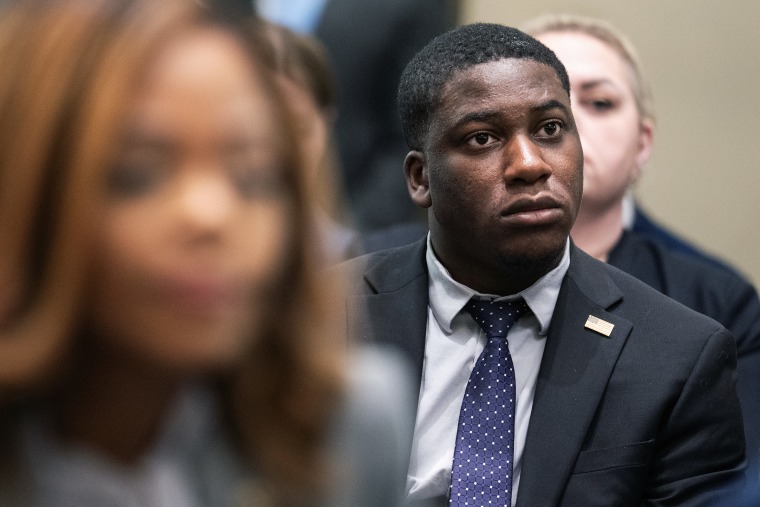
Within Florida, Black Democrats have expressed discontent with Wasserman Schultz’s decision. Elijah Manley, a teacher and activist, criticized her for threatening a Black seat. Manley, along with rapper Luther “Luke” Campbell and former Broward County Mayor Dale Holness, are primary contenders. Wasserman Schultz raised $2.5 million through March, leading financially among candidates. The district was represented by Black Democrats for almost 30 years.
The seat is vacant after Rep. Sheila Cherfilus-McCormick resigned in April following ethics violations. Despite her federal indictment, she is running again. Campbell warned against dividing the Black vote in a video. Discussions about consolidating candidates against Wasserman Schultz took place, although no decisions were finalized.
Dale Holness disclosed sharing polling data with Wasserman Schultz suggesting her potential victory in the 22nd District and expressed disappointment at her choice to pursue the 20th. He emphasized community support for consolidation to challenge her, with decisions expected soon.
Despite her campaign, Wasserman Schultz noted the Congressional Black Caucus had not opposed her run. The Caucus Chair, Yvette Clarke, confirmed Wasserman Schultz had informed her of the decision, causing “consternation.” Clarke defended Jeffries’ neutrality, noting the absence of an incumbent in the new district.
The Democratic Black Caucus of Florida criticized Wasserman Schultz, emphasizing the need to maintain Black political representation in response to aggressive redistricting that weakened minority voting strength across Florida. Preserving Black political representation, they insisted, is essential.
 Justice Department Withdraws Plan for $1.8 Billion Fund
  Democratic Concerns Grow Ahead of Maine Senate Primary
  Latin American Deportees in Congo: Return to Home Countries Amid Challenges
  Federal Judge Invalidates Trump-Era Immigration Policy
  Debate Over White House Ballroom Construction
  Scrutiny Surrounds Graham Platner Amid Maine Senate Primary