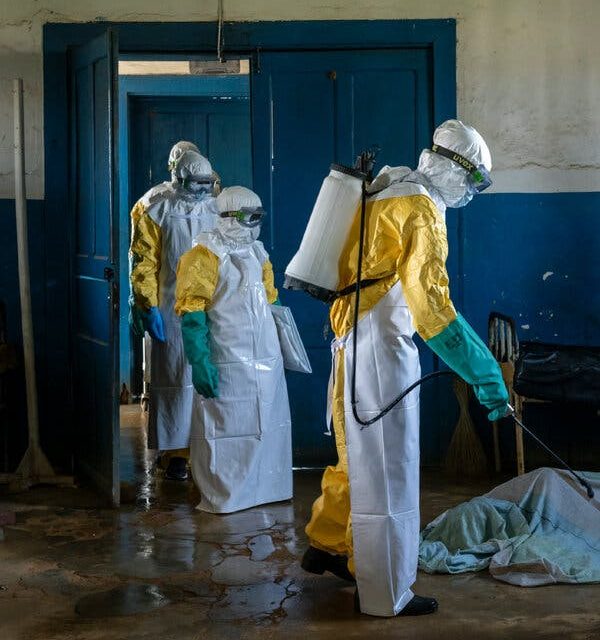
The Ebola virus has posed a significant threat worldwide for many years, but it has hit the Democratic Republic of Congo (DRC) the hardest. This country has witnessed 17 Ebola outbreaks since the 1970s when the disease was first identified, named after a river in the north. The current outbreak is particularly severe, partly due to a delayed response.
Ground Zero in Congo
Declan Walsh, the chief Africa correspondent, is currently in the DRC, specifically in Bunia, the capital of Ituri Province. From there, he has traveled to Mongbwalu, a town about 50 miles north, where this outbreak is believed to have originated.
Traveling to Mongbwalu reveals much about the region’s challenges. The roads are lined with military checkpoints due to a long history of ethnic violence. Moreover, the area is a center for gold mining, attracting thousands of migrant workers from across the Congo. Such factors make this location a breeding ground for the virus.
Challenges in Responding to the Outbreak
Health workers are under-equipped and struggle to manage multiple patients. They operate with minimal external support, highlighting the urgency and difficulty of combating the outbreak.
Efforts to contain the virus are further complicated by the region’s socio-political issues. The presence of soldiers and checkpoints indicates ongoing tension, creating additional barriers for health responses.
 Pamela Hicks: Cousin, Bridesmaid, and Witness to History
  Researchers Escorted Out of Diabetes Conference for Criticizing Trump Administration
  Latin American Deportees in Congo: Return to Home Countries Amid Challenges
 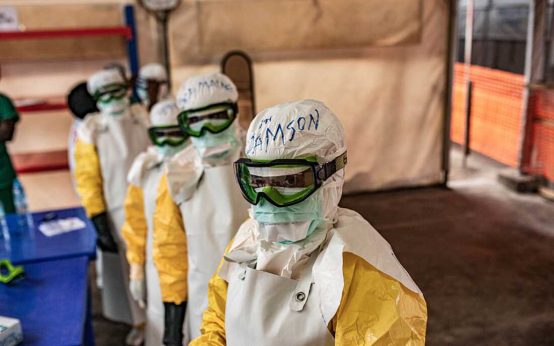 Ebola Outbreak in Africa: A Serious Concern
  Controversy Surrounds Stabbing Incident of British Student
  Royal Cottages and Controversies: Financial and Legal Revelations