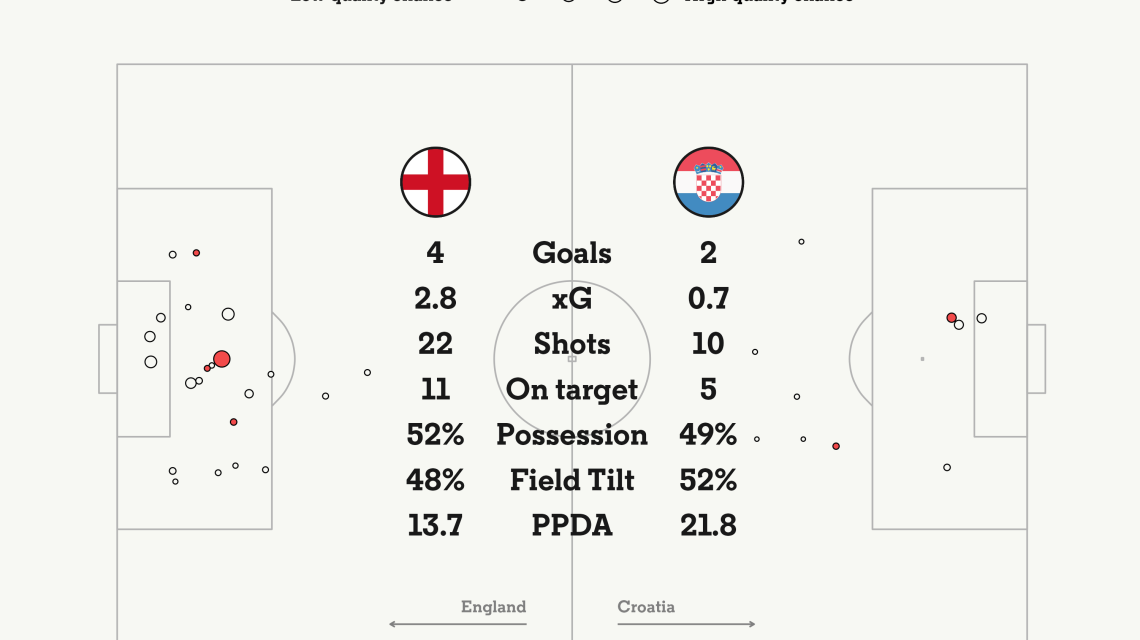
England is on the verge of reaching the World Cup knockout rounds following an intense victory over Croatia in Dallas, positioning them at the top of Group L. The match was a spectacle of goals, with Harry Kane scoring twice, including a retaken penalty and a strong header from a corner. Each time, Croatia managed to equalize. Martin Baturina netted one from the edge of the box, and Petar Musa finished a well-executed team play, leveling the score by halftime.
The second half was equally thrilling. Jude Bellingham scored by driving the ball down the right and finding the bottom corner, putting England ahead. Marcus Rashford added a fourth after coming off the bench. Kane appeared fine after a late scare involving his left calf.
According to The Athletic’s projection model, England’s chances of advancing to the round of 32 now exceed 99%. The tournament design allows the top two from each of the 12 groups and the most successful eight third-placed teams to progress. Winning the group could set up a match against a third-place team from Groups E, H, I, J, or K in Atlanta on July 1.
The Athletic’s team, including Oliver Kay, Liam Tharme, Tim Spiers, James Horncastle, and refereeing expert Graham Scott, analyzed the match highlights.
Do England Look Like Contenders?
Throughout the first week, performances have varied among World Cup favorites. Teams like Argentina, Germany, and France secured convincing wins, whereas Brazil, Spain, and Portugal experienced disappointing draws. Against this backdrop, England’s win stands as a positive kickoff.
Even though Croatia no longer holds the same strength they had during their 2018 semi-final victory over England, this was arguably the hardest match in Thomas Tuchel’s group lineup. Upcoming games against Ghana and Panama offer England a chance to settle and avoid the pressures of a poor start.
The performance resembled England’s previous World Cup entry, where they dominated Iran 6-2. While the team looked vulnerable in defense, Assistant Coach Anthony Barry acknowledged the false start. In a halftime interview, he mentioned signs of “nervous energy” and “fearful patterns” mistakes corrected as the game progressed.
Despite the imperfections, England’s proactive approach affirms their readiness compared to other slow-starting major contenders.
What Impact Did Bellingham Have?
Bellingham was pivotal moments after Barry critiqued England’s first-half display. His angled finish marked his seventh international goal and came from a direct move initiated by Elliot Anderson’s lofted ball. Bellingham placed it perfectly, setting an example of controlled aggression.
His efforts off the ball won fans over as well, notably a well-received 68th-minute tackle before the hydration break. His versatility allowed him to transition into a deeper role later in the match before being substituted. This adaptability is crucial, although competition exists within the squad, with Morgan Rogers providing an alternative profile in the No. 10 role. England prioritizes balance, which makes it unlikely Bellingham and Rogers will start together, showing depth without compromising structure.
Why Was England’s Penalty Retaken?
Luka Modric’s foul on Noni Madueke seemed straightforward. However, correct execution required more than just awarding a penalty. The allowance for Harry Kane’s penalty retake followed two primary rules: first, a defender’s interference after a save mandates a retake, second, if the goalkeeper leaves his line early and saves, a retake is required.
Josko Gvardiol’s encroachment was caught on replay when Kane missed his first attempt. Similarly, videos confirmed that Dominik Livakovic’s save resulted from being off his line, justifying the retake.
How Has Kane Altered His Penalty Style?
Both of Kane’s spot-kicks targeted the same net side, albeit with differing run-ups. His first, saved attempt involved a stuttered run-up, a method seen since his stints at Bayern Munich starting 2023 to diversify his penalty strategy.
The second successful penalty adhered to Kane’s traditional quick run-and-shot mechanism, illustrating flexibility. When scoring for Bayern, Kane adopted this method for the first penalty, reverting to his straightforward style thereafter. This duality aims to outmaneuver keepers by varying his approach.
Who is Martin Baturina?
Martin Baturina’s impact in football extends beyond Croatia’s leveler against England. Last summer, Como recognized his talent, securing him from Dinamo Zagreb for €18 million. Despite facing stiff competition, Baturina’s intelligence on the field shone through.
His rapid adaptation was instrumental in Como’s unprecedented Champions League qualification. Notably, Baturina recorded significant goals in Serie A and Coppa Italia, validating his position in the global spotlight.
Was England’s Corner Goal Inspired by the Past?
Kane’s goal from Declan Rice’s corner mirrors tactics from the 2018 World Cup. The maneuver entrenched Kane as the pivotal runner, using teammates as strategic blockers. England’s prior use of inswinging deliveries familiarized defenders with Croatian stature. Thus, an outswinging corner played to England’s advantage.
This decision omitted the conventional curvature favoring a three-player backline like Croatia’s. Rice’s specialized delivery skills evolved over Premier League seasons, and today’s goal highlighted the strategic shift.
Was this the Tournament’s Best Goal?
Croatia’s well-executed play prompted debate over a potential tournament-best goal. Mario Pasalic’s 40-yard pass set the stage, finding Ivan Perisic’s precise header. This assist connected seamlessly with Petar Musa’s controlled volley.
The harmonious sequence stunned spectators and was lauded by experts. Roy Keane praised its execution, recognizing composure and quality in Croatia’s movements.
Did England’s Risk with John Stones Pay Off?
Thomas Tuchel’s choice to pair John Stones with Ezri Konsa raised questions. Despite winning, England’s defensive unity wavered. Croatia capitalized on weaknesses, exposing vulnerabilities. Stones, often not seen in risky positions, appeared uneasy tackling Petar Sucic.
While decreased game time at Manchester City could account for the defensive gaps, this broader instability echoed across England’s backline. Moving forward, these defensive lapses require Tuchel’s attention amid imminent group-stage matches.
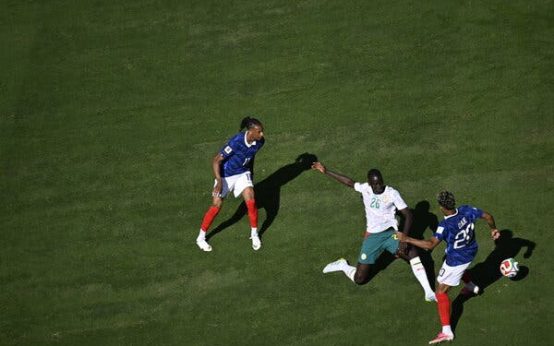 Africa Beats Africa: How Diaspora Talent Helps Define the World Cup
  TNA Wrestling Announces Departures of Key Personnel
  NYPD Prepares for Knicks’ Victory Parade Amid Security Concerns
 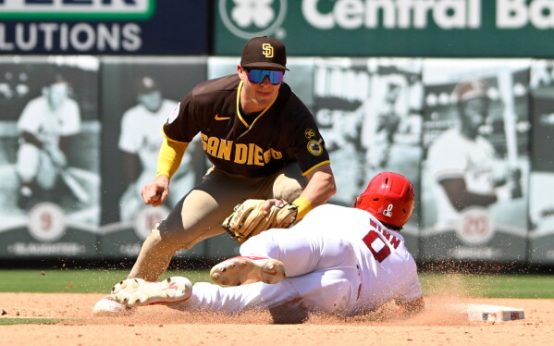 MLB’s Pride Night Efforts Face Challenges and Criticism
 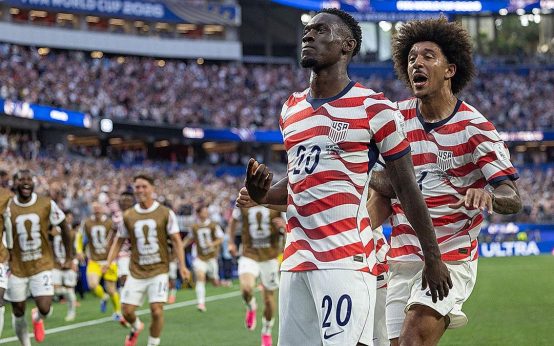 USMNT’s Winning Style in World Cup Opener Shows Pochettino’s Impact
 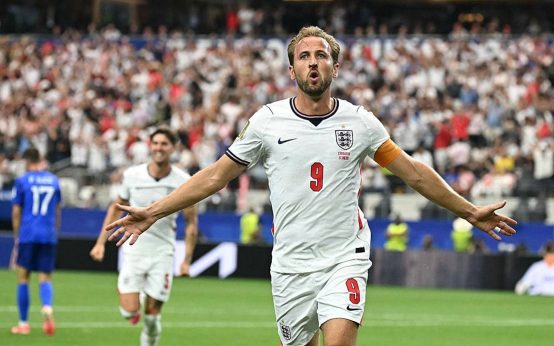 England and Croatia Battle in Exciting 2026 World Cup Match