
Explosive-laden drones targeted a city in northern Iraq where U.S. forces are stationed. Sirens sounded in Bahrain after the U.S. completed its 13th night of strikes against Iran. The conflict has reignited as the U.S. attacks Iran and Tehran targets U.S. assets and allies. The Strait of Hormuz, a critical passage for global energy supplies, sits at the center of the conflict. Iranian attacks on this corridor can disrupt the waterway, causing fuel prices to spike globally, leading to potential economic turmoil. The Iranian-aligned Houthi rebels further exacerbated tensions this week by targeting two Saudi tankers in the Red Sea, fulfilling their threat to cut off an alternative oil route in the region.
Despite the conflict’s unpopularity and significant impact on Iran and the global economy, the latest round shows no signs of peaceful resolution. Iran’s Health Ministry reported 55 deaths and over 600 injuries from recent strikes. The U.S. and Israel attacked Iran on February 28, with objectives ranging from government change to nuclear program elimination. However, control of the Strait of Hormuz seems to be the main focus. Iran appears to leverage economic damage for concessions, while the U.S. aims to minimize that impact.
U.S.-led forces intercepted and destroyed five drones over Irbil, northern Iraq, on Friday morning. Fortunately, the incident resulted in no casualties or damage. An Associated Press journalist reported hearing at least seven blasts in the city and observed smoke plumes from areas near a base hosting U.S. forces. Despite the events, normal operations continued at the city’s airport.
In recent years, the U.S. maintained around 2,500 troops in Iraq for training and operations against the Islamic State, many of whom moved to Irbil. Iran’s Revolutionary Guard has urged people in neighboring countries to avoid American troop bases and report their locations. As the U.S. targets Iran, Tehran has attacked nations hosting American troops.
Bahrain, housing the U.S. Navy’s 5th fleet, intercepted Iranian aerial attacks on Friday. Specific details on casualties or damage remain unknown. U.S. strikes targeted sites across Iran, including a Revolutionary Guard naval base in the north, Qeshm Island, Isfahan province, Khuzestan, and Fars provinces. These strikes aim to reduce Iran’s ability to threaten maritime vessels as the U.S. attempts to regain control over the Strait of Hormuz, a vital route for oil and gas supplies.
The Houthis have opened a new front; their attacks on Saudi tankers in the Red Sea elevate risks for Middle Eastern oil shipping routes. Following these events, Brent crude prices exceeded $100 a barrel but later decreased. The Houthis’ actions increased leverage for Iran, as they threatened the Bab el-Mandeb Strait, vital for Saudi shipping. The strait connects the Red Sea to the Gulf of Aden, crucial for global trade.
U.S. President Donald Trump threatened major military action against the Houthis if attacks continue. He also warned Iran about ship attacks and proposed using sanctioned Iranian funds held by the U.S. to cover war-related damages. Iran’s Foreign Minister Abbas Araghchi rejected this idea, warning of chaos if governments normalize asset confiscation.
The International Maritime Organization reports that approximately 6,000 mariners are stranded on 400 vessels near the Strait of Hormuz. U.N. human rights chief Volker Türk urged urgent action to assist these seafarers, who face significant hardships. Iran maintains its right to manage the strait and potentially charge tolls. It has attacked ships en route through the strait, a path monitored by U.S. forces.
 Netanyahu and Trump Discuss Iran and Regional Issues
  Vandalism at Medjugorje Shrine Sparks Investigation
  Strong Earthquake Shakes Kumamoto
 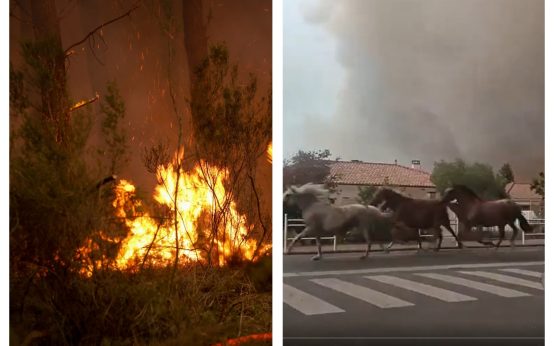 Wildfires Force Evacuation and Destruction in France and Spain
 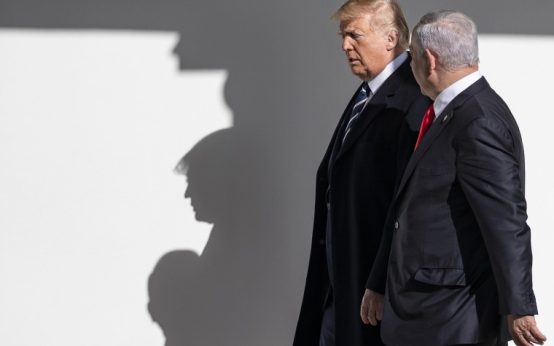 Trump and Netanyahu Meet Amid Iran War Tensions; Japan Earthquake Rocks Southern Region
 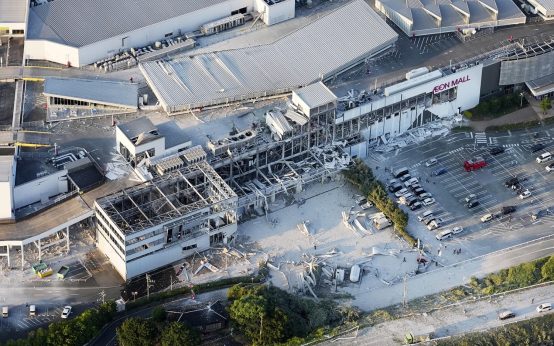 Japan Grapples with Major Earthquake