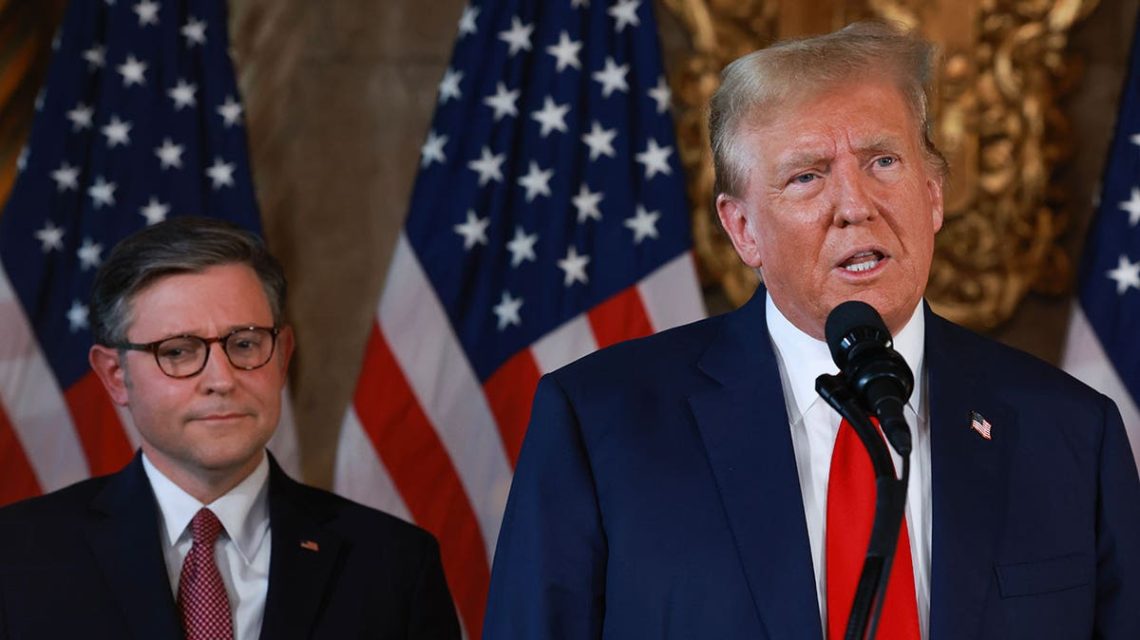
Judge Rules Against Trump’s Election Integrity Order
On Tuesday, a federal judge appointed by Obama struck down significant parts of President Donald Trump’s executive order aimed at election integrity. This decision raised concerns about the judiciary’s direction, as expressed by Stephen Miller, Deputy Chief of Staff at the White House.
Judge Denise J. Casper, of the U.S. District Court, ruled that Trump’s executive order overstepped presidential authority and violated the Constitution’s separation of powers. She concluded that it attempted to change election rules instead of enforcing existing laws.
‘The Constitution gives the President executive power for law enforcement, but not specific control over elections,’ wrote Casper. She emphasized that the President does not directly participate in appointing electors or controlling state officials.
Miller’s Reaction and Broader Criticism
Following this ruling, Miller expressed hope that Supreme Court Chief Justice John Roberts would recognize the direction taken by judges that challenge Trump administration policies. Although the Chief Justice oversees the federal judiciary, he does not have direct control over lower-court judges.
The ruling reflects broader conservative criticism that the Supreme Court should act more decisively against lower-court decisions blocking Trump policies.
Details of the Lawsuit and States’ Victory
The ruling came after more than a year of litigation, with Judge Casper supporting plaintiff states in her decision. Nineteen states challenged the order, with California Attorney General Rob Bonta leading the charge.
“We challenged Trump’s voting restrictions and succeeded. The court confirmed that regulating elections lies with the States and Congress,”
said Bonta.
This ruling permanently halts provisions requiring documentary proof of citizenship for voter registration, changing military and overseas voting requirements, and imposing funding penalties for states refusing specific election rules.
Constitutional and Legal Conflicts
Casper called parts of the executive order unconstitutional, invalid as they violate the separation of powers. She highlighted conflicts with federal laws like the National Voter Registration Act.
The lawsuit arose minutes after Trump signed the voter database order, sparking immediate legal threats from Democratic states.
Context Amid Ongoing Legislation
As Republican lawmakers push the SAVE Act, requiring proof of citizenship for voter registration, Casper’s ruling reflects ongoing legislative challenges. Although the House passed a version, its future in the Senate remains uncertain.
The SAVE Act remains a priority for Trump, urging Senate Republicans to consider eliminating the filibuster for its passage.
The judge allowed until July 10 for the parties to decide on further claims regarding conditions attached to election-related funding.
Fox News Digital reached out to the White House for comments, with Elaine Mallon covering national politics for Fox News Digital and Fox Business.
 Protesters Face Extended Sentences in Federal Courts
  Judge Blocks Trump’s Election Reform Order
  Abelardo de la Espriella Declared Next President of Colombia
  Democratic Primaries and Political Influence Gains
  Trump Administration Seeks $88 Billion for War and Other Projects
  Progressive Democrats Gain Ground in New York’s Midterm Primaries