
With only 11 days left in their spring legislative session, Illinois lawmakers are reviewing a proposal to create a state board that would assess the costs of prescription drugs. The main aim is to determine if medicine prices hinder access for those most in need. The proposed Prescription Drug Affordability Board is part of a broader Democratic effort to tackle the affordability crisis statewide and nationally. Critics, however, claim that the board would not effectively reduce prices while piling on bureaucratic layers in state governance.
The bill recently passed the House Executive Committee with an 8-4 partisan vote and now awaits consideration by the entire House. Supporters argue that the board is a tool to control skyrocketing drug costs—a topic also gaining federal attention with new Biden-era policies. State Rep. Nabeela Syed of Palatine is the primary sponsor of this legislation. She described the bill as a heavily negotiated compromise in Wednesday’s committee hearing. The bill was filed again after an earlier version failed to advance in the House.
If established, the board would consist of five members appointed by the governor. They would have the power to review prices of most prescription drugs, decide if the costs are excessively high, and set maximum payment limits, effectively capping what buyers pay. Pharmaceutical companies would be allowed to defend their pricing before a cap is placed. The board would also work to enhance drug accessibility, especially in rural and low-income areas.
A main aspect of the legislation is linking Illinois drug prices to Medicare’s new negotiating abilities under the 2022 Inflation Reduction Act. Starting this year, Medicare, covering senior citizens and those with disabilities, negotiated reduced prices for 10 costly drugs. For instance, the cost for Januvia, a diabetes medication, decreased from $527 to $113 for a 30-day supply, while Enbrel, for rheumatoid arthritis, dropped from $7,106 to $2,355, according to the Centers for Medicare & Medicaid Services.
Under Syed’s proposal, Medicare-negotiated rates would automatically set the upper payment limits for Illinois residents across all health plans. Separate opt-ins would be needed for Medicaid and some state worker health plans due to technical issues. The board would not have the authority to further lower prices on Medicare-negotiated drugs but could ensure these drugs are accessible to patients.
Anusha Thotakura, executive director of Citizen Action/Illinois, supports Syed’s bill, citing an April study from her organization. The study highlighted that Illinois pays over $190 million more than needed for the drugs affected by Medicare’s negotiation. Although contested by opponents, Thotakura believes this figure shows a significant issue.
“We’re in a tight budget year here,” Thotakura said after Wednesday’s hearing. “People are discussing cuts to crucial services. We’re searching for revenue, but we’re overpaying significantly in this area.”
The board members would be required to have expertise in healthcare, pharmacy, and clinical medicine. They cannot be employed by or consult for a drug manufacturer or their trade groups. Members would have five-year terms, with initial members having staggered terms for continuity. A 15-member council would provide assistance, with members appointed by the governor, House speaker, Senate president, and minority leaders.
Decisions by the board could face appeals and judicial reviews. The Illinois attorney general’s office has the authority to enforce the board’s regulations, but Syed stated that the Illinois General Assembly could address any legal gaps, including through the Legislative Audit Commission.
Several states have similar Prescription Drug Affordability Boards (PDABs), although their comprehensiveness differs. States like Colorado, Minnesota, and Maryland have authorized these boards since Maryland became the first in 2019. The Pharmaceutical Research and Manufacturers of America opposes the bill. PhRMA argues that existing affordability boards in other states have yet to generate significant patient savings. Peter Fotos from PhRMA stated the Medicare pricing framework was not designed for state-level application.
Deputy Republican leader Ryan Spain of Peoria also opposes the bill, expressing concerns over bureaucracy given the absence of a state agency to oversee the board. Spain stressed the need for the board to align with a supervising department. Syed countered, stating the board would function independently without a department. She estimated operational costs at $750,000.
“This board is independent and free from conflict of interest,” Syed testified. “I do not see the need for housing it in a department.”
A spokesperson for Governor JB Pritzker declined to comment on his position, only noting his office is reviewing the proposal. Separately, the legislature passed another bill focused on affordability: a measure banning hidden fees, which the Senate approved by a 46-12 vote. This bill now awaits the governor’s signature.
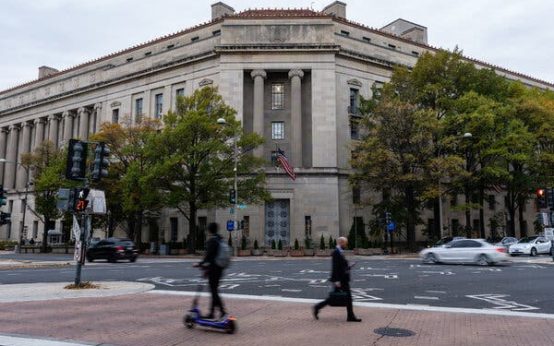 Justice Department Withdraws Plan for $1.8 Billion Fund
  Researchers Escorted Out of Diabetes Conference for Criticizing Trump Administration
  Democratic Concerns Grow Ahead of Maine Senate Primary
  Latin American Deportees in Congo: Return to Home Countries Amid Challenges
 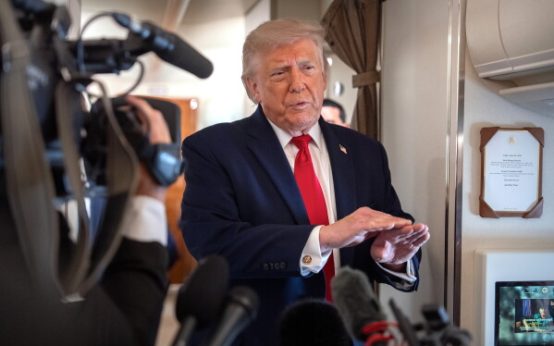 Federal Judge Invalidates Trump-Era Immigration Policy
  Debate Over White House Ballroom Construction