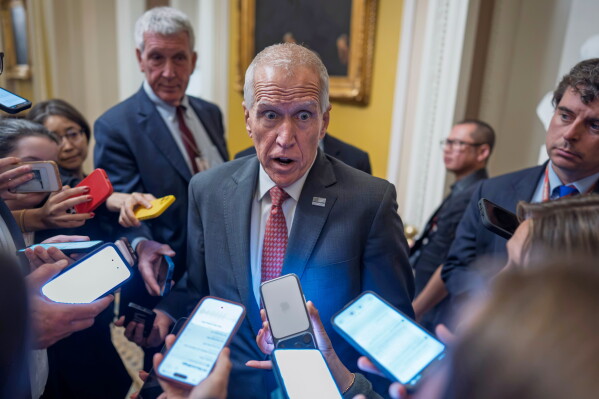
The United States, under President Donald Trump and Vice President JD Vance, claims that an interim agreement with Iran could financially benefit American farmers. This claim comes amidst Iranian skepticism and confusion among sanctions experts on how Iranian assets, frozen by U.S. sanctions, would aid American agriculture.
Details of the Agreement
The tentative deal reached last week aims to reopen the Strait of Hormuz, a critical passage for global oil and natural gas transport. It permits Iran to sell oil freely for 60 days while both nations negotiate further. Additionally, it promises to release frozen Iranian assets.
Despite the potential economic impact, the deal faces criticism for not addressing core reasons cited by President Trump for the war with Iran. These include Tehran’s nuclear ambitions, missile program, and support for groups like Hezbollah and Hamas.
Controversies and Reactions
President Trump responded to critics on Truth Social, emphasizing that U.S. farmers would see economic benefits. The plan involves the U.S. Treasury releasing Iranian assets into an escrow account controlled by the U.S. The funds would be used to buy U.S. food and medical supplies, including corn, wheat, and soybeans.
Vice President Vance and Trump argue that frozen assets outside Iran would purchase U.S. crops. Yet, Iran denies this, as stated by Foreign Ministry spokesperson Esmail Baghaei. He highlighted that purchases would be subject to market prices and quality.
Iran’s ambassador in Geneva, Ali Bahreini, refuted the notion that the U.S. and Qatar would dictate the use of unfrozen funds. A U.S. official countered, suggesting Iranian statements were for domestic audiences.
Joseph Glauber from the International Food Policy Research Institute commented that Iran is unlikely to abandon other food trade partners, including Brazil, India, and Turkey, among others.
Economic and Diplomatic Dynamics
Selling Iranian oil and petrochemicals is currently permitted in the short term by the U.S. Treasury. There is no explicit mention of escrow accounts in current directives.
Richard Goldberg of the Foundation for Defense of Democracies called for clarity on whether Iran is restricted to purchasing American agricultural products. Richard Nephew from Columbia University’s Center on Global Energy Policy pointed out the uncertainty surrounding asset release terms.
Nephew noted that the U.S. might try to restrict asset use for purchasing American farm goods, requiring transactions through U.S. banks. However, compliance by foreign banks isn’t guaranteed, and the U.S. rarely pursues such strategies as it may send a misleading message about national security motives.
Josh Boak and Michelle L. Price from the Associated Press in Washington contributed to this report.
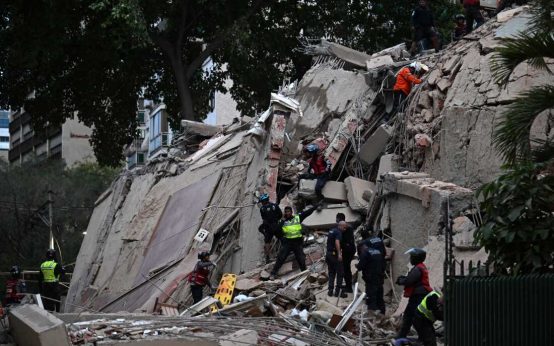 Twin Earthquakes Strike Northern Venezuela with Devastating Impact
  President Announces Conclusion of Iran Conflict Despite Skepticism
 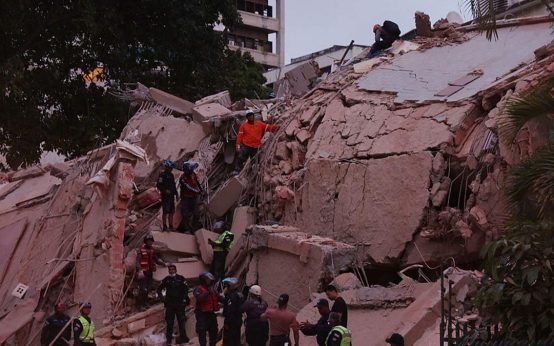 Venezuela Hit by Two Powerful Earthquakes, Causing Panic and Damage
  Switzerland Defeats Canada to Top Group B in World Cup
  Qatar’s Madibo Receives Five-Match Ban for Tackle
  Record-Breaking Heatwave Sweeps Europe