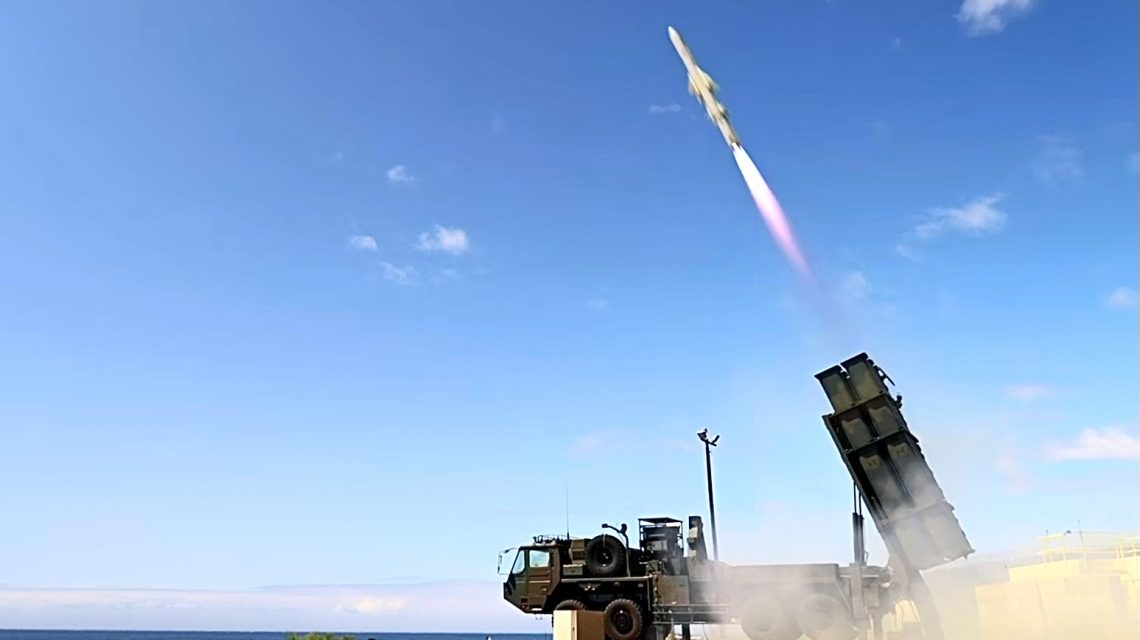
Rejection of Militarism Accusations
Japanese Defense Minister Shinjirō Koizumi has refuted claims from Beijing about Japan’s alleged ‘new militarism.’ Koizumi highlighted that Japan lacks the nuclear weapons and strategic bombers that China possesses.
Defense Transparency and Dialogue
While calling for open diplomatic dialogue, Koizumi criticized China’s increasing military presence and substantial defense spending for being non-transparent. He emphasized Tokyo’s readiness to maintain communication despite the tensions.
Strengthening Regional Partnerships
Japan is enhancing security ties with Indo-Pacific nations affected by China’s maritime activities, including facilitating significant military equipment transfers to the Philippines. This move is part of Japan’s broader regional strategy.
Contextualizing Japan’s Defense Policies
During the Shangri-La Dialogue hosted by the International Institute for Strategic Studies, Koizumi explained Japan’s defense posture. He clarified that Japan’s defense strategies do not target any specific country or region as a threat.
Koizumi criticized China’s expansion without clarity. ‘China continues to increase its defense spending at a high level without sufficient transparency,’ he said. This was a cause for concern for Japan and the international community.
Challenging the ‘Militarism’ Narrative
Koizumi responded to Major General Meng Xiangqing’s comparisons to Imperial Japan’s history, asserting Japan’s current defense stance is unjustly labeled as militarism. He highlighted the power imbalance, noting Japan’s lack of nuclear weapons.
‘There is a country with a huge arsenal of nuclear weapons and strategic bombers. Japan has neither. Yet, Japan is labeled as new militarism. Isn’t it strange?’ Koizumi remarked.
Japan adhered to the Three Non-Nuclear Principles, adopted officially as policy in 1976:
- No possession of nuclear weapons.
- No manufacturing of nuclear weapons.
- No introduction of nuclear weapons into Japanese territory.
Koizumi reinforced the commitment to diplomacy, stating the importance of maintaining dialogue on challenging issues: ‘Japan’s door is always open.’
Regional Dynamics and Partnerships
Due to the absence of Chinese Defense Chief Dong Jun at the summit, Koizumi expressed regrets over the missed bilateral meeting. Despite this, Japan continued to build relations in the region.
Koizumi met with Philippine Defense Secretary Gilberto Teodoro to discuss defense collaborations such as the transfer of retired Abukuma-class destroyers and TC-90 aircraft to boost Philippine defenses against China’s territorial claims.
Commenting on Japan’s strategy, Robert Ward from the IISS noted Japan’s success in engaging countries concerned about China’s ambitions. ‘Japan’s pushing on a bit of an open door with some countries that are also worried about China, but the U.S.-Japan security alliance remains primary,’ he stated.
 Pamela Hicks: Cousin, Bridesmaid, and Witness to History
  Justice Department Withdraws Plan for $1.8 Billion Fund
  Democratic Concerns Grow Ahead of Maine Senate Primary
  Latin American Deportees in Congo: Return to Home Countries Amid Challenges
  Federal Judge Invalidates Trump-Era Immigration Policy
  Debate Over White House Ballroom Construction