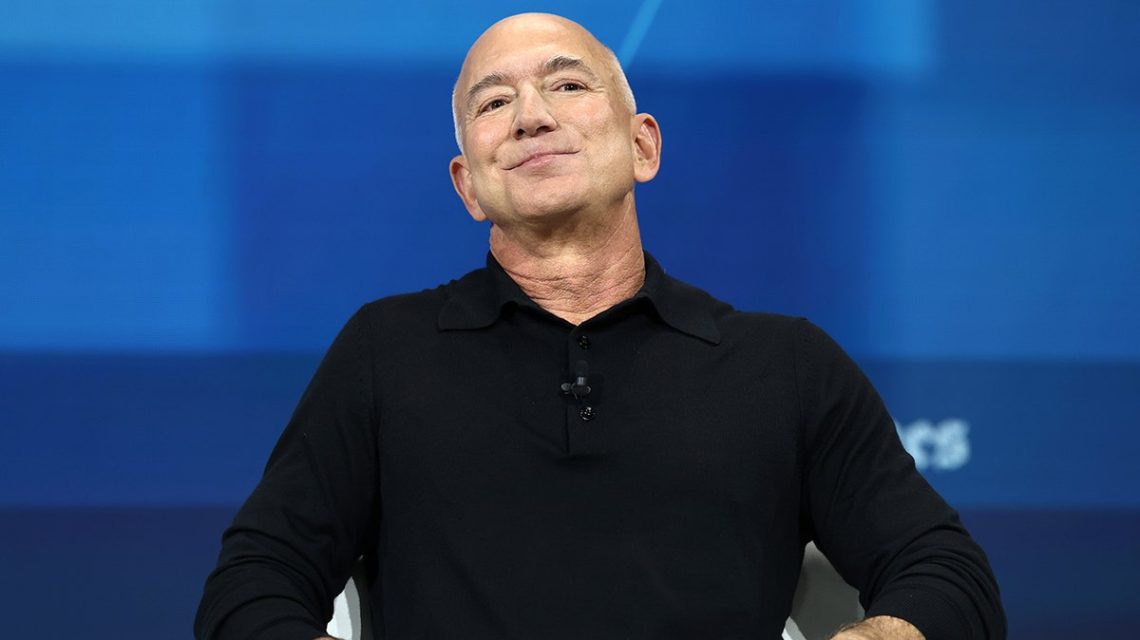
In the early days of Amazon, when it was just an online bookstore, Jeff Bezos was open to speaking with journalists. His visionary approach earned him the title of Time’s Person of the Year in 1999, highlighting his remarkable success in the burgeoning world of online retail.
Fast forward to more recent years, and Bezos, one of the world’s wealthiest individuals, acquired the Washington Post from the Graham family for $250 million. Now, as the landscape of journalism has drastically shifted, some argue that it’s time for Bezos to part ways with the newspaper.
The New York Times Magazine once described Bezos as a “political genius” and a “brilliant, charming, hyper, and misleadingly goofy mastermind.”
During Bezos’s tenure at the Post, his initial proclamation that the newspaper’s duty was “to the readers, not the owners” seems to have faded. His efforts to mend relationships with political figures like former President Donald Trump have been met with criticism. For instance, Amazon’s $1 million donation to Trump’s inauguration raised eyebrows.
As someone who spent nearly three decades at the Post, I witnessed its golden days when it was a journalistic powerhouse. The newspaper had a star-studded team across various sections such as politics, sports, and metro coverage, with a Style section renowned for its narrative writers.
This was the paper that played a pivotal role in exposing Watergate, showcasing its dedication to investigative journalism. Despite some missteps, like the Janet Cooke scandal, the Washington Post resonated as a beacon of truth and journalistic integrity.
However, recent cuts, including the firing of 300 staff members, have left the Post a shadow of its former self. Notable journalists like Lizzie Johnson and Marty Weil were among those laid off, prompting public outcries and allegations of negligence on Bezos’s part.
Many observe that Bezos seems more invested in his space endeavor, Blue Origin, than in the newspaper. The changes during his ownership went beyond layoffs. Bezos’s decision to kill an editorial endorsing Kamala Harris, for example, sparked controversy and led to over 250,000 canceled subscriptions.
The challenges faced by the Post mirror struggles across the newspaper industry as digital platforms transform the media landscape. Many traditional newspapers, including the Pittsburgh Post-Gazette, are closing their doors.
Critics argue that the Post has not adapted well to the digital age, leading to a decline in quality and readership. Bezos has faced backlash for wanting to reshape the editorial voice of the paper, focusing on personal liberties and free markets, and limiting contrary opinions.
While Bezos’s personal life, which includes high-profile social connections and public controversies, is under constant scrutiny, some question whether he still sees value in owning the Post. The recent events, including CEO Will Lewis attending glamorous events amid significant layoffs, add another layer of discontent.
In conclusion, some suggest that it might be time for Jeff Bezos to sell the Washington Post to someone motivated to rejuvenate it. Despite the immense challenges, there could still be hope for restoring the paper to its former glory.
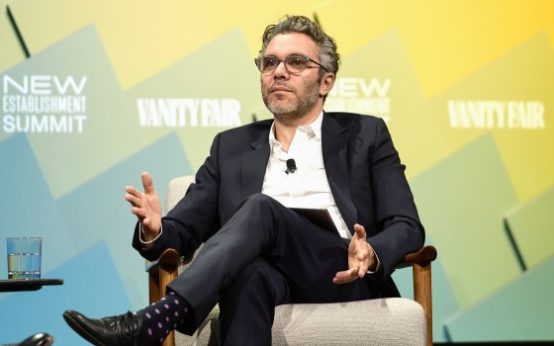 Debate Surrounds Nick Bilton’s Qualifications to Lead ’60 Minutes’
  YouTuber Shares Difficult Decision After Trisomy 21 Diagnosis
 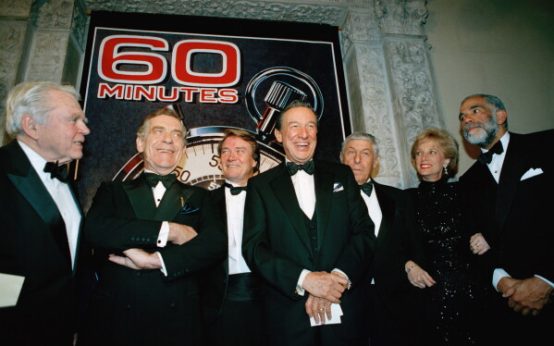 Scott Pelley’s Bold Confrontation with CBS Management
 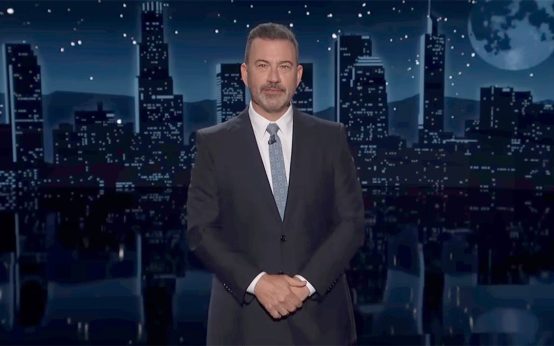 Jimmy Kimmel Criticizes CBS Over Scott Pelley’s Dismissal
  Changes at ’60 Minutes’: A New Era or the End?
  Scott Pelley Disputes CBS Account of Firing as Tensions Mount at ‘60 Minutes’