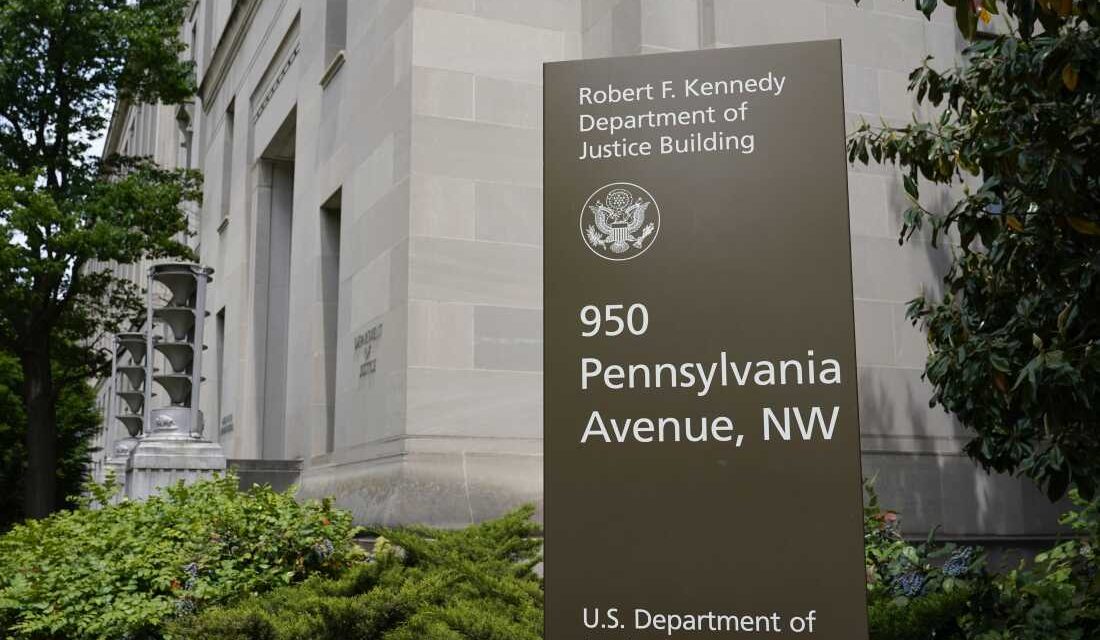
The Justice Department released a memo this week questioning civil rights protections for Americans with disabilities. This memo has caused concern among advocates and families due to its implications for in-home and community-based care. According to the Office of Legal Counsel, states might not be obligated to offer these services to disabled individuals who require support.
These services enable many Americans with disabilities to maintain their lives in familiar settings, allowing them to live, learn, and work amidst family and friends. Alison Barkoff, a professor at George Washington University and a former leader in disability policy, highlighted the significance of the memo. She stated, “The United States’ government position indicates that people with disabilities do not possess the right to be part of their communities.” She emphasized the impact of this shift.
Without federal requirements for states to provide these services, states with budget constraints may cut them, potentially returning older practices of segregating disabled individuals in institutions. Advocacy groups, such as the American Association of People with Disabilities, expressed their alarm. They warned that this interpretation could lead to disabled people being warehoused out of sight in institutions.
The Justice Department memo casts doubt on established legal interpretations. Section 504 of the Rehabilitation Act and Title II of the Americans with Disabilities Act have been viewed as mandates for states to offer services in integrated settings. Institutionalization should be a last resort. The Supreme Court case, Olmstead v. L.C., reinforced these protections by ruling that states must provide community services. By 2023, 8.4 million Americans were receiving home- and community-based services through Medicaid.
Lanora Pettit of the Office of Legal Counsel authored the memo. It argues against the concept of an “integration mandate” for states, stating that federal law does not enforce this. The memo also questions the adequacy of justifications for institutionalization.
For decades, the U.S. government has supported the integration mandate. Both Democratic and Republican administrations enforced these laws, challenging states that relied excessively on institutional care. Jennifer Mathis from the Bazelon Center for Mental Health Law warns about the personal liberties at stake. She noted that institutionalization impacts everyday personal choices and freedoms.
This memo marks a significant policy change. The timing coincides with Texas v. Kennedy, a case challenging state requirements for community integration services. With this memo, the federal government aligns with the plaintiffs. However, legal experts emphasize that the memo isn’t law itself and cannot alter existing laws made by Congress.
The memo’s emergence relates to President Trump’s broader agenda starting in 2025, including efforts to manage homelessness through institutionalization. The administration linked issues like vagrancy and disorderly behavior to mental health or drug addiction, proposing involuntary institutionalization as a solution. A footnote in the memo even suggests these laws have contributed to chronic homelessness.
Disability advocates argue that Olmstead has supported homeless individuals with services and housing rather than contributing to homelessness. Challenges like a shortage of beds in specialized institutions hinder increases in institutionalization. As Medicaid funding faces cuts, largely influenced by recent legislation, states might follow the memo’s guidance to reduce community-based services and resort to institutional care.
Additionally, disability groups voice concerns over the administration’s move of special education programs from the Department of Education to the Department of Health and Human Services. This could weaken enforcement of civil rights protections.