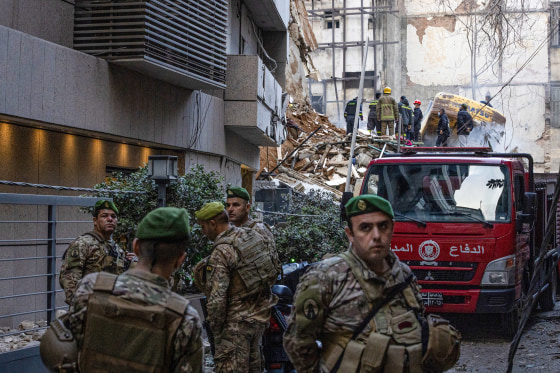
In the 1970s and ’80s, journalist Kim Ghattas described Lebanon as both blessed and cursed by its weak state. This characterization remains relevant as Lebanon navigates its current challenges. Recent conflicts underscore the nation’s vulnerability.
Following the onset of the U.S.-Israeli war on Iran in February 2026 and the demise of Iranian Supreme Leader Ayatollah Ali Khamenei, Hezbollah fired rockets into Israel. This action ignited a new front in the ongoing conflict.
The repercussions have been severe for Lebanon. Its already precarious political and economic situation has worsened. Fragile institutions and security concerns exacerbate the crisis.
However, there is a glimmer of hope. U.S.-brokered negotiations between Israel and Lebanon in April 2026 mark the first such talks in decades. These discussions could pave the way for peace.
The country’s future hangs in the balance as it confronts these complex challenges. Observers remain watchful, acknowledging both the potential risks and opportunities that lie ahead.
 Latin American Deportees in Congo: Return to Home Countries Amid Challenges
  Controversy Surrounds Stabbing Incident of British Student
  Royal Cottages and Controversies: Financial and Legal Revelations
 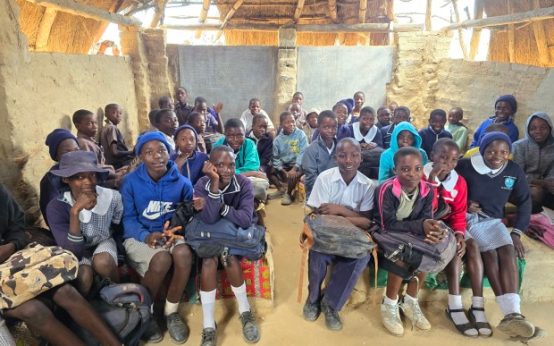 Oak Lawn Librarian Supports Library Projects in Zimbabwe
  World Cup Anticipation: US Men’s National Team and Norway’s Viking-Themed Campaign
  Family Searches for Missing Auburn Student in Japan After Disagreement Over AI