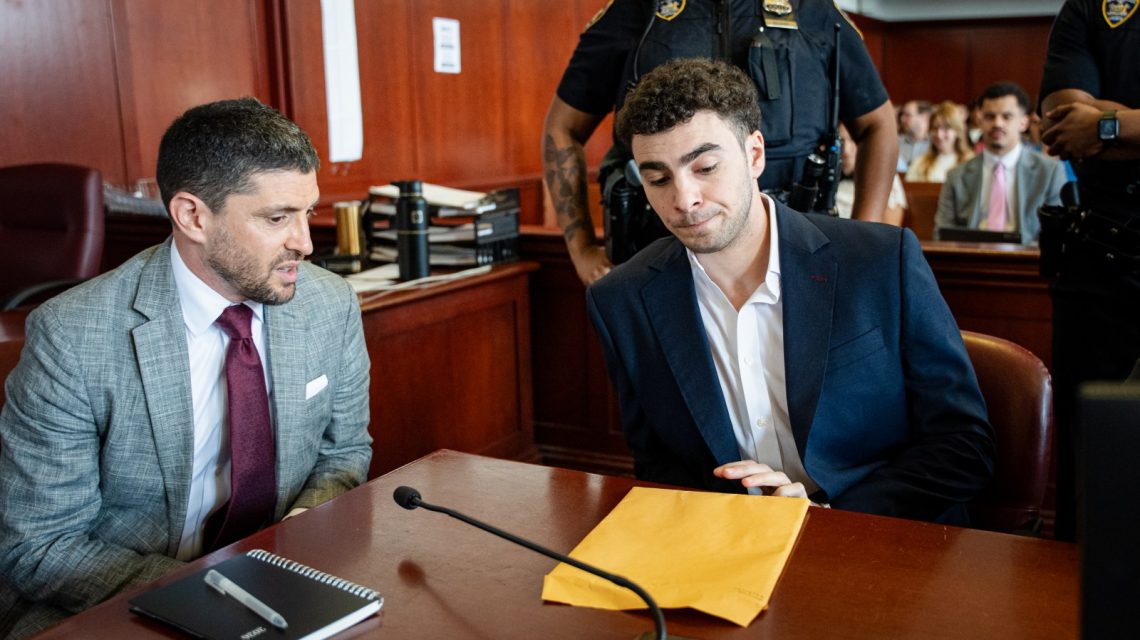
Luigi Mangione will pursue a psychiatric defense during his state murder trial for the killing of UnitedHealthcare CEO Brian Thompson. A judge ruled on Wednesday that this tactic may change the legal dynamics in one of New York’s most anticipated cases.
Judge’s Ruling on Defense Strategy
Judge Gregory Carro announced that Mangione’s attorneys plan to argue he was experiencing an “extreme emotional disturbance” at the time of the incident. If effective, this defense could lead to confinement in a psychiatric facility rather than a traditional prison sentence.
The Role of Psychiatric Defense
Under New York State law, the “extreme emotional disturbance” defense allows a jury to reduce a murder charge from second-degree to first-degree manslaughter. This strategy does not dispute the act but claims a severe emotional crisis led to a loss of self-control. Successfully proving this could prevent a mandatory life sentence, offering the possibility of psychiatric treatment instead.
Pretrial Hearing Details
A pretrial hearing held two weeks ago, requested by the defense, has now been unsealed. This hearing was initially confidential to allow Mangione’s legal team to decide on pursuing a psychiatric defense. Judge Carro’s decision to unseal these records reveals the defense strategy for the first time.
Mangione’s attorney, Karen Friedman Agnifilo, expressed concerns over the unsealing, citing potential risks to his defense in a related federal case. She argued that the public disclosure might prejudice the federal proceedings, where a psychiatric defense is not applicable. The federal trial, addressing separate charges like stalking, is set to start on October 13.
Details of the Case
Mangione, aged 28, maintains his innocence in both cases. Prosecutors claim he shot Thompson, aged 50, on December 4, 2024, as the CEO approached a Manhattan hotel. The shooting coincided with UnitedHealth Group’s annual investor conference. Surveillance footage captured a masked shooter, and bullets found at the scene bore inscriptions critical of the insurance industry.
Mangione was apprehended at a McDonald’s in Altoona, Pennsylvania, five days after the shooting. Authorities state a 3D-printed handgun found with him matches the weapon used in the crime. A notebook seized contained notes expressing aggression toward the health insurance sector and plans to attack an executive.
Evidentiary Decisions
Earlier court decisions have shaped the evidence for the trial. Judge Carro allowed the admission of both the firearm and the notebook during the trial, strengthening the prosecution’s position. However, a charge concerning a gun magazine was dismissed as it was obtained through an improper search.
As both state and federal trials approach, the ruling on Wednesday highlights the complex legal proceedings to follow. Defense lawyers seek to spotlight Mangione’s mental condition, while prosecutors aim to present direct forensic and documentary evidence linking him to the crime.
This is a breaking news article, and further updates will be provided as they become available.