Investors in precious metals are currently navigating an eventful market, marked by significant recent surges in both silver and gold prices. Silver, in particular, has caught the attention of market participants after surpassing the $100-per-ounce threshold in late January. Although the price has since stabilized, many investors are seizing the opportunity to buy during the dip, recognizing potential gains.
Gold, too, followed a similar upward trend, crossing the $5,000 per ounce mark before experiencing a slight retreat. While prices may fluctuate, both precious metals maintain values noticeably higher than the previous year, with silver maintaining roughly three times its price from early 2025. This volatility is attributed to a convergence of factors including economic uncertainties, currency concerns, geopolitical tensions, and speculative buying, all contributing to both the rallies and subsequent corrections.
Silver’s unique characteristics make it both an industrial commodity and a safe-haven asset, resulting in particular pricing dynamics distinct from gold.
Factors Influencing Silver Bar Prices
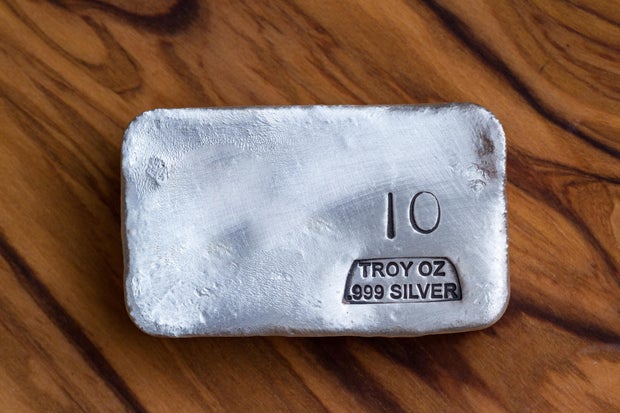
For those looking to invest, especially in larger silver bars, understanding the current pricing environment is crucial. The spot price as of February 4, 2026, is $91.72 per ounce for silver, which suggests a 10-ounce bar would cost approximately $917.20. However, this calculation only represents the base value of the silver. When buying physical silver from dealers, several additional costs apply.
Dealer premiums range from 10% to 30% above the spot price, though premiums on 10-ounce bars are typically less drastic. This premium accounts for manufacturing costs, refinery expenses, and certification processes involved in producing the silver bars. Notably, reputable mints charge higher premiums due to their commitment to quality and their standing in the resale market.
The current demand in the market can also raise premiums. During times of economic uncertainty, premiums increase as dealers aim to keep up with heightened market activity. The origin of purchase matters; local coin shops might charge more than online sellers, but they eliminate shipping and insurance fees.
Payment methods further impact final costs. Dealers often add a 3% to 4% extra charge for credit card usage. Alternatively, using bank wire, check, or cryptocurrency could potentially lower the overall expense. Volume discounts are typically available for bulk purchases, reducing the per-ounce cost.
Why 10-Ounce Silver Bars are a Wise Investment
Silver’s irreplaceable role in various industries gives it a significant advantage as an investment, particularly in today’s economic climate. With applications ranging from solar panels to electronics and medical devices, industrial demand for silver remains strong, creating a reliable support level even during low investment demand periods.
The choice of 10-ounce silver bars strikes a balance for investors. It allows for lower premiums per ounce compared to smaller denominations while still retaining liquidity, unlike larger bars which can be harder to sell due to fewer potential buyers.
Additionally, silver provides a strategic diversification opportunity, especially as markets face volatility and inflationary pressures. Unlike traditional securities, precious metals like silver generally have a negatively correlated movement, adding protective value to portfolios. Moreover, silver’s inherent volatility can lead to significant upsides, rewarding investors with suitable risk tolerance.
Conclusion
Even at current price points, the combined benefits of industrial demand, diversification, and a practical entry cost make 10-ounce silver bars a viable option for those considering physical precious metals investments. However, the spot price of silver isn’t the only determinant of 10-ounce silver bar costs.
To invest wisely, ensure you research thoroughly, choose trusted dealers with clear pricing strategies, evaluate multiple offers, and carefully select a payment method to avoid unnecessary expenses.