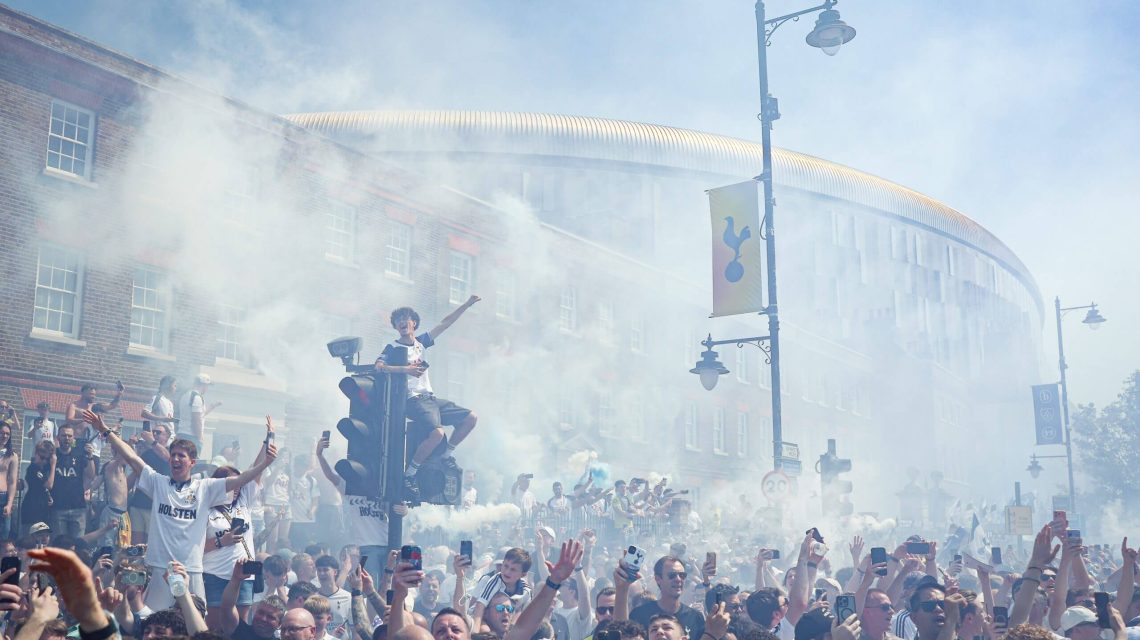
The scene at the Tottenham Hotspur Stadium on Sunday was reminiscent of a year prior. Although there wasn’t an open-top bus parade, by 2 pm, thousands of Spurs fans were out in force. They climbed lampposts and bus stops, releasing blue and white smoke. Children sat on their fathers’ shoulders, eager to welcome the team with enthusiasm. No trophy was lifted at the end, but Spurs fans remained in the stands, cheering and singing post-whistle.
Manager, staff, and players were visibly moved by both their achievement and the affection from the crowd. Few moments since the stadium’s opening in 2019 have matched this positivity and unity. The joyous audience reserved their loudest cheers for manager Roberto De Zerbi, who appeared overwhelmed by the South Stand’s sea of support. He has become the inspiring face of the club, playing an indispensable role as plans for next season are forged.
De Zerbi rescued Tottenham from relegation’s brink. Securing 11 points from their last six games amid confidence and injury struggles marked a significant managerial victory. His personality, ideas, and unyielding optimism brought the club back together. For the first time this year, Tottenham can look forward with hope. On Sunday night, De Zerbi declared this triumph the pinnacle of his career.
The relief felt at the stadium could fuel its floodlights for next season. A significant existential crisis has been avoided. For months, Tottenham’s stakeholders woke in the night, worrying about relegation. The financial impacts, potential player sales, and a humiliating fall to the second tier loomed large. De Zerbi’s message about the club’s “dignity” risk being at stake, underscored the potential shame of such a decline.
In recent years, Tottenham’s football achievements have been notable. Winning the Europa League last year and placing fifth in the Premier League previously are just part of their storied history. With Harry Kane on their roster until 2023 and finishing fourth in 2021-22, they’ve successively notched impressive accolades. A UEFA report published in February ranks Tottenham with the fifth-highest revenue in England and ninth in Europe. Relegation would have marred the reputations of all associated with the club.
This fear has passed; Tottenham still retains its Premier League spot. The defining features of a Spurs season—north London derbies, chances for European competitions, and presence on Match of the Day—remain. Yet, it’s undeniable that this was still a disastrous season. Tottenham faced relegation concerns in May, relying on West Ham United’s poor outcomes to stay afloat. Losing 17 league games again has embarrassed the club due to its resources and traditions. Playing in a state-of-the-art stadium, charging premium prices, yet winning only three home league games paints a bleak picture.
This season unfolded as years of mismanagement and drift caught up with Spurs. It marked a time when the club’s operations were unsettled, needing urgent repair. Every part of the club, from ownership to boardroom, experienced friction. Leadership under De Zerbi’s predecessor only came in March, exposing vulnerabilities that threatened the club’s fabric.
Initially, the season promised change. Despite winning the Europa League last season, the summer focused on regeneration. A reset aimed to avoid May’s 17th-place finish. Ange Postecoglou exited, replaced by Brentford’s Thomas Frank. Frank’s pragmatic and flexible coaching was perceived as a remedy.
Selecting a safety-first head coach sought to enhance defensive prowess, mirroring Brentford’s effectiveness. However, parting from Postecoglou’s forward-thinking style estranged players and staff. This unsatisfactory alignment characterized Daniel Levy’s last managerial choice.
Frank’s tenure saw few wins out of 26 Premier League matches. The off-field restructuring was equally significant. The Lewis family, aware of underperformance, commissioned Gibb River management consultants for evaluation in 2025. This evaluation ushered in Vinai Venkatesham as CEO to inject transparency, optimism, and positivity.
Early stages seemed unified. Levy and Venkatesham publicly showed cooperation, speaking on culture and communication. Yet, shifting Spurs’ culture posed challenges. Unlike Brentford’s cohesive environment, Spurs had personalities that challenged discipline. Frank faced hurdles earning player adherence to his standards.
Compounding the challenge was a lackluster squad. With Kane and Son Heung-min’s departures, Spurs were bereft of star players. Years of under-investment left Tottenham’s wage expenditure at an unsustainably low 45 percent of revenue. Despite increased spending on player fees, returns lagged. Crucial players like Dejan Kulusevski and James Maddison faced prolonged injuries.
Spurs’ attempts to strengthen the squad faltered. Levy’s efforts to secure players like Eberechi Eze, Antoine Semenyo, and Morgan Gibbs-White were unsuccessful. This resulted in acquisitions further down their list, including Mohammed Kudus and Xavi Simons, and securing Joao Palhinha on a loan. The failure to land Eze, who joined rivals Arsenal, drew fan ire towards Levy.
By early September’s transfer window closure, last-minute efforts brought Randal Kolo Muani on loan. Days later, a shift occurred. On September 4, Levy was removed after over two decades steering Tottenham, a decision that reshaped the club.
Levy had commanded Tottenham’s strategy, identity, and culture through his influential role. Dismissing him opened pathways to modernize and revamp governance structures. Centralization waned, giving rise to empowerment. The hope was that Spurs could recover from financial and on-pitch struggles once seen as inevitable under Levy.
Venkatesham undertook the task of reconfiguring Spurs post-Levy. CEO responsibilities expanded under non-executive chairman Peter Charrington, who arrived in March. With additions like aviation executive Eric Hinson, the board anticipated a new governance era.
Yet, concerns arose that decision-making had become fragmented. Team dynamics brought challenges. Frank was appreciated for his courteous approach but misaligned tactics. Initial promise faded as home losses underscored deficiencies.
Frank’s strategies lacked creativity and cohesion. As matches with Bournemouth, Wolves, Aston Villa, Chelsea, and Fulham concluded poorly, fan discontent grew. Players critiqued the coach’s restrictive approach, and disciplinary issues persisted.
Club turmoil peaked with dissent among fans, fans against players, and tensions targeting Frank. Clashes exemplified the disconnect from Spurs’ ideal. Venkatesham and Lange faced pressure but hesitated to replace Frank quickly. Conor Gallagher’s signing from Atletico Madrid marked a key acquisition but highlighted ongoing gaps.
Frank’s coaching tenure ended after loss to Newcastle. With Roberto De Zerbi available, Paratici’s earlier recommendation came to fruition. Absent suitable alternatives, interim Igor Tudor temporarily took the helm but faced challenges. Performance remained lackluster, injuries continued, and the team stalled.
Venkatesham emphasized unity and confidence in March letters to staff. Supportive gestures like office whiteboards eliciting messages to players reflected management’s mixed approach.
Ultimately, De Zerbi’s arrival marked a turning point. His leadership provided a clear mission and player support. Seemingly small draws became pivotal, with major victories over Wolves and Aston Villa showcasing unity and belief. De Zerbi revitalized Tottenham, ensuring that lessons learned this season prevent recurrence.
 NBA Finals Game 2: Knicks vs. Spurs Updates
  NBA Finals Game 2: Knicks vs. Spurs Ongoing Battle
  Chicago Cubs Struggle Despite Brief Optimism After Rally
 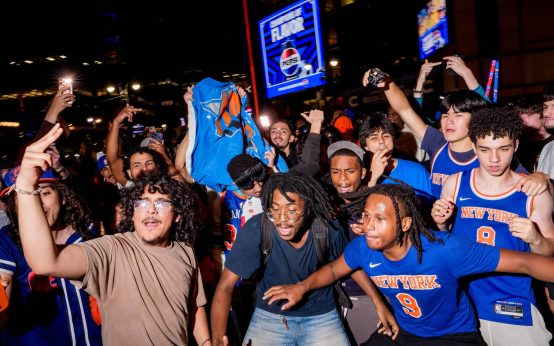 Knicks Fans Rally Across the Nation for NBA Finals Glory
 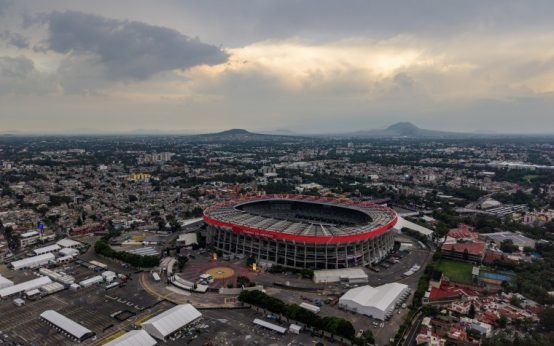 FIFA World Cup 2026: Enhanced Security Measures for Drone Activity
 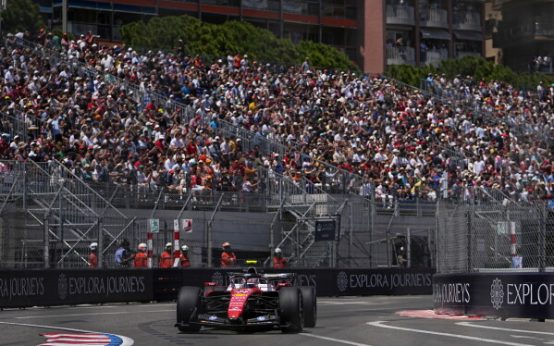 Samantha Busch Expresses Gratitude Following Kyle Busch’s Passing