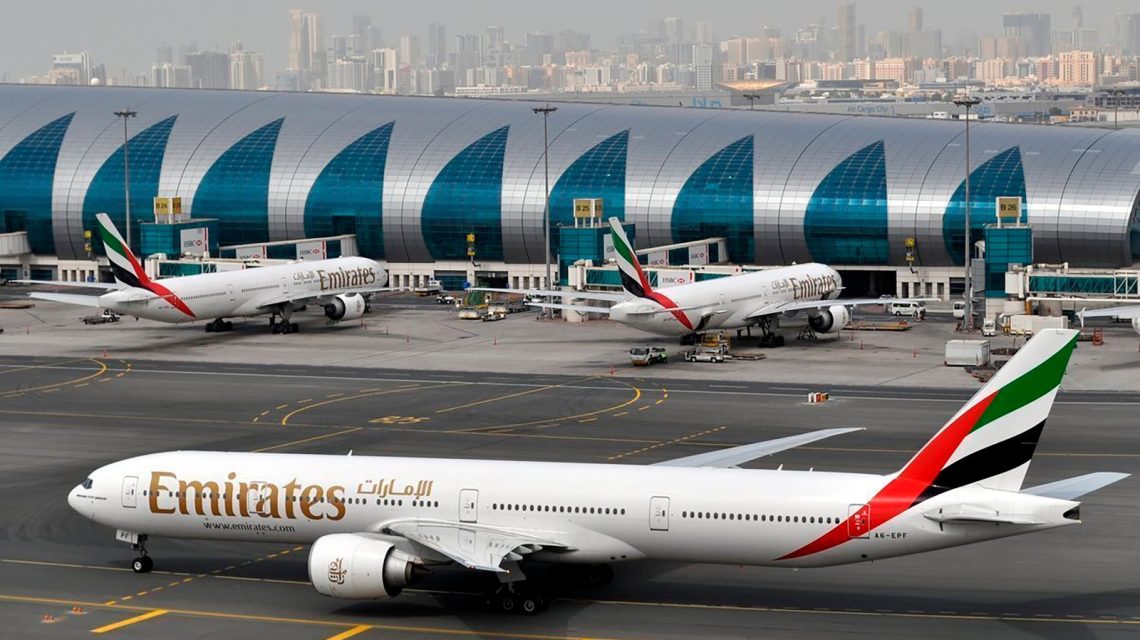
Commercial aviation in the Middle East is gradually resuming after disruptions caused by the Iran conflict. Although cancellations are less frequent, confusion persists due to inconsistent schedules, remaining waivers, and changing policies. A U.S.-brokered ceasefire signed this week is pivotal in reopening critical Gulf airspace corridors, enabling airlines to restart suspended routes in the essential global transit artery of the region.
The initial halting of operations, which began in late February, led to extensive airspace closures, severing connections among Europe, Asia, Africa, and North America. Industry insights from Wego reveal that the grounding of innumerable flights and isolation of major hubs like Dubai and Doha is the most significant disruption to global aviation since COVID-19. Communications with major airlines like Delta, American Airlines, Emirates, Etihad Airways, Qatar Airways, and Turkish Airlines have been sought for further insights.
Patchwork Recovery: Regional Route Resumptions
Airlines are gradually rebuilding networks, yet the pace is uneven. Some carriers have fully active routes, while others experience grounding, lengthy delays, or severe rebooking restrictions. Reports from aviation outlet Deep Arrival identify three-tier restoration efforts:
- Mainline Carrier Adjustments: Turkish Airlines has resumed services to regional hubs including Dubai, Damascus, Beirut, and Amman. Plans are in place to increase frequencies to Dubai and resume services to Abu Dhabi soon.
- Gulf Carriers: Emirates, Etihad Airways, and Qatar Airways are expanding operations with key airspace corridors reopening. Hubs in Dubai, Abu Dhabi, and Doha are reclaiming much of their pre-conflict networks.
- Western & European Carriers: These operators are cautious. Many European airlines are either extending suspensions or operating reduced frequencies, avoiding certain regional paths.
Reasons Behind Flight Cancellations
Cancellations resulted from U.S. and Israeli targeting of military sites in Iran in late February, leading to the death of key government figures including Ayatollah Ali Khamenei. Iran retaliated with missile and drone strikes targeting Israel and Gulf states hosting U.S. forces, prompting airspace closures across multiple countries such as Iran, Iraq, Israel, Kuwait, Bahrain, and parts of Jordan. These closures led to suspended routes, canceled flights, and costly rerouting for airlines. Major hubs either shut down or operated minimally, causing thousands of flight cancellations and travel waivers to be issued.
Continuing Restrictions and Instability
While airspace in the region is reopening, recovery remains uneven, with some areas still unstable or partially operational:
- Iran: Partial reopening under ceasefire, but travel advisories caution against travel.
- Iraq: Airspace open but prone to sudden closures.
- Jordan: Partial airspace operations with nightly closures.
- Kuwait: Not fully operational due to damaged infrastructure, some terminals closed.
- Syria: Limited international service despite open airspace.
Broader Caution Zones: Countries like Iran and Iraq have airspace technically open, but safety advisories persist due to previous missile and drone threats. Airlines cautiously avoid specific paths or reduce frequencies amidst risk alerts without formal closures.
Areas Fully or Largely Reopened
Several major hubs have resumed near-normal operations:
- United Arab Emirates: Dubai and Abu Dhabi are fully operational.
- Saudi Arabia, Qatar, Bahrain, Oman: Mostly open but subject to operational adjustments, as noted by Wego.
However, even these zones face schedule volatility, with ongoing risks of last-minute changes.
 Tragic Fire in Dominican Republic Resort Leaves One Dead, Several Injured
  United Airlines Launches New Fort Lauderdale to Los Angeles Route
  Assessing Travel Risks for Parents with Infants
  American Airlines Resumes Service to Haiti
  Kennywood Amusement Park Strengthens Chaperone Policy Amid Rising Concerns
  Exploring Southern California’s Unique Attractions and Events