
Starship Technologies is redeploying over 1,200 delivery robots from U.S. university campuses to grocery chains and hot food deliveries in the U.S. and Europe. Previously, these robots were a familiar sight on college campuses, delivering lattes and snacks to students. They are now set for a more challenging environment in urban settings.
Campus Robots: A New Chapter
The shift marks the end of Starship’s operations on college campuses. It signifies a pivot towards grocery deliveries, fueled by significant market demand. In cities like Chicago, robots will now share sidewalks with busy pedestrians, raising questions about accessibility and design considerations.
Grocery Delivery vs. Campus Delivery
Transitioning from campuses, robots will now face new challenges such as heavier loads and more frequent deliveries. Starship is focusing on improving efficiency, aiming to cut delivery costs compared to traditional methods. The company claims its robots can deliver groceries at a cost $3-$4 lower per delivery than conventional couriers, appealing to retailers looking to reduce operational expenses.
City Challenges for Delivery Robots
In cities, robots will navigate crowded walkways. Issues already noted include robots blocking paths and raising safety concerns. Starship will need to address these if it hopes to gain public acceptance, ensuring robots coexist with city residents without causing interruptions.
Starship’s Estonian Roots
Founded in Tallinn, Estonia, in 2014, Starship remains focused on innovation with its core engineering and AI development based there. This transition is not only logistical but also strategic as Starship aims for a leadership role in autonomous delivery systems.
The Future of Delivery Robots
Starship’s success in grocery delivery could shape the future of urban deliveries. The $650 billion global food market is ripe for more autonomous solutions. Starship’s record of completing over 10 million deliveries gives it a competitive edge but acceptance remains crucial. Public acceptance in terms of sidewalk navigation and privacy issues surrounding sensors and camera data will be key.
Impact on Consumers
The public may see more delivery robots in their communities, requiring cities to establish rules for personal delivery devices. People should observe robot behaviors in public spaces, documenting any issues for city regulators. Additionally, privacy rights concerning the data collected by these robots must be transparent.
 Regulators Braced for Decision on EA Acquisition Amid Industry Concerns
  Kansas Teacher Vows to Continue Speaking Out After Arrest at Public Hearing
  Israeli Defense Technology Proposed for U.S. Missile Shield
 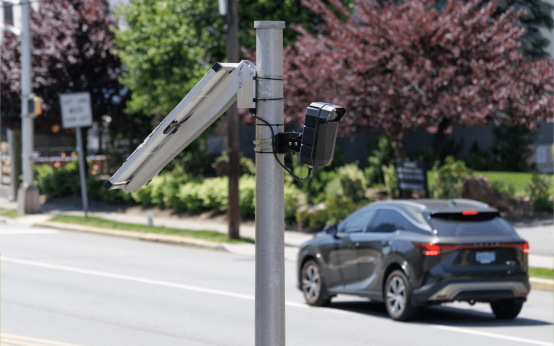 Communities Push Back Against Automated License Plate Reader Cameras
  Understanding AI Tokens and Their Impact on Financial Markets
 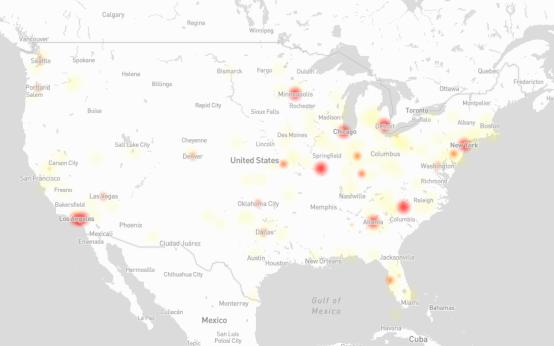 Nationwide Network Issues Affect T-Mobile and Verizon Users