
President Trump announced via a Truth Social post on June 11 that the United States plans to seize Kharg Island and other important Iranian oil facilities. This move reflects the ongoing conflict between the U.S. and Iran, which began jointly with Israel on February 28. However, in an interview with Fox News, Trump expressed uncertainty about American appetite for such a mission.
On March 13, U.S. military strikes were reported to have significantly damaged military targets on Kharg Island, heightening its global significance. Situated 20 miles from Iran’s Gulf coast, Kharg Island is pivotal for Iranian oil exports. Trump hinted at using the island as leverage in negotiations with Iran over the Strait of Hormuz and Persian Gulf tensions.
Kharg Island’s Strategic Value
Kharg Island, less than 20 miles off Iran’s northern Gulf coast, has served as a major oil export terminal. Historically, it managed 85-95% of Iran’s crude exports. Tankers fill up here before navigating the Persian Gulf and the Strait of Hormuz. Damaging Kharg’s facilities could immediately cripple Iran’s oil exports. Since oil sales, particularly to China, are crucial to Iran’s economy, any strikes could push global oil prices up further, which have already risen 30% since the war began.
Impact on Iran’s Energy System
Iran’s actions have restricted traffic through the Strait of Hormuz, yet U.S. attacks on Kharg Island demonstrate an attempt to undermine Iran’s finances. Aaron MacLean, a national security analyst, mentioned on “CBS Saturday Morning” that Trump possesses leverage if Iran persists in threatening the shipping lanes crucial for global oil supplies.
Approximately 20% of global oil used to pass through the Strait before the conflict. According to MacLean, President Trump connected Kharg Island’s vulnerability to the Iranian blockade of the Strait of Hormuz.
Historical Context of Kharg Island
Kharg Island has faced conflict before. During the Iran-Iraq War in the 1980s, Iraqi forces bombarded the island, aiming to cut off Iran’s oil revenue. Despite severe damages, Iran repaired the facilities and continued exports. Tehran has since fortified Kharg with air defenses, reinforced infrastructure, and underground storages that ensure oil flow despite attacks.
While Iran cannot compete militarily with the U.S. or Israel, it has invested years in preparing for asymmetric warfare. A significant threat to Kharg could provoke Iran to retaliate on multiple fronts, including attacks on U.S. bases in the Gulf and strikes on vessels in the Strait of Hormuz using various military tactics. Additionally, Iran’s Houthi allies in Yemen have threatened to disrupt shipping in the Bab el-Mandeb Strait. On June 1, an Iranian outlet associated with the Revolutionary Guard hinted at Houthi plans to attack commercial ships, citing the “activation of other fronts” including the Bab el-Mandeb Strait.
 USA Celebrates Historic World Cup Win Over Paraguay
 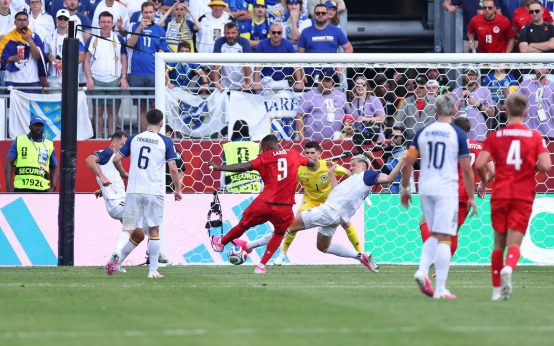 US National Team Shines in World Cup Opener Amid FIFA Ticket Pricing Row
  Gad Saad Shares His Surreal Meeting with Elon Musk
  NATO Considers Defense Alternatives Amid U.S. Military Reduction
 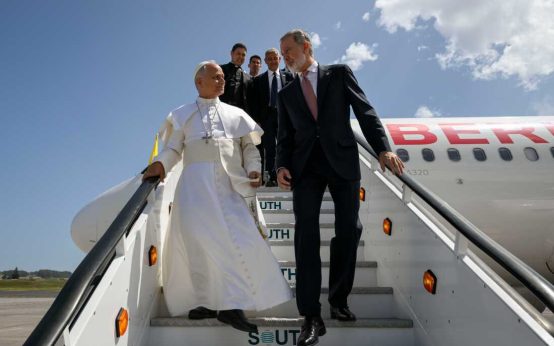 Pope Leo XIV’s Unexpected Departure: King Felipe VI Lends a Hand
  Land Mines Continue to Devastate Families in Myanmar