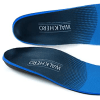
Being on your feet all day, whether for work or running, can take a toll on your comfort. A simple solution to improve comfort and support is using insoles in your running or walking shoes. Insoles are inserts placed at the bottom of your shoes to enhance cushioning, provide arch support, and improve fit. Choosing the wrong insoles might lead to discomfort, so it’s crucial to select the right pair.
Selecting the Right Insoles
Over-the-counter insoles often have a neutral arch, suitable for most foot types. They are available in a range of sizes and can be trimmed for a perfect fit. Many feature gel pads in the heel cup and forefoot to absorb shocks, and they’re lightweight, so they won’t burden your shoes.
Some insoles cater specifically to conditions like plantar fasciitis, featuring a deep heel cup and a rigid bottom for support. Such insoles are made for both athletic activities and everyday use.
Insoles are available for both men and women, with sizes varying for optimal fit without needing trimming. They often incorporate massaging gel technology and a deep heel cup for stability. Many are covered in moisture-wicking fibers to keep feet dry and come in different arch support options: low, medium, and high.
Expert Recommendations
Dr. Bruce Pinker and Dr. Mohammad Rimawi, both board-certified podiatrists, offer insights into what to look for in an insole. Key elements include a sculpted heel cup, adequate cushioning with foam or gel, and semi-rigid support. Arch support insoles are recommended for those with flat feet.
Benefits of Insoles
Insoles provide essential support, especially for flat feet or high arches, as these conditions can lead to uneven weight distribution and potential injuries. Insoles help redistribute weight more stably, offering cushioning and support to offload pressure points and improve foot biomechanics.
For those with plantar fasciitis, insoles can alleviate inflammation by providing necessary support. Regular use can enhance comfort and minimize foot pain.
Identifying the Need for Insoles
Anyone can benefit from insoles for added support, comfort, and shock absorption. Individuals with flat feet, heel pain, or pain in the ball of the foot may find insoles particularly beneficial. Over-the-counter insoles fit best in sneakers, while custom insoles can be tailored for dress shoes and boots.
Types of Insoles
Insoles are typically made from plastic or foam and placed inside your shoes. Over-the-counter insoles provide generic support and cushioning. Custom insoles, or orthotics, are tailored to individual foot shapes and offer personalized support. They can reduce pain and provide targeted cushioning and shock absorption.
About the Experts
The insights provided are from experts Dr. Mohammad Rimawi and Dr. Bruce Pinker, board-certified podiatrists with extensive experience in foot health. Recommendations and advice are made independently and without financial conflicts of interest.
Follow NBC Select for more coverage on tech, wellness tools, and additional expert advice.
 Popeyes Collaborates with The Surf Lodge for a Unique Food Experience
  Researchers Escorted Out of Diabetes Conference for Criticizing Trump Administration
  Ebola Outbreak in Africa: A Serious Concern
  The Collaboration of Polly Wales and Castro Smith in Jewelry
  Best Breathable Work Boots for Hot Weather
  Celebrate America’s 250th Birthday with Commemorative Products