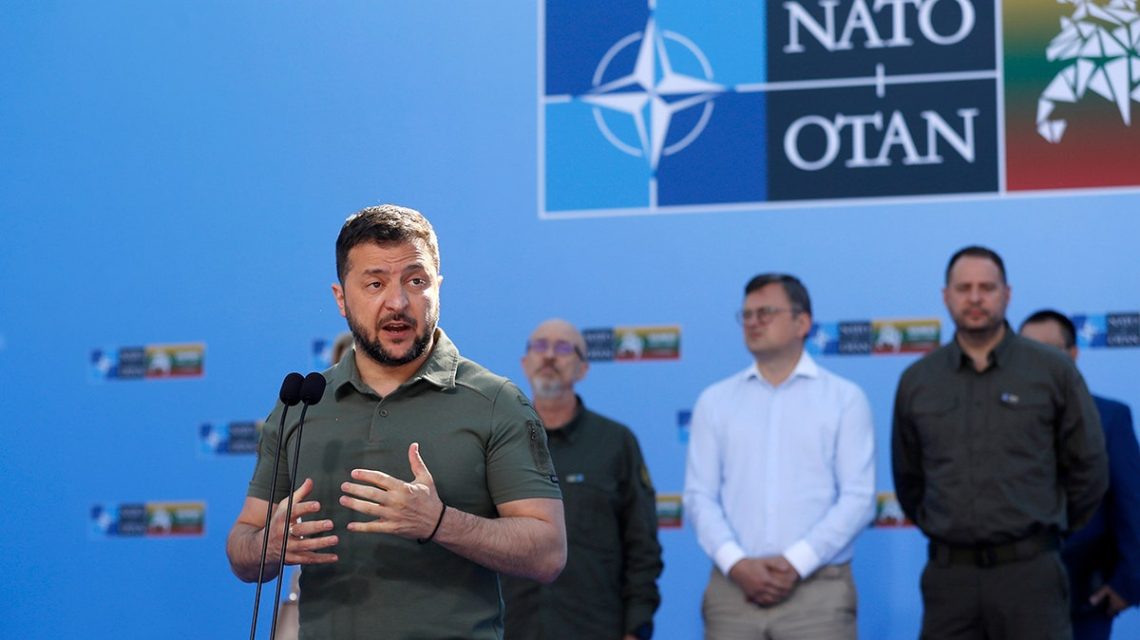
NATO’s eastern members are rethinking the alliance’s future in light of Russia’s ongoing invasion of Ukraine. Various facets such as drone warfare, cyber defense, and civilian resilience are being reshaped due to Ukraine’s battle-hardened military.
Ukraine’s significance to NATO’s future is underscored by the invitation of President Volodymyr Zelenskyy to attend the summit in Ankara. Though not a member, Ukraine is central to NATO’s strategic considerations.
The Mayor of Lviv, Andriy Sadovyi, stated that Ukraine’s army is now a leading force in Europe, essential for NATO’s future needs. The debate on the alliance’s future intensified with Secretary of State Marco Rubio emphasizing the importance of munitions production and NATO’s industrial modernization, inspired by Ukraine’s swift wartime innovation.
Polish Foreign Minister Radosław Sikorski welcomed former President Trump’s assurance of maintaining U.S. troop levels in Poland, asserting it discomfited Russian President Vladimir Putin. The irony lies in Putin’s pre-invasion grievances over NATO’s expansion now resulting in its accelerated growth, expanding both its geographical footprint and overall strength.
Former NATO commander Gen. Philip Breedlove highlighted Ukraine’s transformative impact on global military understanding. Despite surrendering its Soviet-era nuclear arsenal under the Budapest Memorandum, Ukraine has emerged as a formidable military force, recapturing land from Russia.
The war has fueled Ukraine’s innovation ecosystem, repurposing its IT sector towards defense production. NATO and European militaries are increasingly keen to learn from Ukraine’s approach to modern warfare.
Breedlove noted the diminished role of traditional air power, replaced by escalating drone usage due to failings within the Russian Air Force. NATO strategy is evolving, with Polish officials advocating for “NATO 3.0,” focusing more on European self-defense as the U.S. shifts attention toward China and the Indo-Pacific.
Poland is ramping up its defense spending, positioning itself as a key NATO member. Deputy Foreign Minister Marcin Bosacki emphasized the eastern flank’s enhanced strength and foresight concerning Russia’s tactics.
Despite Ukraine’s non-membership, Eastern European officials argue its importance to NATO’s future. The alliance has avoided any commitments to formal membership for Ukraine amid concerns of provoking direct conflict with Russia.
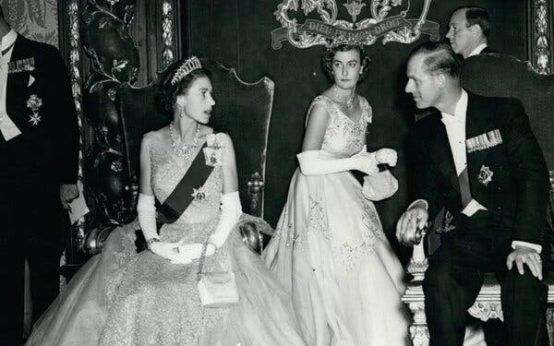 Pamela Hicks: Cousin, Bridesmaid, and Witness to History
  Latin American Deportees in Congo: Return to Home Countries Amid Challenges
  Controversy Surrounds Stabbing Incident of British Student
  Royal Cottages and Controversies: Financial and Legal Revelations
  Oak Lawn Librarian Supports Library Projects in Zimbabwe
 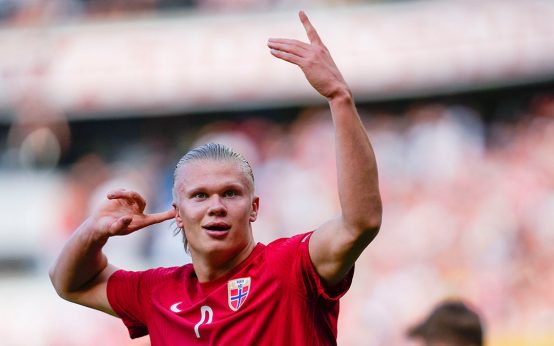 World Cup Anticipation: US Men’s National Team and Norway’s Viking-Themed Campaign