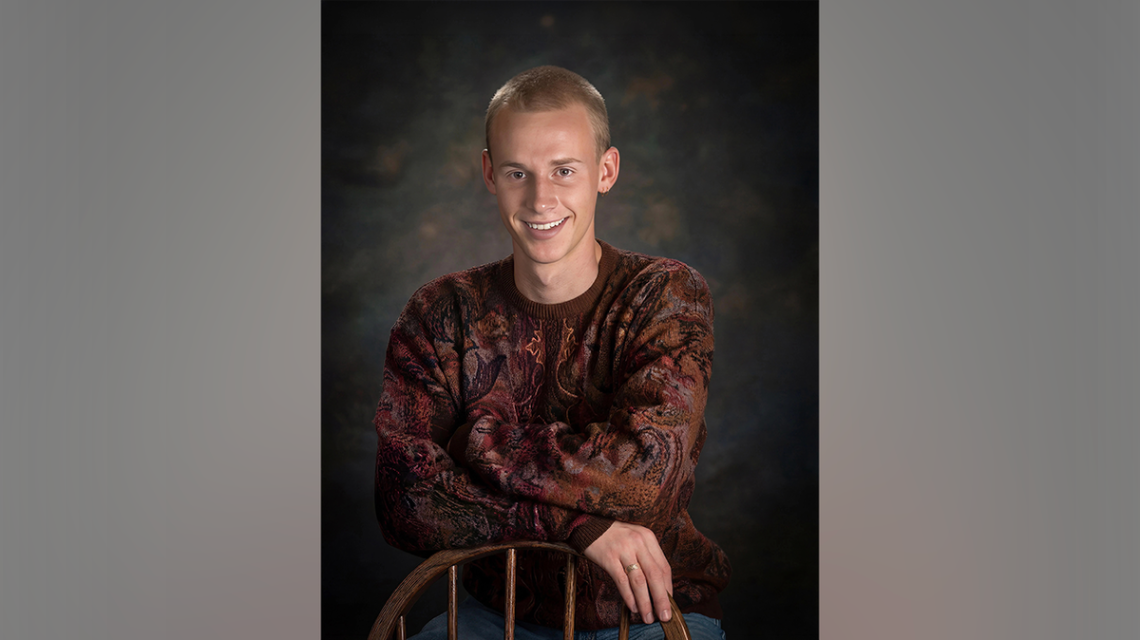
In January 2001, Andrew Wieman, a 20-year-old junior at the University of California, Davis, was found dead in his fraternity dorm room. His body bore 29 stab wounds, and authorities ruled it as a suicide. A new true-crime podcast aims to revisit this controversial case.
Wieman, a member of the Kappa Sigma fraternity, was discovered in his locked room on January 4, 2001. The investigation, which involved the UC Davis Police, Yolo County Coroner’s Office, and the California Department of Justice, concluded after 13 months that Wieman had taken his own life.
Several key pieces of evidence supported this conclusion. These included a handwritten note found in Wieman’s room, the knife used in the incident having Wieman’s fingerprints, and no signs of a forced entry or struggle.
Officials pointed to the locked windows, accounted-for keys, and absence of defensive wounds on Wieman’s body. Additionally, evidence suggested another person’s presence in the room.
However, Wieman’s family has continuously sought answers, doubting the thoroughness of the investigation. Now, Emmy Award-winning producer Kyle Olson examines the case in the second season of the podcast Love & Justice, premiering May 26.
Olson’s team found crucial aspects unexplored during their review of the original investigative files. Olson expressed curiosity about the determination of suicide, given the significant details, such as the 29 stab wounds, Wieman’s clean toxicology report, and the locked-room situation.
Olson revealed new details, noting Wieman was allegedly found tucked into bed and wearing earplugs. These facets were not part of public discussion during the initial investigation.
The podcast delves into a roughly 60-hour gap between Wieman’s last known sighting and the discovery of his body. Olson questions what occurred during this period and whether any unshared information from witnesses could still exist.
The series does not aim to provide a definitive conclusion. Instead, it uses recent forensic technology and professional analysis to reevaluate the circumstances of Wieman’s death.
Olson emphasized the importance of listening to diverse perspectives, noting that advancements in science could better explain Wieman’s case. Additionally, he remarked on the potential for new insights over time, as individuals might become more willing to share previously withheld information.
Olson’s previous podcast season covered the murder of his childhood friend, Ashley Love, lending him firsthand experience in dealing with unresolved cases affecting families over time.
For the Wieman family, Olson seeks to uncover the truth, motivated by the pursuit of justice. Anyone experiencing suicidal thoughts is encouraged to contact the Suicide & Crisis Lifeline at 988 or 1-800-273-TALK (8255).